Market context for this story
Loading quotes…
Informational only — not investment advice. Full markets →
Barry, OppHub America Desk · · Source: hn-frontpage
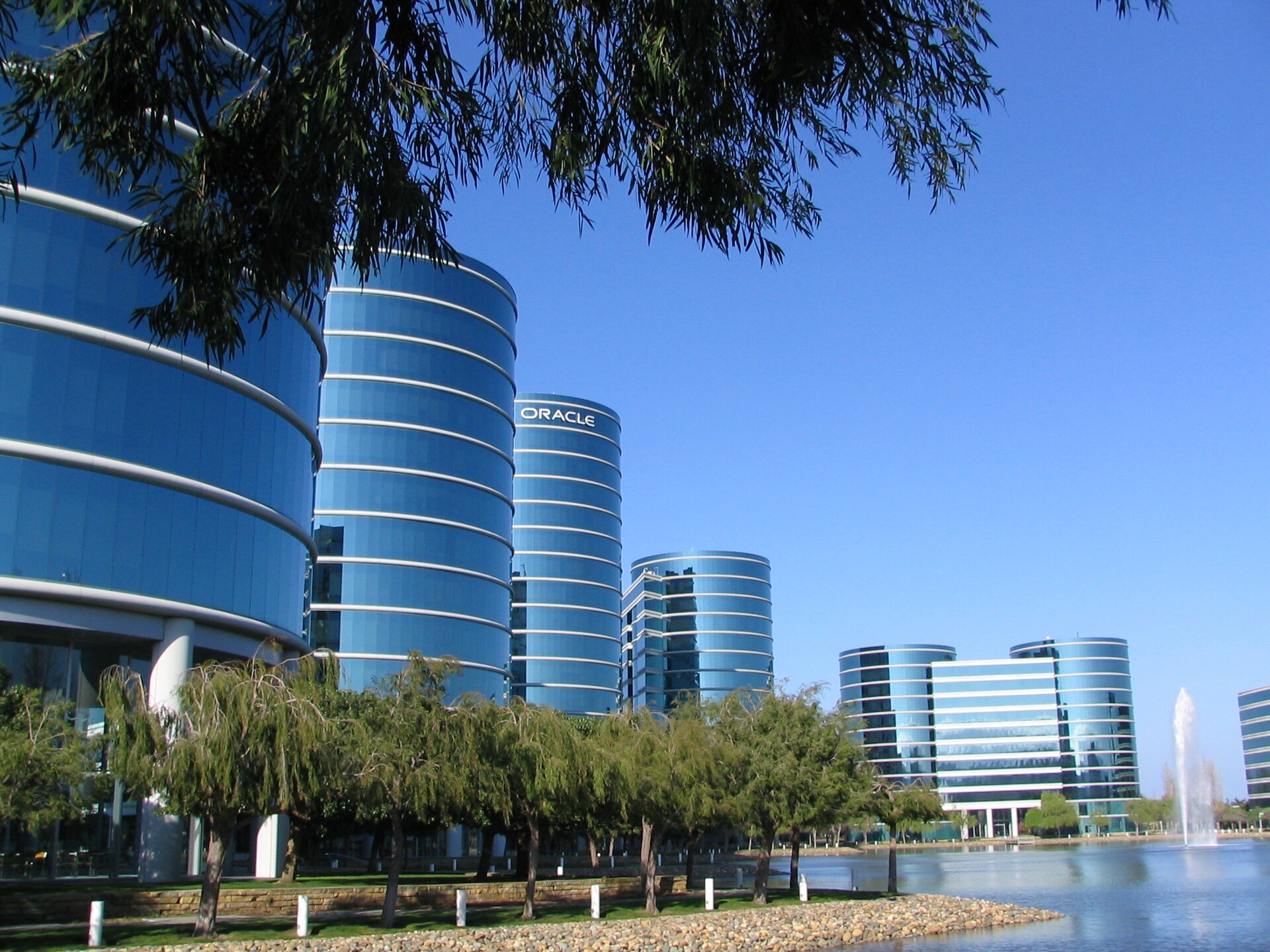
AI Bubble Warning: Oracle $ORCL, Data Center Debt Risk for U.S. Investors
💡 Monitor capital expenditure guidance from hyperscalers like Microsoft ($MSFT), as their investments could reflect true enterprise demand or unsustainable growth. Evaluate the balance sheets of companies heavily invested in data center infrastructure, such as Oracle, for signs of debt accumulation and return on investment. Track the performance of private credit funds with significant exposure to data center financing, as these could impact pension fund stability.


An industry expert projects an AI market correction, highlighting unsustainable economic models within Large Language Models (LLMs) and massive, unprofitable data center investments. This analysis suggests significant vulnerabilities for companies like Oracle $ORCL and poses risks to U.S. pension funds through private credit exposures.
A critical perspective on the artificial intelligence sector suggests that the current investment boom is out of alignment with underlying economic realities. The core issue, according to a prominent AI critic, lies in the fundamentally broken cost structure of Large Language Models (LLMs). These models consume computational resources – measured in 'tokens' – at rates that defy traditional software subscription models, where costs are predictable and don't escalate based on usage or outcome.
While consumers and businesses typically pay fixed monthly fees for software, LLMs operate on a metered basis, with costs accruing even when the output is unhelpful. Many AI companies initially subsidized these true operational costs to attract users, offering subscriptions that allowed token consumption far exceeding the actual fee. Reports indicate substantial losses for major AI players, with one analyst finding billions in deficits despite significant revenues. This practice of selling services below their operational cost creates an illusion of profitability.
The unsustainability of this model became evident when enterprise customers transitioned to token-based billing. A notable example involved a large transportation company exceeding its annual AI budget within a single quarter, prompting its Chief Operating Officer to question the value proposition of AI services given their escalating, unpredictable costs. This challenge is widespread across AI startups, many of which remain unprofitable because users are unwilling to pay the full, high cost of token usage.
Further exacerbating the issue is the immense capital expenditure required for AI data centers. Building these facilities takes years and billions of dollars, funded largely by private credit. However, the primary customers for these data centers are the same unprofitable AI companies. This reliance on a small, financially struggling client base, financed by private credit and ultimately pension funds, raises concerns about potential systemic contagion if the AI market experiences a downturn. Investors are cautioned to assess the equity implications, especially for IT infrastructure providers and those with exposure through non-public credit markets.
Based on reporting from hn-frontpage.
Read the full story
Original reporting and related coverage — attribution links only, not paid recommendations.
Trade this story
 Robinhood
 Webull
 Tradier
 IBKR
IBKR
Chart this story
 TradingView
Broker and exchange buttons use invite / refer-a-friend links (rewards may be capped). Charting links (TradingView) are partner offers that may pay OppHub America a commission at no extra cost to you.
OppSHOP
Full OppSHOP →Curated tools and reads — shopping here helps keep OppHub America free.
Story playbook
A pre-built map of what to watch — stocks, ETFs, and educational next steps. Not personalized advice.
Snapshot date: July 27, 2026 at 12:18 PM ET
This playbook was built when the story published and is not live-updated. Prices, news, and risk can change after this date — treat it as a starting map, not a current trade ticket.
Story → money map
AI infrastructure bubble and debt risk
Experts are warning that the massive spending on artificial intelligence might be built on shaky financial ground, with companies spending more to run AI than they make back. Investors care because companies borrowing heavily to build data centers could face trouble if AI profits slow down.
What changed
A prominent critic highlighted broken cost structures in Large Language Models and heavy debt risks tied to data center investments.
Who wins / who loses
Infrastructure lenders and traditional software providers may benefit from caution, while heavily indebted data center operators and unprofitable AI firms face heightened downside risk.
Time horizon
Think in terms of the next few months.
Confidence & best fit
medium confidence · Long-term investor, Active trader
Safer theme exposure (ETFs)
Baskets that own the theme without betting on one company.
Single stocks (higher risk)
Primary = closest to the story · Peers = same industry · Second-order = knock-on effects · Avoid = looks related but may be a trap
Primary
- $ORCLWatch — track, don’t rush
Oracle is spending heavily on data center debt to build AI systems, which could hurt them if AI profits fall short.
View $ORCL chart → · End-of-day delayed data
Peer
- $MSFTWatch — track, don’t rush
Microsoft is spending billions on AI infrastructure, and investors are watching closely to see if businesses are actually paying enough for it.
View $MSFT chart → · End-of-day delayed data
Options (education only)
No strikes or expiries — a framework for how traders might express the view. Options can expire worthless.
Direction: volatile · Style: Protective put / downside hedge idea · Level: intermediate
Beginners should skip options here; buying puts is like buying insurance on a stock just in case it drops sharply.
Income / OppHub America angle
Not a trade tip — ways to use the insight outside the market.
- Audit corporate IT budgets for hidden token-based AI usage creep
What would break this thesis
- Enterprise AI adoption accelerates with clear ROI and sustainable pricing models that offset high token costs.
What to do next on OppHub America
Saved playbooks stay on this device for now.
Important
Not financial advice. OppHub America playbooks are educational market maps only — not recommendations to buy, sell, or hold any security. Markets move fast; information can be wrong or outdated. Trade and invest at your own risk. Do your own research or consult a licensed advisor.