AI Toys Pose Billion-Dollar Opportunity and Hidden Risk for Investors
AI-powered toys and dolls are entering the children's market, promising companionship and learning but also threatening the human relationships kids need for healthy development. For investors and entrepreneurs, this creates a high-stakes play in the robotics and AI sectors, balanced by regulatory and consumer sentiment risks.
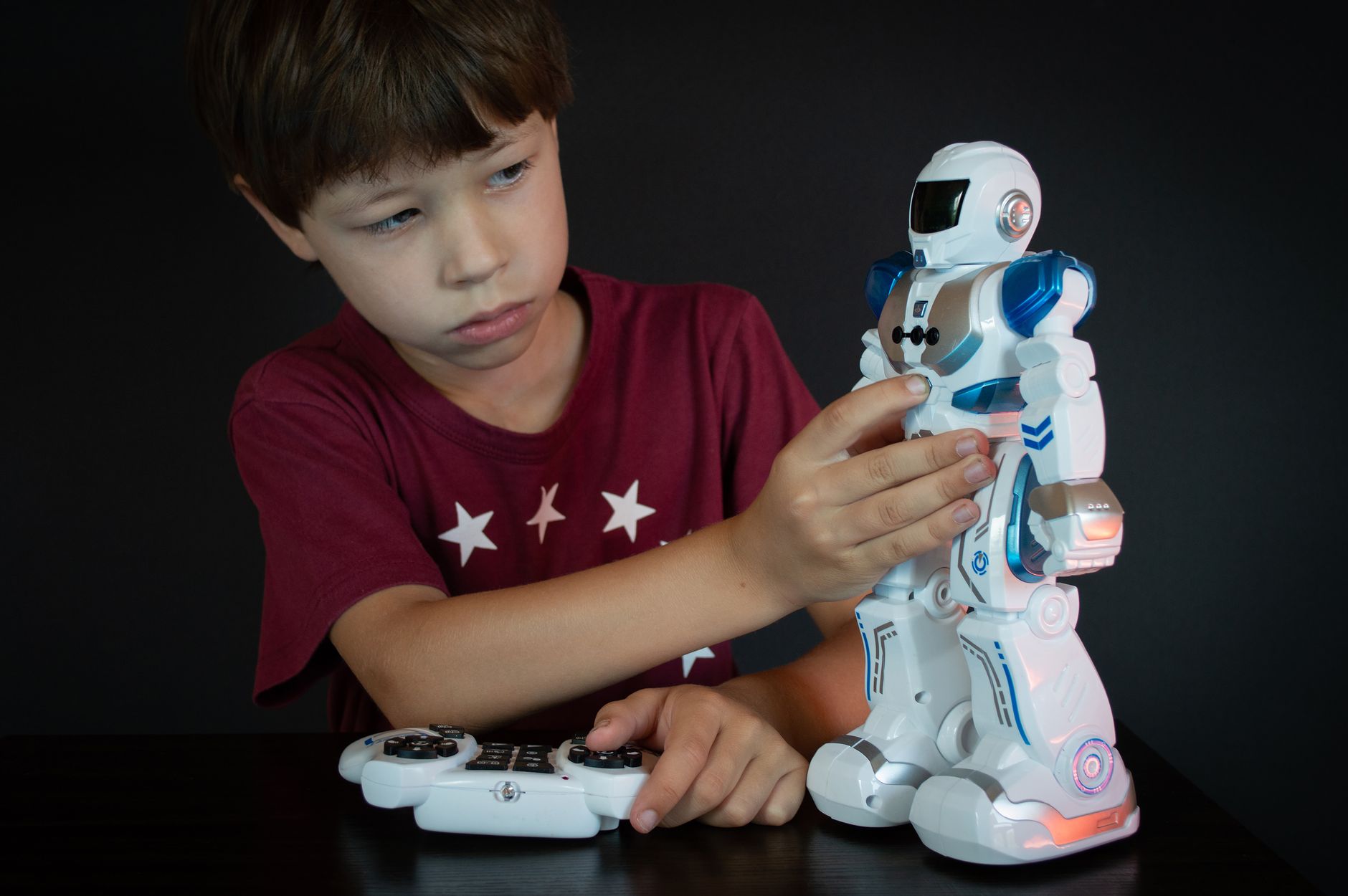
The shift of artificial intelligence from chatbots into physical toys, dolls, and robots represents a new frontier for consumer electronics and early childhood development. A leading child-development expert cited by NPR highlights that these AI companions can offer genuine educational promise, engaging children in interactive play that adapts to their responses. For businesses, this signals a large addressable market in toy manufacturing and AI software integration, where companies like those building conversational teddy bears or robotic friends could see rapid adoption in homes across America.
However, the same expert warns that immersive AI companionship may crowd out the essential human relationships children require for emotional and social maturation. This tension creates a critical risk factor for investors: if widespread public concern about developmental harm sparks regulatory scrutiny or consumer boycotts, the entire product category could face headwinds. For venture capitalists and public market investors, due diligence must now include child psychology risk assessments alongside typical tech metrics.
The story, covered nationally by NPR, indicates the trend has already reached major media attention, which often precedes regulatory action or consumer backlash. For real estate and business owners, locations that host toy stores, child care centers, or educational facilities may see shifts in foot traffic if AI toys become must-have items—or obligatory purchases that cut into spending on other children's products.
For side hustlers and small business owners, the rise of AI toys opens niches like accessory design, replacement parts, content creation for toy-specific programming, or child-safe AI training data services. Companies that develop or supply hardware components for interactive toys could also see increased demand, particularly those involved in sensors, microphones, and natural language processing chips.
From a broader investment perspective, the categories of electronics and semiconductors stand to benefit directly as AI toys require advanced processors and connectivity. But the
Read the full story
Original reporting and related coverage — attribution links only, not paid recommendations.
Trade this story


Partner links — OppHub may earn a commission at no extra cost to you.
Structured tickers, ETFs, hedges, and invalidation triggers from this story — not personalized advice.