Air Quality Crisis: Economic Headwinds Hit Major Urban Hubs
💡 Assess exposure to retail and hospitality stocks in the affected Midwest and Northeast corridors, as foot traffic often declines during poor air quality events.,Consider the growing market for high-end air filtration systems and HVAC upgrades, which are seeing increased demand from commercial real estate owners looking to protect indoor air quality.,Evaluate potential labor productivity losses for companies with heavy reliance on outdoor operations, such as construction, landscaping, and last-mile delivery services.,Monitor insurance and healthcare sectors for potential shifts in claims related to respiratory and cardiovascular issues linked to prolonged exposure to hazardous air.
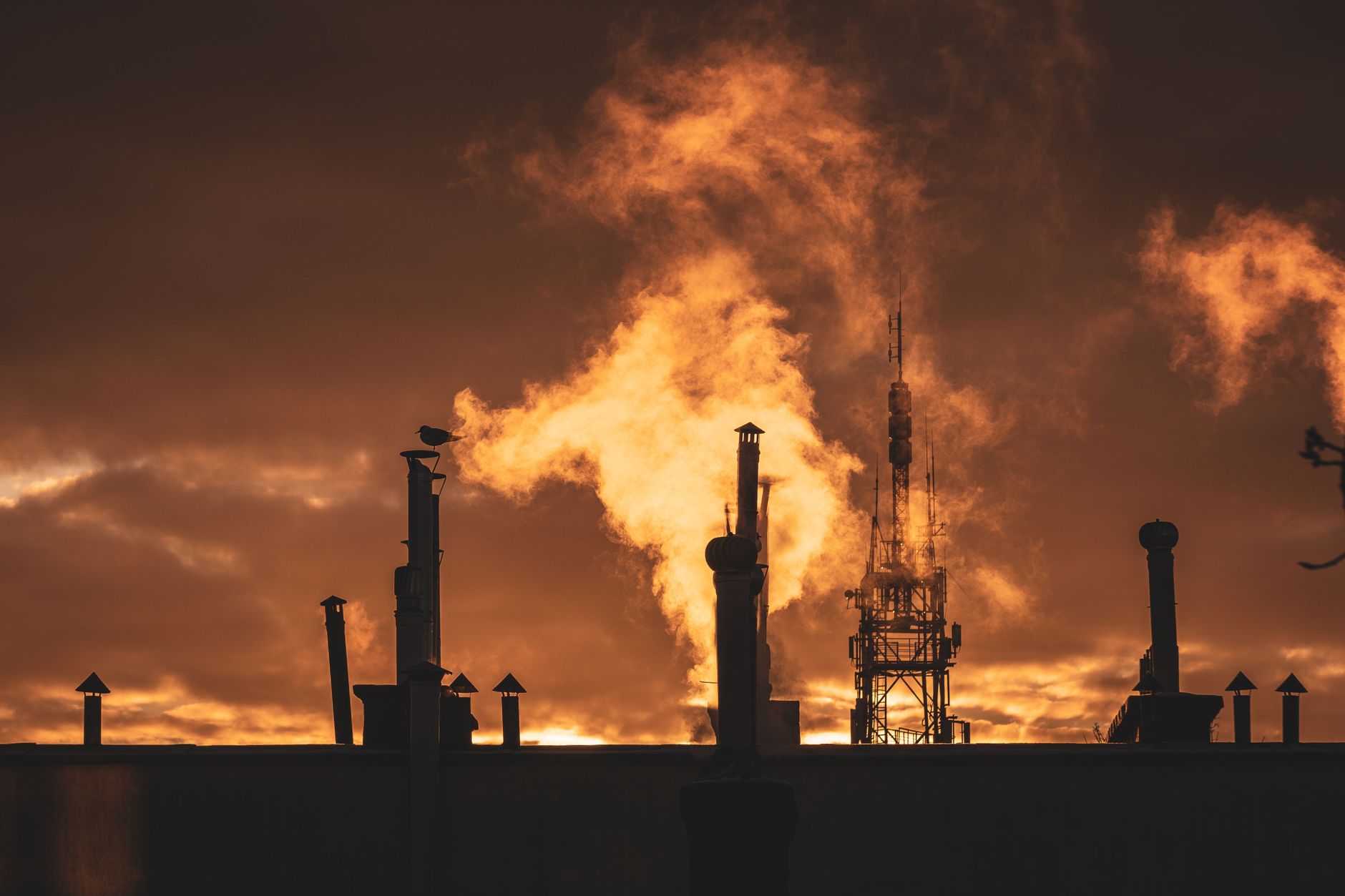
Severe wildfire smoke is currently disrupting operations across major U.S. metropolitan centers, including New York City, Chicago, Detroit, and Minneapolis. As air quality reaches hazardous levels, businesses and local economies face immediate productivity and health-related fiscal pressures.
Major economic engines across the United States are currently grappling with hazardous air quality conditions caused by widespread wildfire smoke. Cities such as New York, Chicago, Detroit, and Minneapolis have reported some of the highest pollution levels globally, creating an environment that complicates daily commerce and outdoor labor.
This atmospheric shift represents more than just a public health concern; it serves as a growing cardiovascular threat that can disrupt the standard flow of urban business. When air quality indices spike, companies often face operational challenges, ranging from reduced foot traffic in retail districts to the suspension of outdoor construction and logistics projects.
For businesses reliant on physical presence, these environmental conditions can lead to sudden shifts in consumer behavior. As residents are advised to limit time outdoors, service-based industries and brick-and-mortar establishments may see a temporary decline in revenue, mirroring the volatility seen during previous climate-related disruptions.
The long-term fiscal impact of recurring poor air quality remains a point of concern for urban planners and investors. As these events become more frequent, the cost of maintaining healthy indoor environments and the potential for increased healthcare expenditures could weigh on the broader economic stability of these densely populated regions.
Investors and business owners should monitor how these environmental patterns influence regional productivity metrics. With major financial and industrial hubs currently affected, the ripple effects on supply chains and worker attendance could influence short-term performance indicators in the impacted states.
Read the full story
Original reporting and related coverage — attribution links only, not paid recommendations.
Trade this story


Broker buttons use invite / refer-a-friend links (rewards may be capped). Other partner links may pay OppHub a commission at no extra cost to you.
Tools & books on Amazon
Shop Amazon →Relevant gear and reads when you want to go deeper — OppHub may earn from qualifying purchases.
Build My Playbook
Turn this headline into a clear plan: what to watch, how to express it (stocks, ETFs, or options education), and how you’d know you’re wrong — for beginners and active traders. Not personalized advice.
You’ll get theme → ETFs → stocks → options education → side income → kill switches.