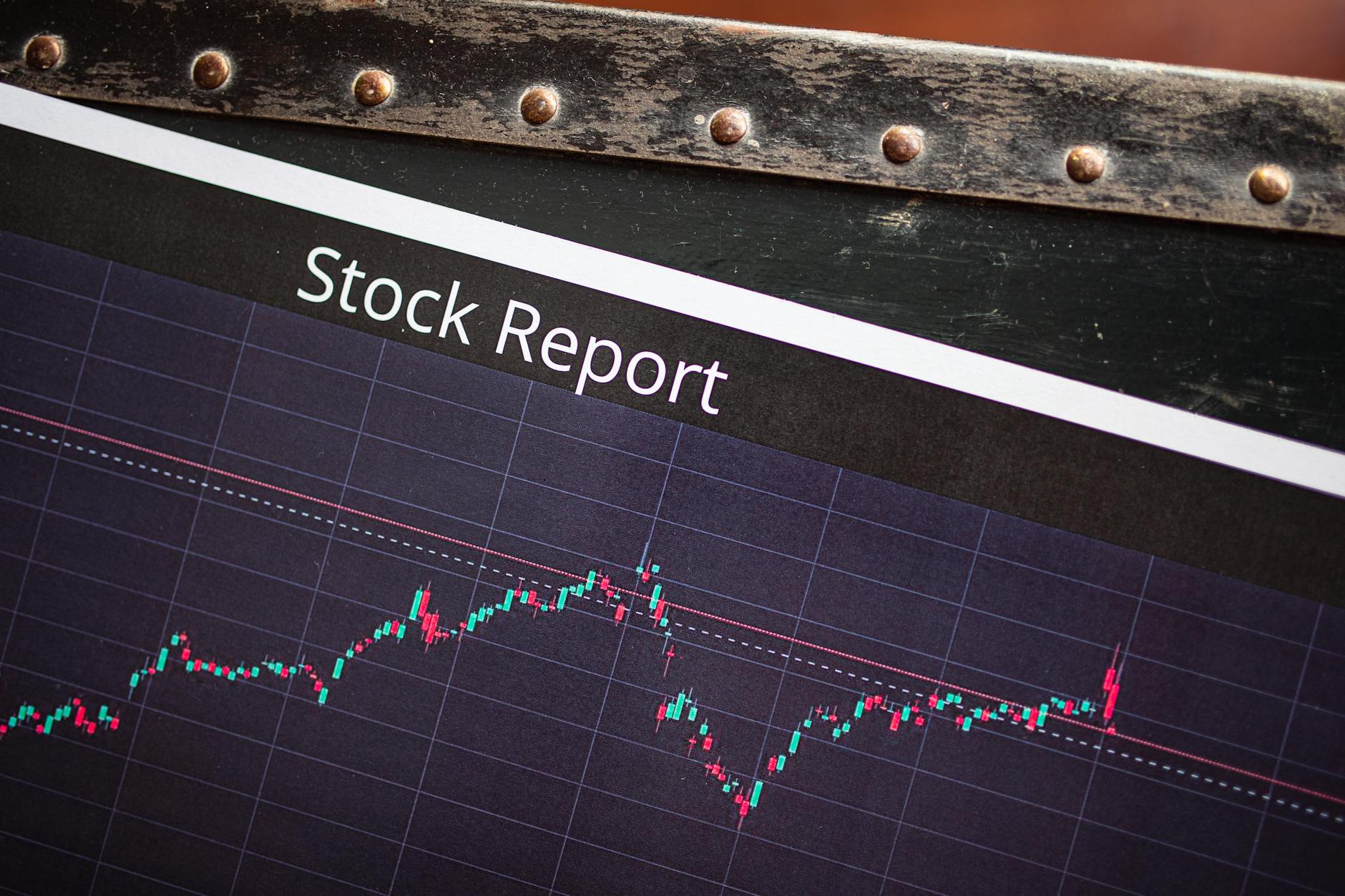
August Stock Market Slump Is a Long-Held Misconception, Historical Data Shows
💡 - Don't let the 'August slump' narrative prompt you to sell equities short-term; history shows the month typically delivers gains with below-average volatility. - Consider using August's lower volatility as a favorable window to add to core stock positions or rebalance portfolios without the drag of turbulent trading. - Be skeptical of calendar-based trading myths repeated on Wall Street — they may cause missed opportunities and unnecessary transaction costs.
Despite persistent warnings from Wall Street about a seasonal downturn, analysis of over two centuries of market data reveals that stocks, on average, rise in August and volatility remains below normal. This myth could mislead investors into sitting out a month that actually offers solid returns and reduced risk.
For years, traders and financial commentators have warned of an August stock market slump, but the narrative does not match reality. According to a MarketWatch report reviewing more than 200 years of data, stocks have historically posted gains in August, and market volatility during the month has been consistently lower than the long-term average. The persistent belief in a seasonal downturn appears to be more about collective memory of a few dramatic events than a reliable pattern.
The myth likely persists because it gives pundits a simple, repeatable story that audiences expect. However, investors who sell out of stocks in July or avoid buying in August may be missing out on a month that, on average, delivers positive returns with less turbulence. The data suggests that August is actually one of the more stable periods for equity markets.
This mismatch between perception and fact has direct implications for portfolio strategy. If an investor acts on the slump myth, they might shift to cash or defensive positions unnecessarily, risking lost upside and increased trading costs. Conversely, recognizing the real statistical trend can encourage staying the course or even adding to positions during what is typically a calm month.
For those focused on making money through investing or trading, understanding this myth is a small edge. It reinforces the principle that market timing based on broad calendar narratives is often less reliable than sticking with long-term trends. The facts from over two centuries show that August is not a time to fear stocks, but rather a month that has historically rewarded patient holders.
Read the full story
Original reporting and related coverage — attribution links only, not paid recommendations.
Trade this story


Broker buttons use invite / refer-a-friend links (rewards may be capped). Other partner links may pay OppHub a commission at no extra cost to you.
Gear Desk
Full kit →Curated tools and reads for the money move — OppHub may earn from qualifying purchases.
Playbook
New stories get a playbook when they publish. Older articles may not have one yet.
No stored playbook for this article. Going forward, playbooks are generated once at publish and kept on the story.