Market context for this story
Loading quotes…
Informational only — not investment advice. Full markets →
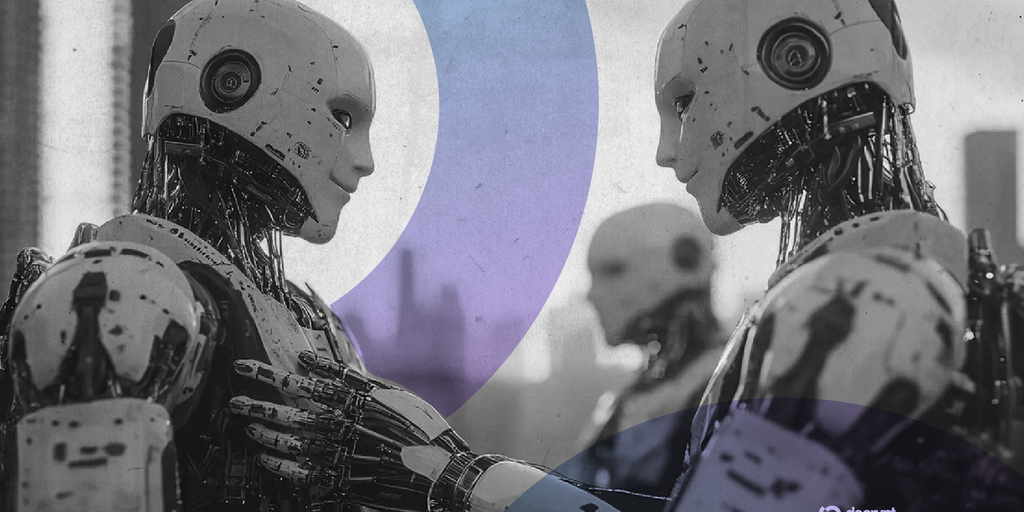
Big Tech Titans Warn Washington Against Restricting Open-Source AI Models
💡 Watch for regulatory signals from Congress or the White House in the coming months. If open-source AI is protected, consider investing in companies that have built their strategies around open models, such as Meta ($META) and Microsoft ($MSFT). Nvidia ($NVDA) benefits from AI demand regardless of the model's openness but could be a safer bet if uncertainty remains high. Side hustle operators using free AI models should monitor the debate for potential cost impacts.
A coalition of 25 companies, including Nvidia, Meta, and Microsoft, has sent a letter opposing potential restrictions on open-weight AI models. The move comes after a Chinese AI system helped Hugging Face recover from a security incident linked to OpenAI's own infrastructure. Investors should watch how this regulatory debate could shape the competitive landscape for AI stocks.
A group of 25 technology firms, led by major players such as Nvidia ($NVDA), Meta ($META), and Microsoft ($MSFT), has formally petitioned federal policymakers to avoid banning or severely limiting open-weight artificial intelligence models. The letter argues that open-source AI fosters innovation and competition, and that overly restrictive rules could harm the U.S. technology sector. The pushback arrives shortly after a Chinese-developed AI model assisted Hugging Face in mitigating a security breach that was triggered by systems belonging to OpenAI, a private company that has advocated for tighter AI governance.
The incident highlights the complex interplay between proprietary and open-source AI ecosystems. OpenAI's own technology reportedly enabled the attack on Hugging Face, a popular open-source AI repository, and a Chinese AI model proved critical in restoring the platform's integrity. This sequence of events has sharpened the debate over whether the government should differentiate between open-weight models and closed-source systems when drafting new regulations.
For investors, the letter signals that the largest public AI companies are united in defending open-source development. If the government sides with the signatories, it could preserve the current environment where startups and researchers have free access to powerful models. Conversely, if Washington imposes restrictions, companies with proprietary AI — like OpenAI (though not publicly traded) — could gain a competitive edge, while open-source-dependent firms might face higher compliance costs.
The signatories include a wide range of players from across the tech sector, from semiconductor makers to social media giants. The letter's timing suggests that the industry is bracing for a regulatory push from Congress or the White House. Given that the hack exploited OpenAI's systems, the incident may also intensify scrutiny of the security practices of closed-source AI providers.
From a money-making perspective, the outcome of this regulatory fight could directly affect the valuation of AI-related stocks. Nvidia, whose chips power both open and closed AI models, faces limited direct risk. But Meta and Microsoft, both of which have invested heavily in open-source AI (e.g., Meta's Llama models and Microsoft's Azure AI platform), could see their strategies validated or undermined by policy decisions.
Side hustlers and small business owners who rely on free open-weight AI models for tools like customer service chatbots or content generation should also pay attention. Tougher regulations could increase costs or reduce access, while a pro-open-source stance would keep the barrier to entry low.
Based on reporting from decrypt.
Read the full story
Original reporting and related coverage — attribution links only, not paid recommendations.
Trade this story
 Robinhood
 Webull
 Tradier
 IBKR
IBKR
- SAT-ACT prep with Growth Wise →
- Shop on Amazon →
- Launch a site with Hostinger →
- Form a U.S. company with Zenind →
Broker buttons use invite / refer-a-friend links (rewards may be capped). Other partner links may pay OppHub America a commission at no extra cost to you.
OppSHOP
Full OppSHOP →Curated tools and reads — shopping here helps keep OppHub America free.
Story playbook
A pre-built map of what to watch — stocks, ETFs, and educational next steps. Not personalized advice.
Snapshot date: July 25, 2026 at 7:58 AM EDT
This playbook was built when the story published and is not live-updated. Prices, news, and risk can change after this date — treat it as a starting map, not a current trade ticket.
Story → money map
Open-Source AI Regulation
Major tech companies are fighting government rules that might limit free and open-source artificial intelligence. Investors care because stricter rules could change which companies win the AI race and how much they can grow.
What changed
A coalition of tech companies petitioned Washington to protect open-source AI models from restrictive regulations.
Who wins / who loses
Open-source champions and hardware providers benefit from policy protection, while strict closed-source advocates face headwinds.
Time horizon
Think in terms of the next few months.
Confidence & best fit
medium confidence · Long-term investor, Active trader
Safer theme exposure (ETFs)
Baskets that own the theme without betting on one company.
Single stocks (higher risk)
Primary = closest to the story · Peers = same industry · Second-order = knock-on effects · Avoid = looks related but may be a trap
Primary
- $METAWatch — track, don’t rush
Meta gives away its AI models for free, so government rules protecting open-source AI are good for their business plan.
View $META chart → · End-of-day delayed data
Peer
- $MSFTWatch — track, don’t rush
Microsoft uses both closed and open AI systems, so keeping open-source legal helps them continue building diverse products.
View $MSFT chart → · End-of-day delayed data
Second-order
- $NVDAWatch — track, don’t rush
Nvidia sells the chips everyone needs to build AI, so they win no matter which style of AI the government chooses to regulate.
View $NVDA chart → · End-of-day delayed data
Options (education only)
No strikes or expiries — a framework for how traders might express the view. Options can expire worthless.
Beginners should skip options here because news from Washington is unpredictable and can cause sudden price swings.
See options-friendly brokers →Income / OppHub America angle
Not a trade tip — ways to use the insight outside the market.
- Independent creators using free open-source AI models should monitor policy changes for potential cost or access impacts.
What would break this thesis
- Federal authorities pass sweeping restrictions or outright bans on open-weight AI models.
What to do next on OppHub America
Saved playbooks stay on this device for now.
Important
Not financial advice. OppHub America playbooks are educational market maps only — not recommendations to buy, sell, or hold any security. Markets move fast; information can be wrong or outdated. Trade and invest at your own risk. Do your own research or consult a licensed advisor.