Market context for this story
Loading quotes…
Informational only — not investment advice. Full markets →
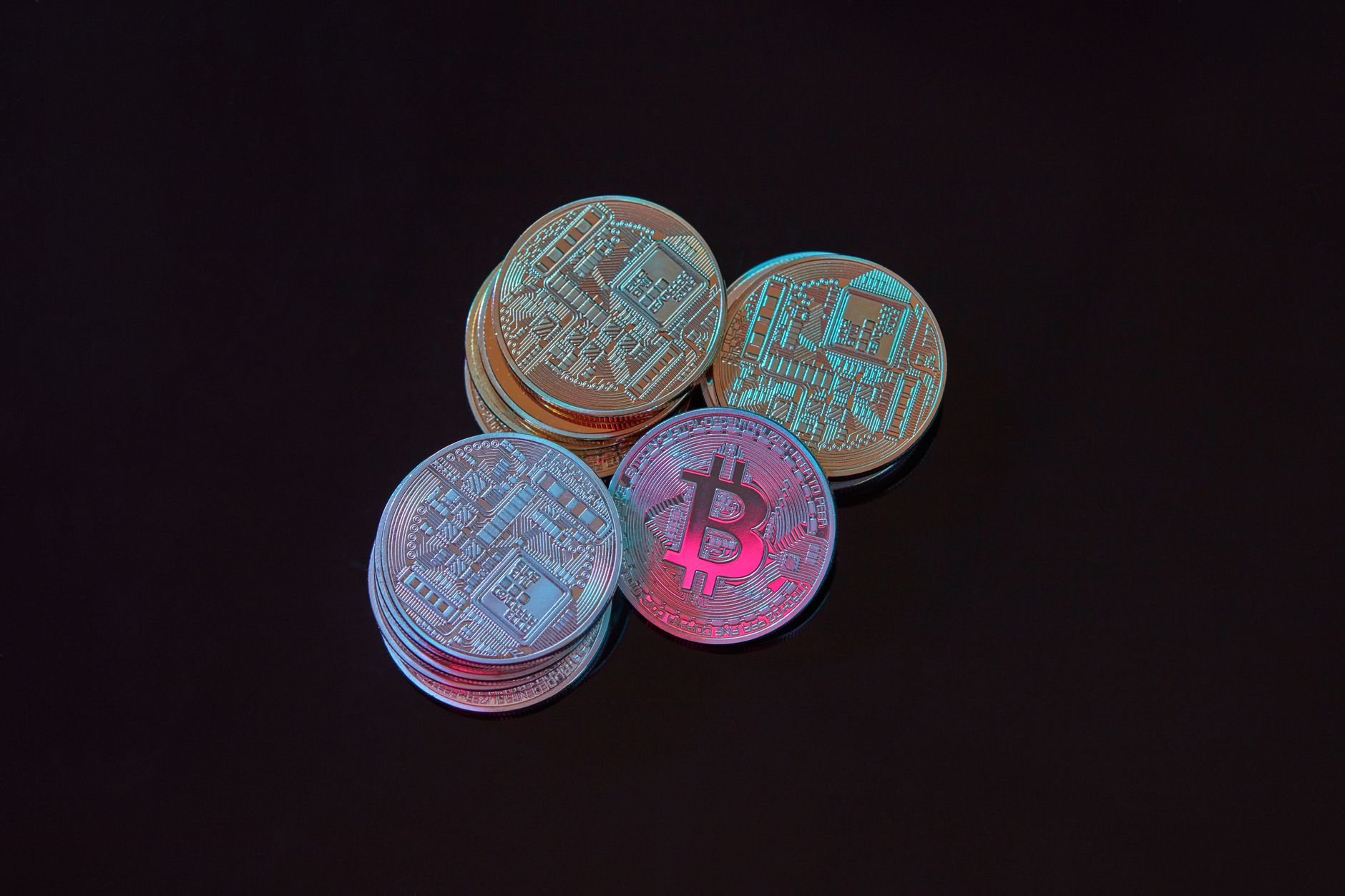
BlackRock Argues Crypto Can Outpace Quantum Computing Risks With Swift Upgrades
💡 - BlackRock's view reduces the quantum risk premium for crypto, potentially supporting higher valuations for Bitcoin and major altcoins. - Investors should monitor which blockchain projects publicly commit to quantum-resistant upgrades; those that move quickly may gain a competitive edge. - For side hustles, consider staking or lending on networks that actively develop quantum-safe protocols, as these may attract more institutional capital. - Real estate and traditional business owners can note that if crypto's quantum risk is manageable, the asset class remains a viable hedge against fiat inflation.
BlackRock, the world's largest asset manager, believes Bitcoin and other cryptocurrency networks can stay ahead of the quantum computing threat if they act quickly. The firm's analysis suggests that decentralized networks have the flexibility to implement upgrades faster than traditional financial systems, preserving their value proposition for investors. This positions crypto as a resilient asset class for those monitoring long-term tech risks.
BlackRock, the asset management giant, has weighed in on the growing debate over quantum computing's potential to break cryptographic security. In a recent analysis, the firm stated that Bitcoin and other cryptocurrency networks hold an advantage over traditional systems when facing the threat of quantum computers. The key, according to BlackRock, is the ability to move fast enough with network upgrades.
The firm's assessment highlights a critical difference between decentralized crypto networks and legacy financial infrastructure. While centralized systems often require slow, bureaucratic updates, blockchain communities can coordinate and implement cryptographic changes more nimbly through consensus mechanisms. This agility could allow crypto to outrun the timeline of quantum computing's maturation.
For investors, this means the perceived existential risk from quantum computers may be overstated in the short to medium term. BlackRock's perspective suggests that proactive development and community-driven upgrades can shield the value of crypto holdings. However, the window for action is not infinite, and networks that delay upgrades could face existential threats.
The implications extend beyond Bitcoin. Ethereum, Solana, and other major chains are also exploring quantum-resistant algorithms. BlackRock's endorsement of the sector's ability to adapt could boost confidence among institutional investors who had previously cited quantum risk as a reason to avoid crypto exposure.
From a money-making standpoint, the analysis reinforces the case for allocating capital to crypto projects with strong development teams and clear roadmaps for post-quantum security. It also highlights potential opportunities in companies developing quantum-resistant cryptography solutions, though no specific tickers were mentioned in the original report.
Read the full story
Original reporting and related coverage — attribution links only, not paid recommendations.
Trade this story


Broker buttons use invite / refer-a-friend links (rewards may be capped). Other partner links may pay OppHub a commission at no extra cost to you.
Tools & books on Amazon
Shop Amazon →Relevant gear and reads when you want to go deeper — OppHub may earn from qualifying purchases.
Story playbook
A pre-built map of what to watch — stocks, ETFs, and educational next steps. Not personalized advice.
Snapshot date: July 23, 2026 at 2:39 PM EDT
This playbook was built when the story published and is not live-updated. Prices, news, and risk can change after this date — treat it as a starting map, not a current trade ticket.
Story → money map
crypto quantum resilience
BlackRock says Bitcoin and other cryptocurrencies can update quickly enough to protect themselves against future super-powerful quantum computers. Investors care because this removes a major fear about crypto becoming worthless, making it safer to hold for the long term.
What changed
BlackRock published an analysis suggesting crypto networks can implement quantum-resistant upgrades faster than legacy financial systems.
Who wins / who loses
Agile layer-1 blockchain networks and crypto asset holders benefit, while slow-moving legacy systems and laggard cryptos face rising pressure to upgrade.
Time horizon
Think in terms of the next few months.
Confidence & best fit
medium confidence · Long-term investor
Safer theme exposure (ETFs)
Baskets that own the theme without betting on one company.
Single stocks (higher risk)
Primary = closest to the story · Peers = same industry · Second-order = knock-on effects · Avoid = looks related but may be a trap
Second-order
- $COINWatch — track, don’t rush
Coinbase makes money when people trade crypto, so long-term confidence in crypto safety helps their business.
View $COIN chart → · End-of-day delayed data
Options (education only)
No strikes or expiries — a framework for how traders might express the view. Options can expire worthless.
Beginners should skip options here and stick to holding the underlying assets directly.
See options-friendly brokers →Income / OppHub angle
Not a trade tip — ways to use the insight outside the market.
- Research which blockchain projects are actively funding or developing post-quantum cryptography research grants.
- Explore staking on networks that demonstrate active developer engagement and upgrade readiness.
What would break this thesis
- Major blockchain networks fail to reach consensus on critical cryptographic upgrades.
- A breakthrough in quantum computing outpaces the actual implementation timeline of network patches.
What to do next on OppHub
Saved playbooks stay on this device. Club members get deeper tools over time.
Important
Not financial advice. OppHub playbooks are educational market maps only — not recommendations to buy, sell, or hold any security. Markets move fast; information can be wrong or outdated. Trade and invest at your own risk. Do your own research or consult a licensed advisor.