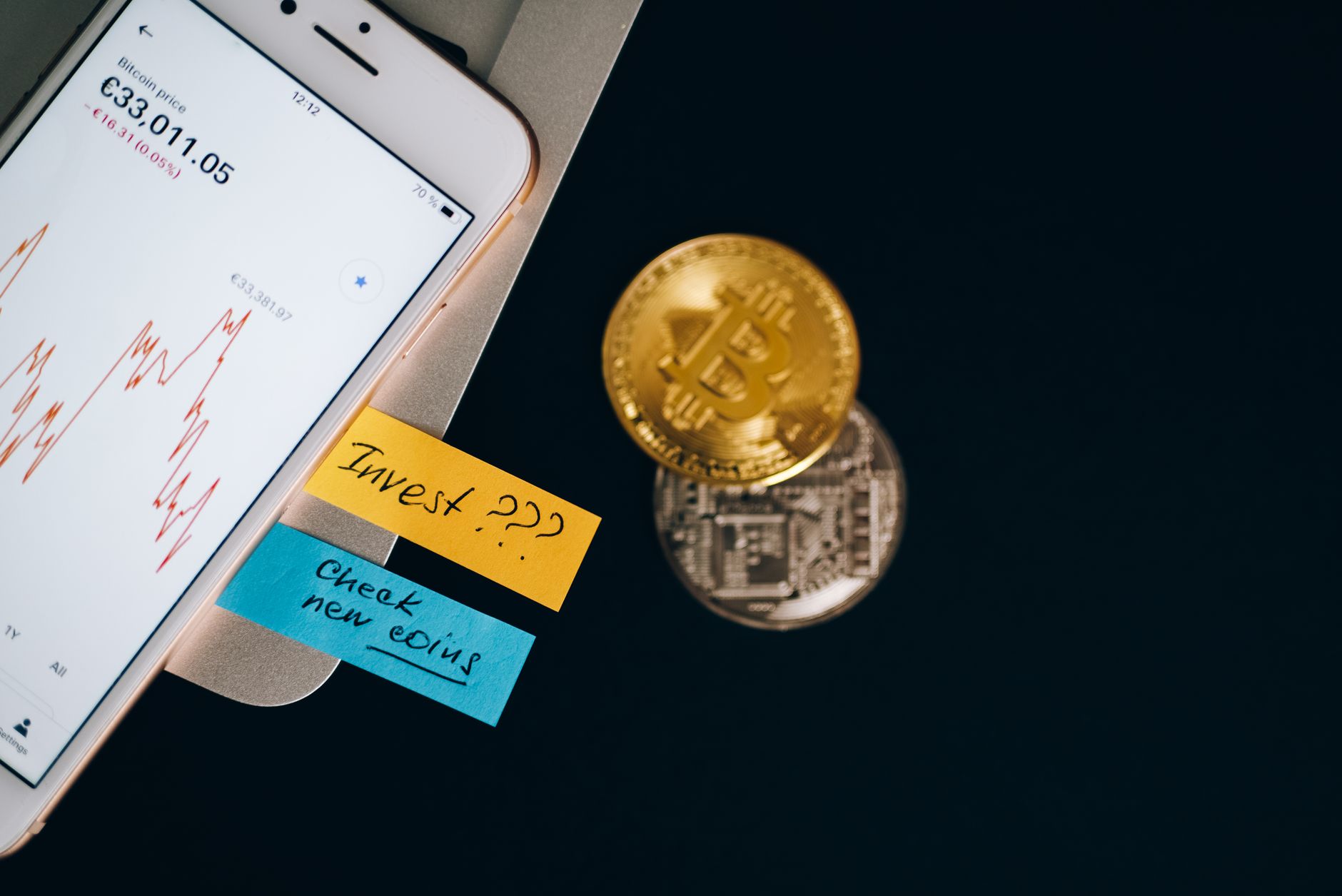
Crypto as a Diversification Tool: Experts Weigh In on the Right Approach
💡 • If you already hold a standard stock/bond portfolio, consider adding a 1-5% allocation to a crypto ETF or directly to bitcoin/ether to test diversification benefits. • Track correlations between your crypto holdings and major indices like the S&P 500 or NASDAQ every quarter; if they become too tight, the diversification value is fading. • Rebalance regularly: sell some crypto when it outperforms your target allocation and buy when it dips, to lock in the risk-reduction effect. • Avoid speculative trading or high-leverage positions — these destroy the diversification intent and amplify portfolio volatility. • Use regulated products (e.g., spot bitcoin ETFs) to reduce custody and security risks, especially if you're not comfortable managing private keys.
Financial advisors and market analysts say using cryptocurrencies like bitcoin can reduce portfolio risk, but only if employed correctly. The wrong approach can amplify volatility, while strategic allocation may offer true diversification benefits.
According to financial advisors and market analysts, cryptocurrencies such as bitcoin can serve as a diversification tool within an investment portfolio — but the method matters. The key distinction lies in how much to allocate and how to rebalance, rather than simply adding crypto for its own sake. Experts emphasize that the typical portfolio already holds assets that correlate with crypto during certain market phases, which can undermine the intended risk-reduction effect.
A common mistake is treating crypto as a one-size-fits-all hedge. Advisors point out that bitcoin and other digital assets often behave differently from stocks and bonds, but that behavior can shift over time. For example, in periods of extreme market stress, crypto may not act as a safe haven, while in calm markets it can offer uncorrelated returns. The 'right way' involves a disciplined allocation — typically 1% to 5% of the portfolio — and regular rebalancing to lock in gains or cut losses.
Another critical factor is the investor's time horizon and risk tolerance. Younger investors with a longer runway may be more able to stomach the volatility, while those nearing retirement should be more cautious. Advisors also stress the importance of using reputable exchanges and secure storage, as custody risks remain a real threat to the investment thesis.
From a money-making perspective, the opportunity lies in pairing crypto with traditional assets like stocks and bonds to potentially improve the Sharpe ratio — a measure of risk-adjusted return. However, the benefits are not automatic; they require active management and a clear strategy. The wrong approach — such as heavy allocation or emotional trading — can actually increase portfolio risk.
Market analysts further note that the broader adoption of crypto by institutional investors and asset managers has made it easier to gain exposure through ETFs and other regulated products. This lowers the barrier for retail investors but also introduces new considerations around fees, tracking error, and liquidity. Ultimately, the consensus is that crypto can be a useful piece of a diversified portfolio, but only if implemented with discipline and a clear understanding of the risks.
Based on reporting from cnbc-top.
Read the full story
Original reporting and related coverage — attribution links only, not paid recommendations.
Trade this story
 Coinbase
 Gemini
 Robinhood
 Webull
Broker buttons use invite / refer-a-friend links (rewards may be capped). Other partner links may pay OppHub America a commission at no extra cost to you.
OppSHOP
Full OppSHOP →Curated tools and reads — shopping here helps keep OppHub America free.
Story playbook
A pre-built map of what to watch — stocks, ETFs, and educational next steps. Not personalized advice.
Snapshot date: July 25, 2026 at 10:28 AM EDT
This playbook was built when the story published and is not live-updated. Prices, news, and risk can change after this date — treat it as a starting map, not a current trade ticket.
Story → money map
crypto diversification
Experts say adding a tiny slice of crypto (1% to 5%) to a normal stock and bond mix can help diversify your savings, as long as you do it carefully using safe funds. Beginners should avoid risky trading and stick to steady, disciplined investing rather than chasing quick gains.
What changed
Financial analysts have clarified the conditions under which cryptocurrencies can effectively serve as portfolio diversification tools rather than speculative bets.
Who wins / who loses
Disciplined investors and regulated crypto asset managers benefit from structured adoption, while high-leverage speculators face increased portfolio risk.
Time horizon
Think in terms of the next few months.
Confidence & best fit
medium confidence · Long-term investor
Safer theme exposure (ETFs)
Baskets that own the theme without betting on one company.
Single stocks (higher risk)
Primary = closest to the story · Peers = same industry · Second-order = knock-on effects · Avoid = looks related but may be a trap
Primary
- $COINWatch — track, don’t rush
This company operates a major regulated crypto platform where everyday people and advisors buy digital assets safely.
View $COIN chart → · End-of-day delayed data
Options (education only)
No strikes or expiries — a framework for how traders might express the view. Options can expire worthless.
Beginners should completely skip options for crypto and stick to simple, low-percentage holdings if they choose to invest.
See options-friendly brokers →Income / OppHub America angle
Not a trade tip — ways to use the insight outside the market.
- Review existing retirement accounts to check if minor alternative allocations fit your personal risk tolerance.
What would break this thesis
- Cryptocurrency correlations with major equity indices rising consistently near 1.0, destroying the diversification benefit.
What to do next on OppHub America
Saved playbooks stay on this device for now.
Important
Not financial advice. OppHub America playbooks are educational market maps only — not recommendations to buy, sell, or hold any security. Markets move fast; information can be wrong or outdated. Trade and invest at your own risk. Do your own research or consult a licensed advisor.