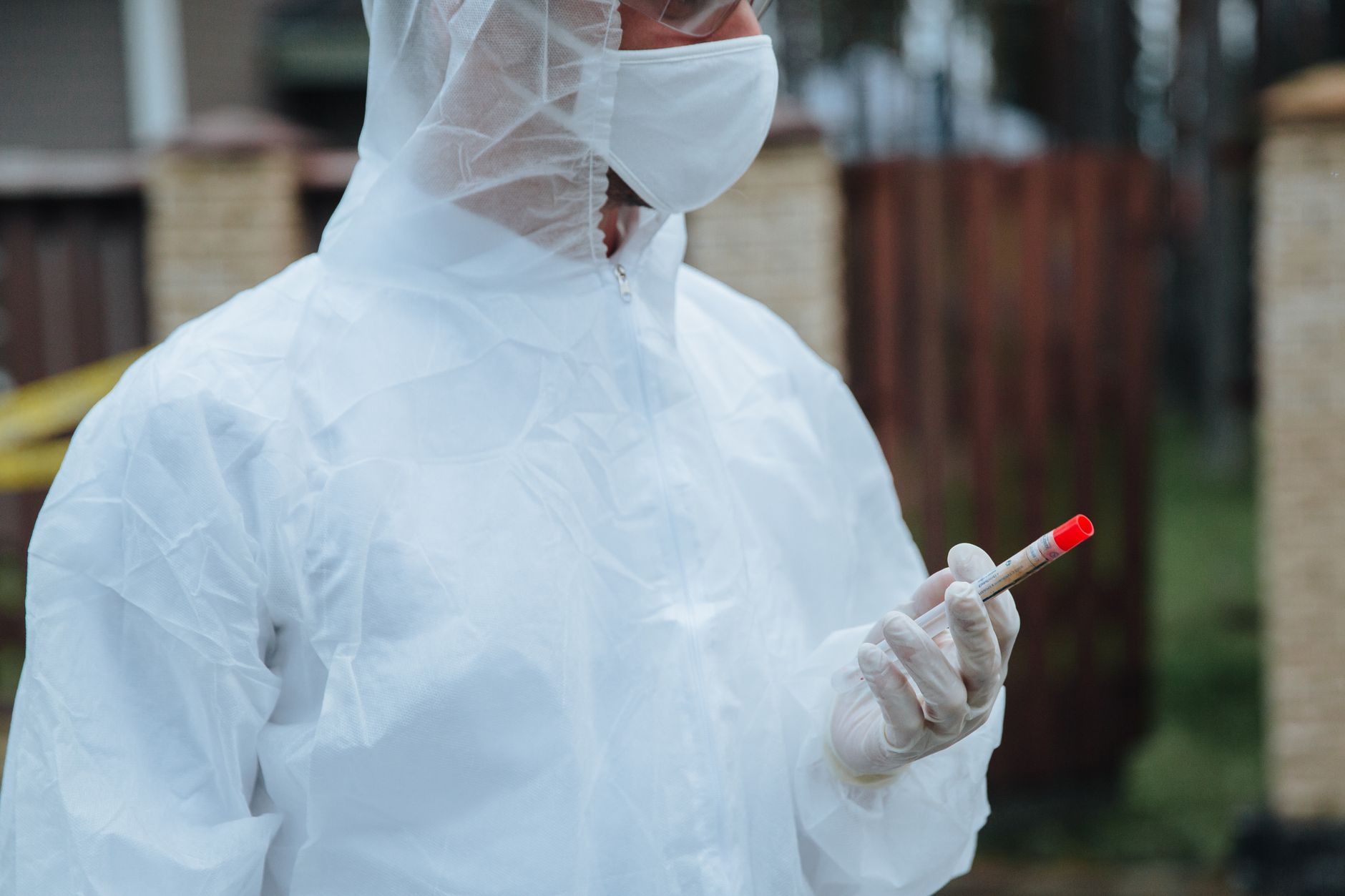
Cyclospora Outbreak Surpasses 1,000 Cases: Potential Fallout for Food Sector Investments
💡 - Short food safety testing and sanitation stocks (e.g., Ecolab, Neogen) may see increased demand as producers scramble for certification. - Avoid or hedge positions in fresh produce distributors and fast-casual chains until the contamination source is confirmed. - Consider monitoring FDA recall announcements for opportunities to short specific food commodity ETFs. - Real estate investors should review tenant exposure in cold-storage and produce-distribution centers for potential lease disruption.
The U.S. is facing a rapidly expanding outbreak of cyclospora, a diarrhea-causing parasite, with more than 1,000 confirmed cases as of mid-July 2026. No fatalities have been recorded, and the source remains unknown, creating uncertainty for fresh produce supply chains and food safety stocks.
A national outbreak of cyclospora infections has now climbed past the 1,000-case threshold, according to reports from July 13, 2026. The parasite, which causes severe gastrointestinal distress, has not been linked to any deaths, but health officials have yet to identify the contaminated food source. This lack of a clear origin creates prolonged risk for restaurants, grocery chains, and produce distributors that rely on fresh imports or domestic leafy greens and herbs. For investors, the situation mirrors past cyclospora or E. coli outbreaks that caused sharp, temporary selloffs in shares of major food suppliers and quick-service restaurant operators. The longer the source remains unknown, the broader the suspicion spreads across the entire fresh produce sector, potentially depressing near-term revenue for companies tied to salad mixes, cilantro, and imported berries. Real estate developers and commercial landlords with significant exposure to food-processing facilities or wholesale produce markets should also monitor this story, as any mandatory recalls or shutdowns could disrupt lease income and supply chain logistics. Cryptocurrency and side-hustle markets are less directly affected, but delivery-dependent food startups and meal-kit services could see order cancellations if consumers avoid fresh ingredients.
Read the full story
Original reporting and related coverage — attribution links only, not paid recommendations.
Trade this story


Partner links — OppHub may earn a commission at no extra cost to you.
Structured tickers, ETFs, hedges, and invalidation triggers from this story — not personalized advice.