Cyclospora outbreak expands: Historical case count could shake food supply stock chain
💡 Consider monitoring fresh produce futures and imported commodity prices for sudden down moves. Look for increased contract activity at food safety testing companies. Watch for any USDA or FDA fast-track recall guidance that could reshape supplier liability insurance costs. If a specific fruit or vegetable is named, expect immediate short-term profit pressure on large-scale importers and potential upside for domestic greenhouse operators.
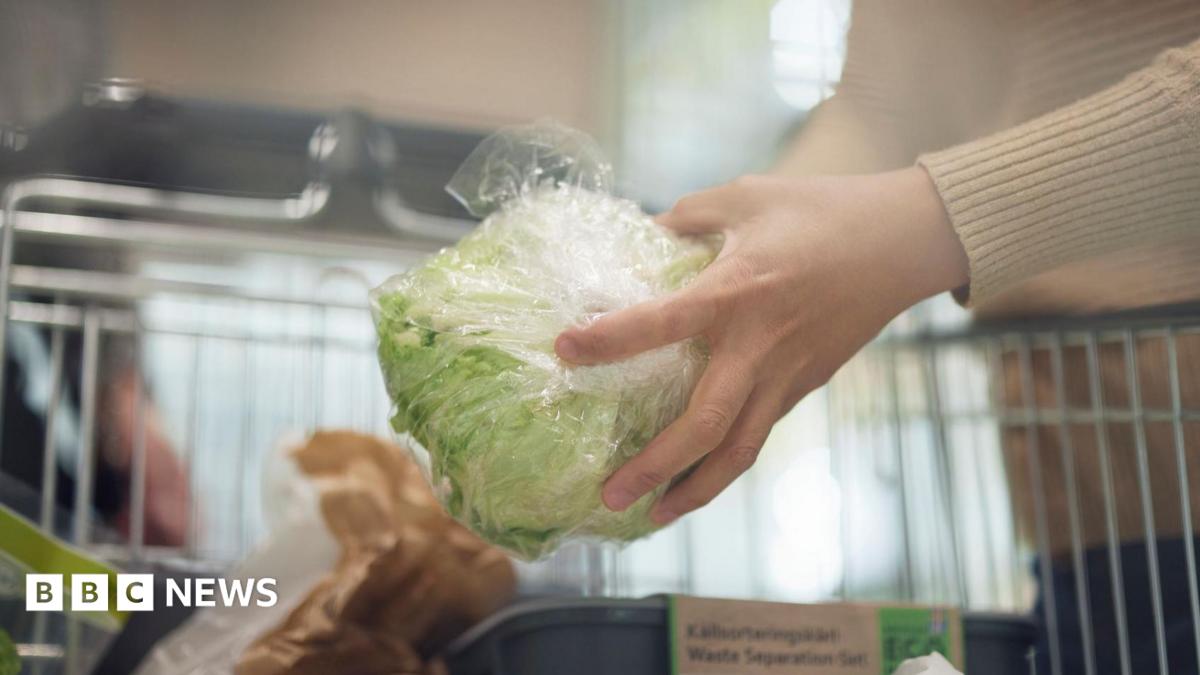
A record-setting cyclosporiasis outbreak has now spread to nine U.S. states with investigators still working to identify sources. The widening health crisis could pressure fresh produce supply chains and boost demand for food safety testing and alternative food preservation methods.
What happened — Federal health officials report that the current cyclosporiasis outbreak has expanded to nine U.S. states and now represents the largest number of reported cyclosporiasis cases in American history. Investigators have not yet identified the specific contaminated food items responsible for the record infection count.
Who — The U.S. Centers for Disease Control and Prevention (CDC) and the U.S. Food and Drug Administration (FDA) are leading the source investigation. BBC US & Canada first reported the outbreak's expansion. No specific companies or farms have been named in connection with the contaminated products.
Tickers / sectors — No clear equity angle. The input facts contain no publicly traded company ticker symbols. However, the outbreak could indirectly affect fresh produce suppliers, food safety testing firms, and companies in the cold-chain logistics sector.
Winners / losers — Importers of fresh berries, salad greens, and cilantro — foods historically linked to cyclospora — could face demand drops if consumers shift to cooked or preserved alternatives. Food safety testing laboratories and rapid diagnostic kit makers may see increased contracts from distributors seeking to verify supply cleanliness. Long-term, major grocery chains could invest more in blockchain traceability to reassure shoppers.
What to watch — The next FDA or CDC update on the source identification. Any product-specific recall announcement from the FDA could trigger sector-wide shifts in produce procurement, influencing both retail pricing and raw material contracts for foodservice operators. Also watch for potential import restrictions on summer produce from endemic regions.
Based on reporting from bbc-us.
Read the full story
Original reporting and related coverage — attribution links only, not paid recommendations.
Trade this story
 Coinbase
 Gemini
 Robinhood
 Webull
- SAT-ACT prep with Growth Wise →
- Shop on Amazon →
- Chart on TradingView — $15 off your next plan →
- Research with Morningstar Investor →
Broker buttons use invite / refer-a-friend links (rewards may be capped). Other partner links may pay OppHub America a commission at no extra cost to you.
OppSHOP
Full OppSHOP →Curated tools and reads — shopping here helps keep OppHub America free.
Story playbook
A pre-built map of what to watch — stocks, ETFs, and educational next steps. Not personalized advice.
Snapshot date: July 25, 2026 at 7:28 AM EDT
This playbook was built when the story published and is not live-updated. Prices, news, and risk can change after this date — treat it as a starting map, not a current trade ticket.
Story → money map
Food Safety and Produce Supply Chain
A major foodborne illness outbreak has spread across multiple states, though the exact food source is still unknown. Investors are watching to see which suppliers might be affected and which food safety companies could see more business.
What changed
A historic cyclosporiasis outbreak has expanded to nine U.S. states, prompting intensive FDA and CDC source investigations.
Who wins / who loses
Food safety testing labs and packaged food alternatives benefit, while fresh produce importers and large-scale distributors face potential demand pressure.
Time horizon
Think in terms of the next few weeks.
Confidence & best fit
low confidence · Long-term investor, Active trader
Low confidence → prefer ETFs and “Watch,” not rushing into one stock.
Safer theme exposure (ETFs)
Baskets that own the theme without betting on one company.
Single stocks (higher risk)
Primary = closest to the story · Peers = same industry · Second-order = knock-on effects · Avoid = looks related but may be a trap
Second-order
- $SJMWatch — track, don’t rush
Makers of packaged and shelf-stable foods could get a boost if people stop buying fresh salads and berries.
View $SJM chart → · End-of-day delayed data
Avoid / trap
- $DGWatch — track, don’t rush
Grocery sellers might face extra costs and headaches if fresh food shipments get delayed or thrown away.
View $DG chart → · End-of-day delayed data
Options (education only)
No strikes or expiries — a framework for how traders might express the view. Options can expire worthless.
Beginners should skip options on this story because we do not yet know which specific companies are involved.
See options-friendly brokers →Income / OppHub America angle
Not a trade tip — ways to use the insight outside the market.
- Focus on local home gardening and greenhouse kit sales as consumers seek uncontaminated control over fresh greens.
What would break this thesis
- The FDA quickly identifies a localized, non-recurring source with zero broader supply chain impact.
- Case counts rapidly decline without prompting any national food recalls.
What to do next on OppHub America
Saved playbooks stay on this device for now.
Important
Not financial advice. OppHub America playbooks are educational market maps only — not recommendations to buy, sell, or hold any security. Markets move fast; information can be wrong or outdated. Trade and invest at your own risk. Do your own research or consult a licensed advisor.