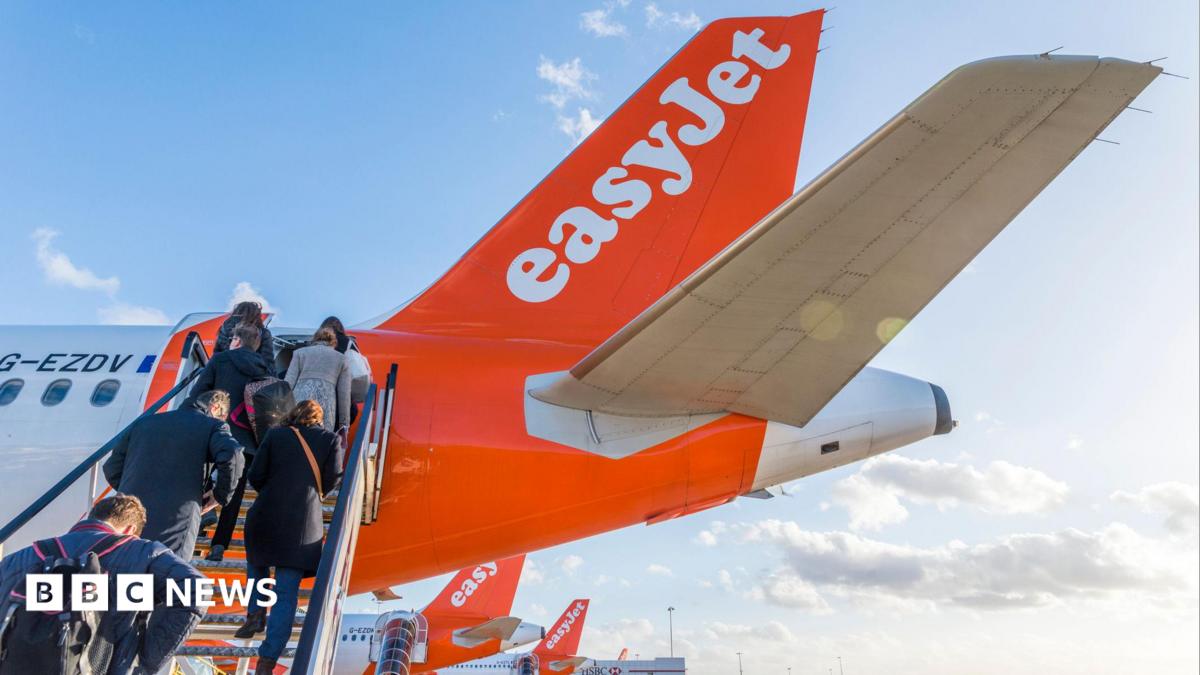
EasyJet Backs Apollo Bid Over Castlelake in Surprise Airline Takeover Fight
💡 • Don't chase airline M&A pops without reading offer docs and closing conditions. • Compare EV/EBITDA multiples vs pre-bid trading—second bids can still undervalue long-term slots. • Watch jet fuel hedges; unhedged buyers inherit commodity risk overnight. • Diversify travel exposure—single-name airline bets amplify labor and geopolitical shocks.
EasyJet has thrown its support behind a takeover offer from U.S. private equity firm Apollo, outbidding rival suitor Castlelake. The deal signals continued consolidation pressure on European carriers and renewed appetite for aviation assets.
Airline takeover battles look chaotic from the cabin aisle but follow predictable capital logic: load factors, fleet age, slot portfolios, and fuel hedging books determine what private equity will pay. EasyJet's pivot to Apollo over Castlelake tells markets a higher premium cleared governance hurdles—at least for now.
For investors, contested M&A in aviation is a spread trade. Shares often pop above the first bid when a second suitor emerges, then trade in a band until regulatory and antitrust reviews resolve. Retail holders should read offer timelines and break-fee language instead of chasing daily headlines.
Private equity buyers typically target cost restructuring, balance-sheet engineering, and route rationalization—not passenger experience upgrades. Labor and fuel volatility remain the variables models underestimate.
European airline consolidation also intersects with sustainability mandates and airport slot scarcity. Buyers are not just acquiring planes—they are buying access to constrained infrastructure.
Portfolio exposure for U.S. investors is usually indirect through aerospace suppliers, travel ETFs, or PE-linked funds rather than EasyJet ADRs. Still, successful bids often ripple through competitor valuations across the sector.
Based on reporting from BBC Business.
Loading partner offer…