Market context for this story
Loading quotes…
Informational only — not investment advice. Full markets →
Barry, OppHub America Desk · · Source: seeking-alpha
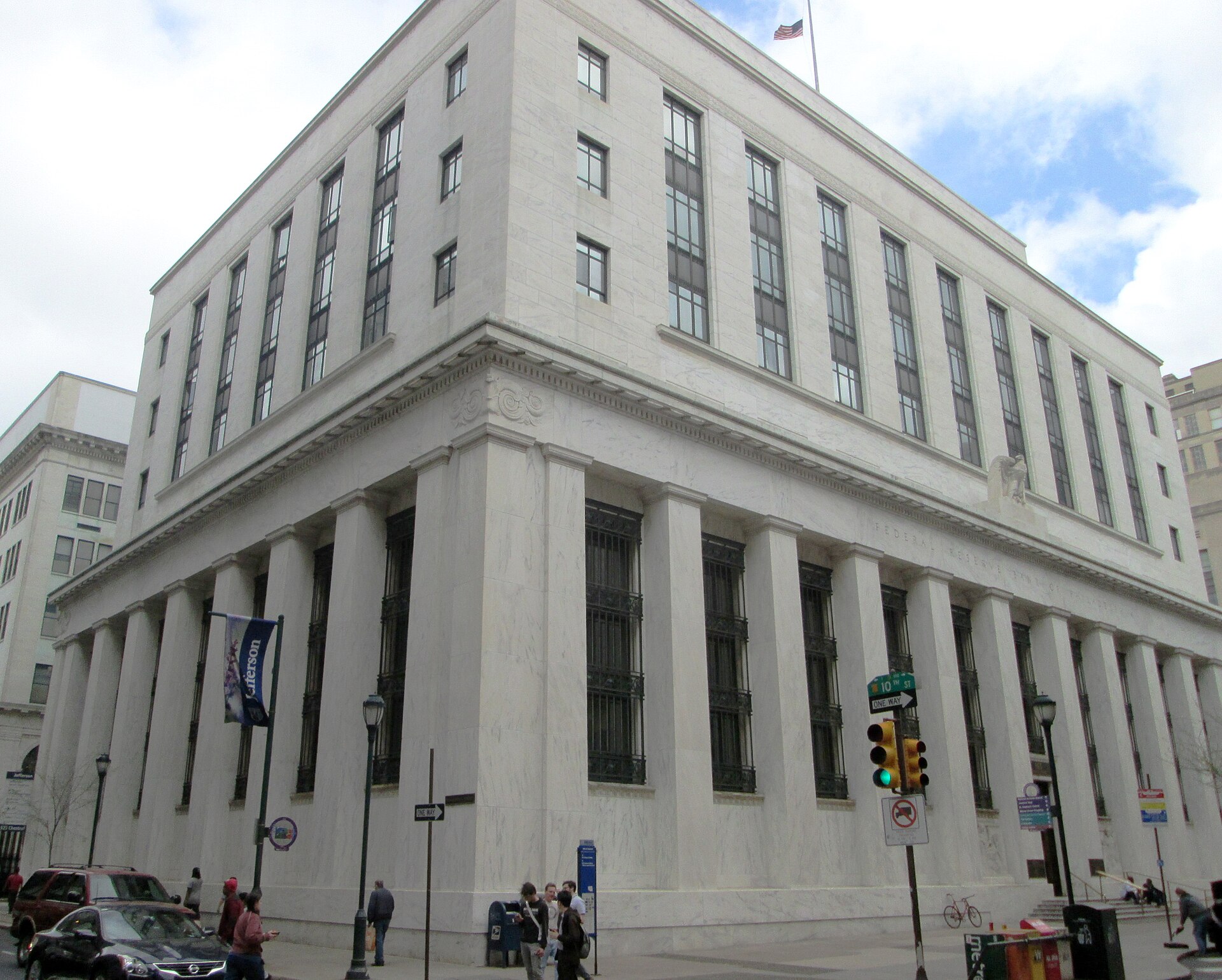
Fed Rate Hold Odds Rise: What It Means for U.S. Investors
💡 Watch communication for forward guidance on future rate policy and economic outlook.,Monitor the performance of bond market ETFs (TLT) for signals on interest rate expectations.,Observe broad market indices (SPY, QQQ) and financial sector performance (XLF) for reactions to a stable rate environment.
U.S. Federal Reserve bond markets indicate a strong likelihood that the Federal Open Market Committee (FOMC) will maintain current interest rates at its upcoming meeting. This outlook stems from current bond market movements, suggesting potential implications for various U.S. investment opportunities.
The move: Federal bond markets suggest the FOMC is projected to hold the federal funds rate steady at its July 29 meeting.
Why it matters: This market anticipation reflects current economic conditions, potentially indicating a belief that inflation or employment figures do not necessitate an immediate policy shift.
Market angle: A stable rate environment could offer clarity for U.S. investors in broad market indices like SPY and QQQ, while potentially influencing bond-focused ETFs such as TLT and financial sector performance represented by XLF.
Winners / losers: A decision to hold rates could favor longer-duration assets by removing immediate interest rate hike concerns, while potentially moderating volatility for financial institutions. Specific impacts on growth versus defensive stocks will depend on other economic indicators.
What to watch: Investors should monitor the FOMC's official statement and any subsequent commentary for details on future policy direction, along with incoming economic data that could influence subsequent meetings.
Based on reporting from seeking-alpha.
Read the full story
Original reporting and related coverage — attribution links only, not paid recommendations.
Trade this story
 Robinhood
 Webull
 Tradier
 IBKR
IBKR
Chart this story
 TradingView
Broker and exchange buttons use invite / refer-a-friend links (rewards may be capped). Charting links (TradingView) are partner offers that may pay OppHub America a commission at no extra cost to you.
OppSHOP
Full OppSHOP →Curated tools and reads — shopping here helps keep OppHub America free.
Story playbook
A pre-built map of what to watch — stocks, ETFs, and educational next steps. Not personalized advice.
Snapshot date: July 27, 2026 at 7:43 AM ET
This playbook was built when the story published and is not live-updated. Prices, news, and risk can change after this date — treat it as a starting map, not a current trade ticket.
Story → money map
interest rate stability
Bond markets expect the Federal Reserve to keep interest rates the same at its next meeting. Investors care because stable rates remove surprise rate hikes, helping bring more clarity to the stock and bond markets.
What changed
Federal bond markets indicate a strong likelihood that the FOMC will hold interest rates steady at its upcoming meeting.
Who wins / who loses
Longer-duration assets and stable financial institutions may benefit from reduced policy uncertainty, while growth versus defensive sector leadership will depend on incoming economic data.
Time horizon
Think in terms of the next few weeks.
Confidence & best fit
high confidence · Long-term investor, Active trader
Safer theme exposure (ETFs)
Baskets that own the theme without betting on one company.
Single stocks (higher risk)
Primary = closest to the story · Peers = same industry · Second-order = knock-on effects · Avoid = looks related but may be a trap
Primary
- $SPYWatch — track, don’t rush
Tracks the overall U.S. stock market, which benefits from having fewer surprises about interest rates.
View $SPY chart → · End-of-day delayed data
Peer
- $QQQWatch — track, don’t rush
Tracks major technology companies that are sensitive to changes in borrowing costs.
View $QQQ chart → · End-of-day delayed data
- $XLFWatch — track, don’t rush
Tracks banks and financial firms whose profits depend heavily on interest rates.
View $XLF chart → · End-of-day delayed data
Options (education only)
No strikes or expiries — a framework for how traders might express the view. Options can expire worthless.
Beginners should skip options here because a rate hold is already expected and likely won't cause wild price swings.
See options-friendly brokers →Income / OppHub America angle
Not a trade tip — ways to use the insight outside the market.
- Review cash yields in high-yield savings accounts or short-term certificates of deposit as rate hold expectations persist.
What would break this thesis
- Unexpected spikes in inflation or employment data forcing the Federal Reserve to signal a surprise rate hike or cut.
What to do next on OppHub America
Saved playbooks stay on this device for now.
Important
Not financial advice. OppHub America playbooks are educational market maps only — not recommendations to buy, sell, or hold any security. Markets move fast; information can be wrong or outdated. Trade and invest at your own risk. Do your own research or consult a licensed advisor.