Market context for this story
Loading quotes…
Informational only — not investment advice. Full markets →
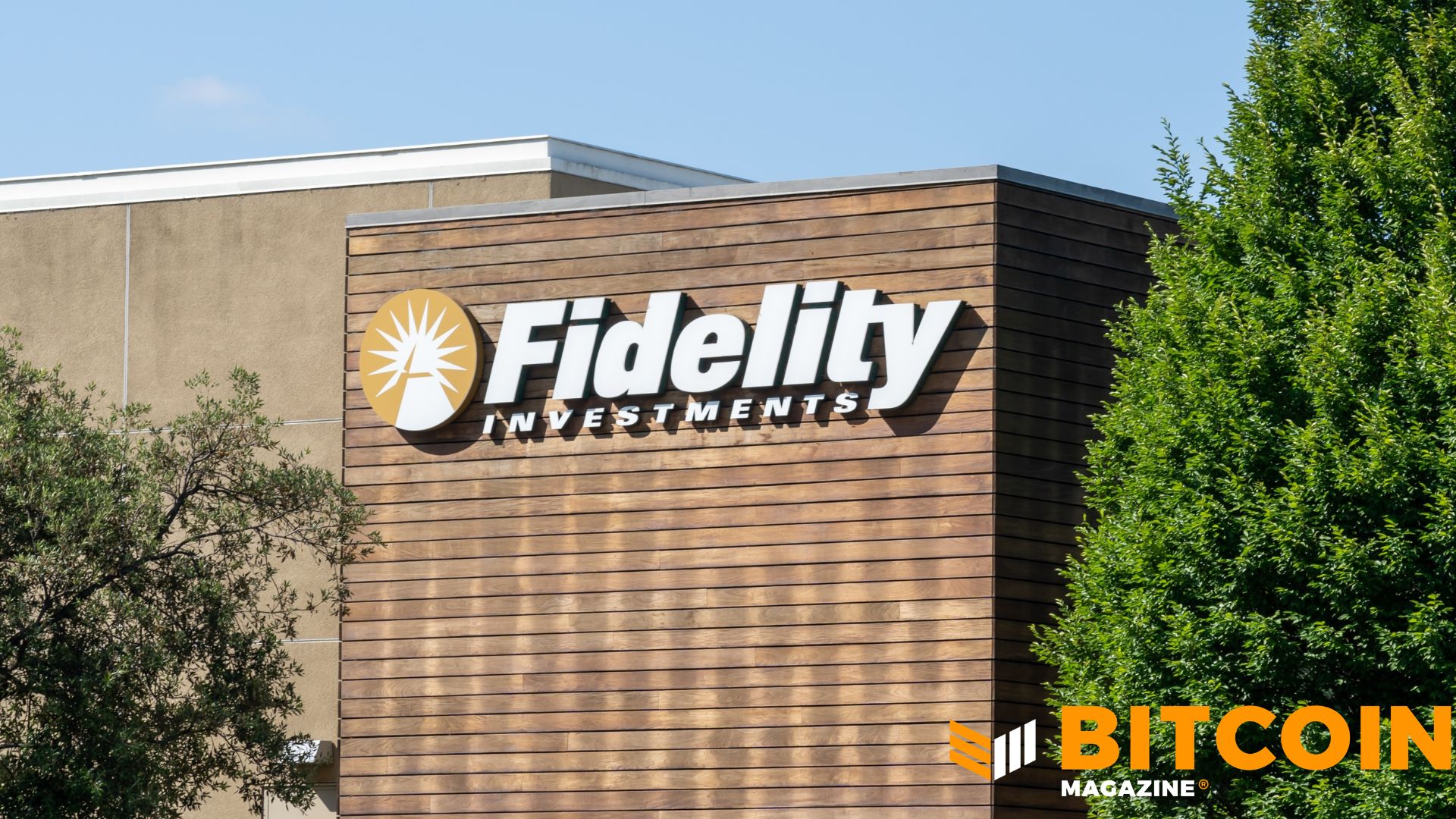
Fidelity Backs Crypto Clarity Act to Boost Digital Asset Markets
💡 Watch $COIN and crypto-adjacent equities for regulatory developments. Key factors include Senate action on stablecoin yields, institutional adoption trends for digital asset exchange-traded funds, and clarity on market structure rules.
Asset manager Fidelity has thrown its support behind the Senate's Clarity Act to establish rules for digital assets. The legislative effort addresses market structure, stablecoin yields, and conflicts of interest among public officials.
What happened: The $7 trillion investment manager Fidelity urged the Senate to pass the latest draft of the Clarity Act, joining several digital asset advocacy groups and the National Fraternal Order of Police. Lawmakers have spent months working on the market structure bill, which recently added a prohibition against government officials and their families issuing or promoting cryptocurrencies.
Who: Fidelity's public policy team pushed for the legislation alongside organizations such as the Crypto Council for Innovation, Blockchain Association, and Digital Chamber. Traditional banking institutions previously clashed over stablecoin yield provisions, causing temporary stalls and policy friction with digital asset firms like Coinbase.
Tickers / sectors: Publicly traded fintech platforms and firms offering digital asset exchange-traded funds, such as COIN, could see structural shifts depending on final rules regarding stablecoin yields and market oversight. Fidelity itself manages major spot Bitcoin investment products that provide regulated exposure via stock exchange-traded shares.
Winners / losers: Digital asset investors and exchange-traded fund providers stand to gain from regulatory certainty that strengthens institutional confidence. Conversely, traditional banking institutions have expressed concerns that high-yielding stablecoins could draw deposits away from standard bank accounts.
What to watch: Monitor upcoming Senate negotiations and committee updates regarding stablecoin yield restrictions, conflict-of-interest rules for officials, and final legislative text changes that could impact digital asset market participation.
Based on reporting from bitcoin-magazine.
Read the full story
Original reporting and related coverage — attribution links only, not paid recommendations.
Trade this story
 Coinbase
 Gemini
 Robinhood
 Webull
Broker buttons use invite / refer-a-friend links (rewards may be capped). Other partner links may pay OppHub America a commission at no extra cost to you.
OppSHOP
Full OppSHOP →Curated tools and reads — shopping here helps keep OppHub America free.
Story playbook
A pre-built map of what to watch — stocks, ETFs, and educational next steps. Not personalized advice.
Snapshot date: July 25, 2026 at 2:18 PM EDT
This playbook was built when the story published and is not live-updated. Prices, news, and risk can change after this date — treat it as a starting map, not a current trade ticket.
Story → money map
crypto regulation
Fidelity is pushing Congress to pass new rules for the cryptocurrency market to make it safer for big financial institutions. This matters for investors because clearer rules could bring in more money or change how digital coins compete with traditional banks.
What changed
Asset manager Fidelity urged the Senate to pass the Clarity Act to set formal market rules for digital assets and stablecoins.
Who wins / who loses
Crypto exchanges and digital asset fund providers benefit from regulatory certainty, while traditional banks face potential deposit competition from regulated stablecoin yields.
Time horizon
Think in terms of the next few months.
Confidence & best fit
medium confidence · Long-term investor, Active trader
Safer theme exposure (ETFs)
Baskets that own the theme without betting on one company.
Single stocks (higher risk)
Primary = closest to the story · Peers = same industry · Second-order = knock-on effects · Avoid = looks related but may be a trap
Primary
- $COINWatch — track, don’t rush
Coinbase operates a major crypto exchange and could see clearer rules help its business grow.
View $COIN chart → · End-of-day delayed data
Second-order
- $FISWatch — track, don’t rush
Traditional financial technology companies must adapt if digital currencies become more widely accepted by big banks.
View $FIS chart → · End-of-day delayed data
Options (education only)
No strikes or expiries — a framework for how traders might express the view. Options can expire worthless.
Options are tricky when waiting on government news. Beginners should skip options here and just watch the news.
See options-friendly brokers →Income / OppHub America angle
Not a trade tip — ways to use the insight outside the market.
- Monitor legislative updates from the Senate Banking Committee regarding stablecoin yield caps.
What would break this thesis
- Senate stalls or completely drops the Clarity Act legislation due to banking industry pushback.
What to do next on OppHub America
Saved playbooks stay on this device for now.
Important
Not financial advice. OppHub America playbooks are educational market maps only — not recommendations to buy, sell, or hold any security. Markets move fast; information can be wrong or outdated. Trade and invest at your own risk. Do your own research or consult a licensed advisor.