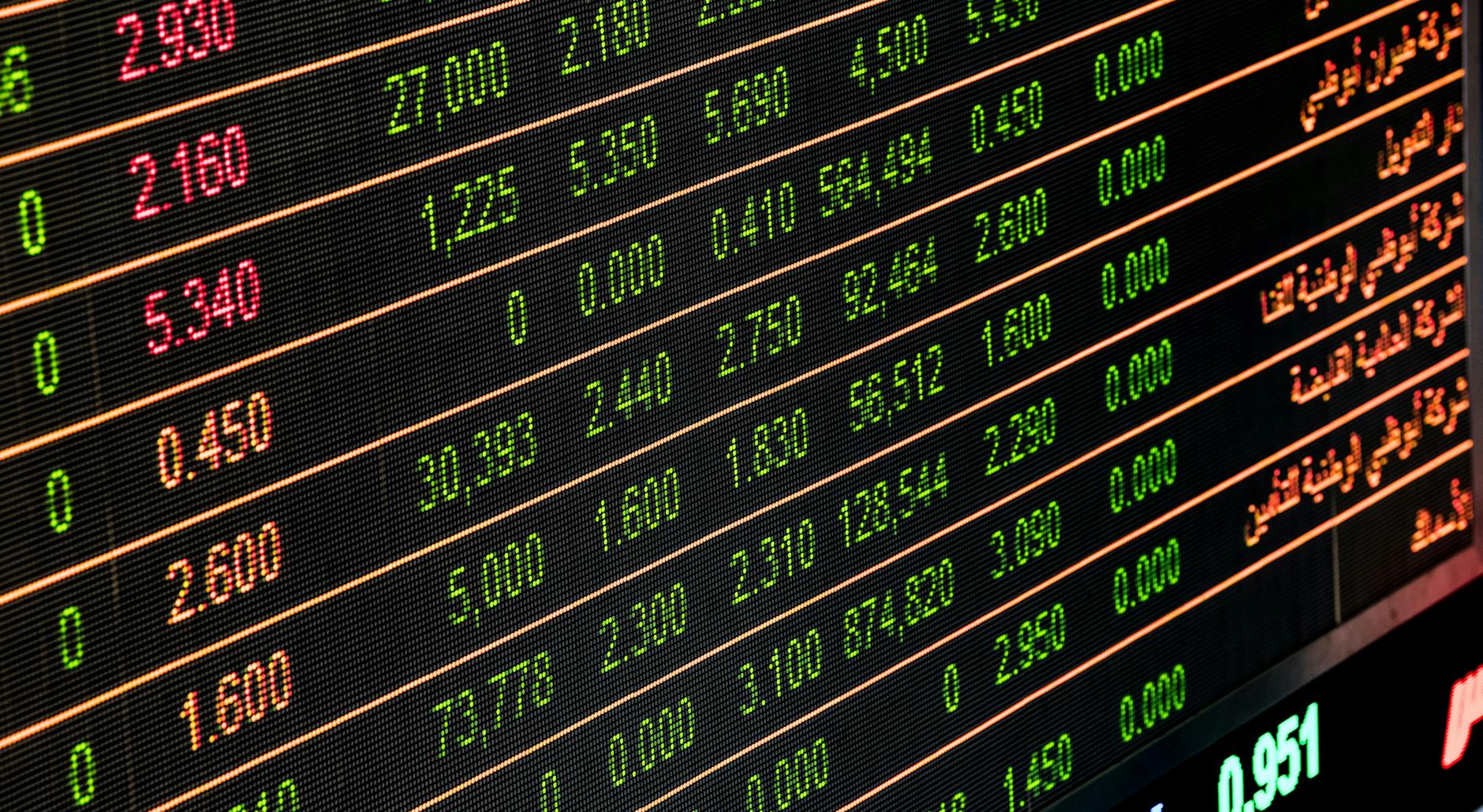
FTSE 100 Dips as US-Iran Tensions Fuel Oil Spike; Burnham Takes Prime Minister Role
💡 • Consider adding exposure to energy and oil majors (e.g., BP, Shell) as they benefit from rising crude prices. • Hedge portfolio risk with commodity ETFs or options tied to oil futures amid ongoing geopolitical tensions. • Watch UK-listed transport and logistics stocks for potential margin pressure from higher fuel costs. • Monitor political shifts under PM Burnham for regulatory changes affecting utilities, energy, and infrastructure investments. • Explore short-term trading opportunities in FTSE 100 volatility via index options or inverse ETFs.
The FTSE 100 edged lower on Monday as escalating conflict between the United States and Iran pushed crude prices sharply higher. Meanwhile, Andy Burnham assumed the role of Prime Minister, adding a layer of political uncertainty for UK markets.
London's benchmark index fell in early trading as geopolitical risks in the Middle East rattled investor sentiment. The FTSE 100's decline was driven primarily by energy sector gains, as oil prices surged on fears of supply disruptions stemming from the US-Iran standoff. Major oil producers listed on the index saw shares rise, but broader market weakness in defensive sectors like utilities and consumer staples pulled the overall index lower.
Crude oil benchmarks posted their largest single-day gains in weeks, with Brent crude topping $85 per barrel. The spike reflects market pricing of potential disruptions to shipping through the Strait of Hormuz, a critical chokepoint for global oil flows. Analysts noted that the rally in energy stocks failed to offset losses in financials and industrials, which are more sensitive to higher fuel costs and geopolitical uncertainty.
In a surprise political development, Andy Burnham became Prime Minister of the United Kingdom, replacing the previous administration. The leadership change introduces near-term policy uncertainty, particularly around energy regulation and fiscal spending. Markets are now watching for any shifts in the UK's stance on Middle East diplomacy and domestic economic priorities.
The combination of rising oil prices and a new prime minister creates a complex backdrop for investors. Higher energy costs could squeeze margins for transport and manufacturing firms, while Burnham's past advocacy for stronger state intervention may signal tighter regulations for certain industries. However, the energy sector itself stands to benefit from sustained elevated crude prices.
Looking ahead, traders will monitor US-Iran diplomatic channels and any official statements from Burnham's cabinet regarding energy policy. The FTSE 100's near-term direction hinges on whether oil stays elevated and how quickly the new government can articulate its economic agenda.
Read the full story
Original reporting and related coverage — attribution links only, not paid recommendations.
Trade this story


Broker buttons use invite / refer-a-friend links (rewards may be capped). Other partner links may pay OppHub a commission at no extra cost to you.
Tools & books on Amazon
Shop Amazon →Relevant gear and reads when you want to go deeper — OppHub may earn from qualifying purchases.
Build My Playbook
Turn this headline into a clear plan: what to watch, how to express it (stocks, ETFs, or options education), and how you’d know you’re wrong — for beginners and active traders. Not personalized advice.
You’ll get theme → ETFs → stocks → options education → side income → kill switches.