OppHub America Desk · · Source: oilprice-main
Hormuz Shipping Slumps Amid U.S.-Iran Tensions
Energy policy shifts and geopolitical tensions, particularly concerning the Strait of Hormuz, can introduce volatility into crude oil prices and energy-related equities. Investors monitoring these developments may consider positions in energy sector exchange-traded funds.
Based on reporting from oilprice-main.
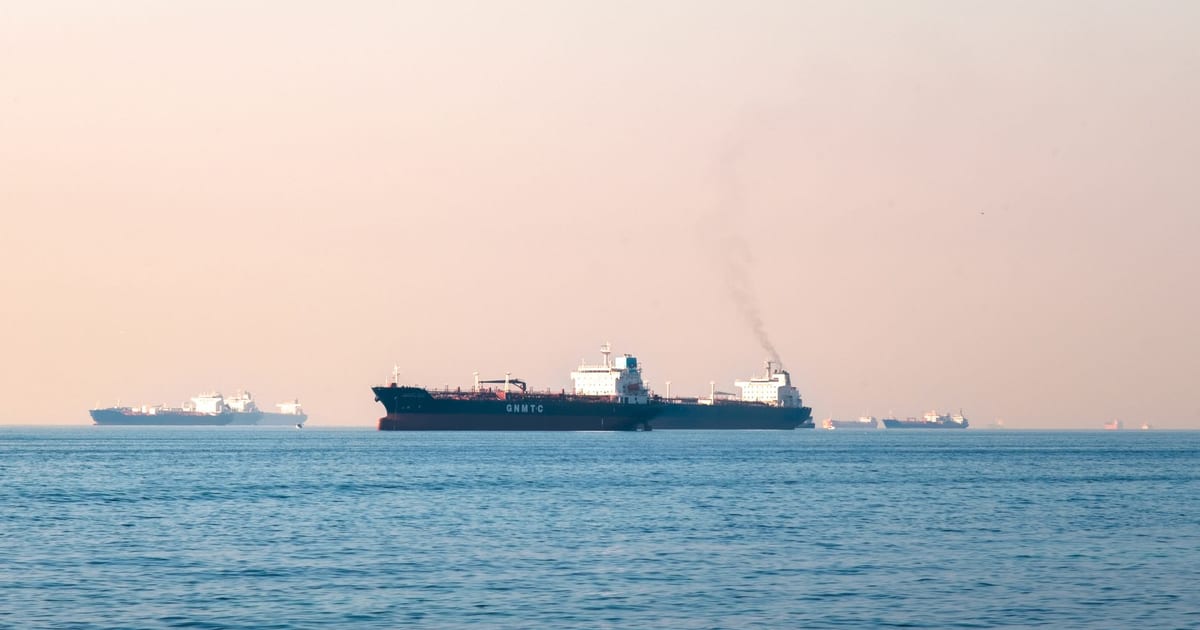
Tanker traffic through the Strait of Hormuz has significantly decreased, with ship-trackers reporting only four crossings on Tuesday, below the ten-day average of 13. This slump coincides with heightened U.S.-Iran tensions, raising concerns about regional oil flows and market stability.
Shares a vertical MP4 loop to your phone's camera roll or app share sheet (Instagram, TikTok, Facebook Reels).
## Catalyst Analysis: Reduced Strait of Hormuz Traffic Ship-tracking data indicates a sharp decline in tanker activity through the Strait of Hormuz, a critical chokepoint for global oil supply. Kpler reported only four tanker crossings on Tuesday, a notable drop from the ten-day average of 13. Windward reported a similar low figure, with four tankers entering and three exiting the strait. This reduced flow occurs amidst escalating U.S.-Iran geopolitical friction, which has historically influenced oil prices and shipping routes.
## Impact on Oil Markets ### Winners, Losers & Uncertainty The slump in Hormuz shipping activity signals potential supply concerns, which could lead to price volatility in crude oil markets. While specific bypass volumes suggest Persian Gulf oil flows might remain above pre-war levels according to some analysts, uncertainties persist. Ship-trackers have noted more modest flow estimates, underscoring the difficulty in obtaining precise real-time data. The fluctuating nature of these numbers emphasizes the need to consider longer-term averages rather than single-day figures for a clearer picture of oil transit.
### Risk Watch — Geopolitical and Supply Chain President Trump's remarks on controlling the Hormuz Strait and the collapsing Iranian economy highlight the heightened geopolitical stakes. The situation poses a risk to the stability of global energy supplies, potentially impacting commodity prices and impacting sectors reliant on consistent oil imports. Investors and traders will be closely monitoring any further escalations or de-escalations between the U.S. and Iran, as well as official statements from energy ministries and international maritime organizations.
Read the full story
Original reporting and related coverage — attribution links only, not paid recommendations.
Trade this story
 Robinhood
 Webull
 Tradier
 IBKR
IBKR
Chart this story
 TradingView
Broker and exchange buttons use invite / refer-a-friend links (rewards may be capped). Charting links (TradingView) are partner offers that may pay OppHub America a commission at no extra cost to you.
OppSHOP
Full OppSHOP →As an Amazon Associate, OppHub America earns from qualifying purchases. Shopping here helps keep the site free — at no extra cost to you. Disclosure

OppSHOP
Related to this story
Energy policy shifts and geopolitical tensions, particularly concerning
Shop related →

Investing books
Read the classics
Shop this pick →

Personal finance books
Run the household books
Shop this pick →

Trading notebooks
Write the thesis first
Shop this pick →

Monitor for charts
See every pane
Shop this pick →
Based on reporting from oilprice-main.
Informational and educational only — not investment, financial, or legal advice. Disclosure
Shares a vertical MP4 loop to your phone's camera roll or app share sheet (Instagram, TikTok, Facebook Reels).