Barry, OppHub America Desk · · Source: aljazeera-english
Trump Rejects Iran Seven-Day Strait of Hormuz Roadmap
Tariffs, tax, energy, and deregulation move mega-cap tech, banks, energy, and industrials.
Based on reporting from aljazeera-english.
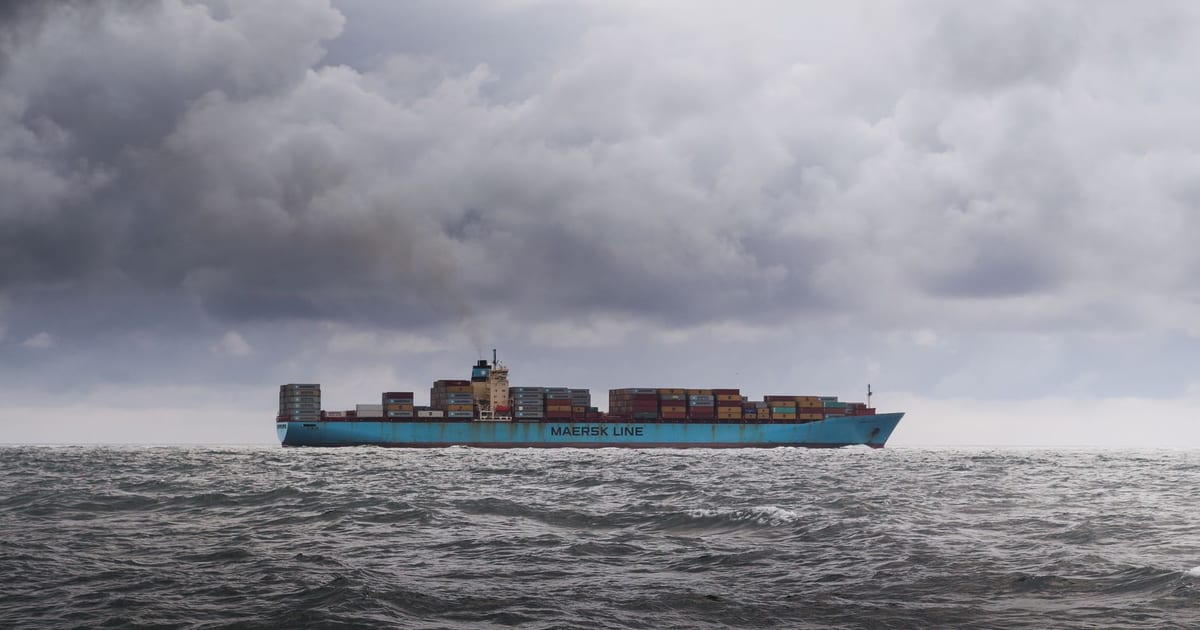
U.S. President Donald Trump rejected a seven-day diplomatic roadmap submitted by Iran via Qatar to reopen the Strait of Hormuz and resume nuclear talks, leaving vital oil shipping lanes in limbo on Saturday, September 26, 2026. Traders tracking global energy corridors and geopolitical risk face continued supply uncertainty as diplomatic channels stall.
Shares a vertical MP4 loop to your phone's camera roll or app share sheet (Instagram, TikTok, Facebook Reels).
### Money Play Tariffs, tax, energy, and deregulation move mega-cap tech, banks, energy, and industrials.
## Catalyst Analysis: What Changed - Rule/order/vote/filing — absolute effective dates: On Saturday, September 26, 2026, U.S. President Donald Trump publicly rejected an Iranian roadmap delivered via mediator Qatar. - The proposal outlined by Iranian Foreign Minister Abbas Araghchi on Friday sought to reopen the Strait of Hormuz, lift naval blockades on Iranian ports, release an estimated $12bn in frozen Iranian assets, and observe a ceasefire within seven days in exchange for resuming nuclear talks. - President Trump stated outside the White House that he rejected the terms, asserting that Iran wants a deal because they are losing, while describing the offered terms as unacceptable. - Al Jazeera reporting confirmed that the diplomatic overture appears dead in the water amid deep skepticism from Washington regarding Tehran's long-term commitments.
## Impact on Mapped Tickers / Sectors Global crude oil supply lines and geopolitical risk sentiment remain primary focal points for institutional portfolios as the Strait of Hormuz stays central to the ongoing standoff. Energy markets continue to price in friction surrounding maritime passage through the vital waterway.
### Winners, Uncertainties & Risk Watch - Legal and political timeline risks remain elevated with U.S. midterms approaching and no immediate diplomatic resolution in sight. - Market participants continue to weigh the persistence of the geopolitical deadlock against broader macroeconomic drivers. - Downside risks persist for energy shipping logistics and regional stability as the status quo of limbo persists.
Read the full story
Original reporting and related coverage — attribution links only, not paid recommendations.
Trade this story
 Robinhood
 Webull
 Tradier
 IBKR
IBKR
Chart this story
 TradingView
Broker and exchange buttons use invite / refer-a-friend links (rewards may be capped). Charting links (TradingView) are partner offers that may pay OppHub America a commission at no extra cost to you.
OppSHOP
Full OppSHOP →As an Amazon Associate, OppHub America earns from qualifying purchases. Shopping here helps keep the site free — at no extra cost to you. Disclosure

OppSHOP
Related to this story
Tariffs, tax, energy, and deregulation move mega-cap tech, banks, energy
Shop related →

Investing books
Read the classics
Shop this pick →

Personal finance books
Run the household books
Shop this pick →

Trading notebooks
Write the thesis first
Shop this pick →
Monitor for charts
See every pane
Shop this pick →
Story playbook
A pre-built map of what to watch — stocks, ETFs, and educational next steps. Not personalized advice.
Snapshot date: September 26, 2026 at 1:08 PM ET
This playbook was built when the story published and is not live-updated. Prices, news, and risk can change after this date — treat it as a starting map, not a current trade ticket.
Story → money map
oil supply
The U.S. turned down a deal from Iran to reopen a vital oil shipping lane, which means energy markets are worried about oil supplies running low. When oil supplies are uncertain, the price of fuel and energy stocks tend to react strongly.
What changed
President Trump rejected an Iranian diplomatic roadmap to reopen the Strait of Hormuz and resume nuclear talks.
Who wins / who loses
Traditional oil producers and defense contractors benefit from heightened supply risks, while airlines, transport companies, and consumers face higher fuel costs.
Time horizon
Think in terms of the next few weeks.
Confidence & best fit
medium confidence · Active trader
Safer theme exposure (ETFs)
Baskets that own the theme without betting on one company.
- $USO — A fund that tracks the direct price of oil, letting you follow energy costs without buying a single oil company.
- $XLE — A basket of many different energy companies, which is safer than betting on just one single company.
- $ITA — A basket of defense stocks that tends to perform well when global security tensions increase.
Single stocks (higher risk)
Primary = closest to the story · Peers = same industry · Second-order = knock-on effects · Avoid = looks related but may be a trap
Primary
- $XOMWatch — track, don’t rush
Big oil companies often see their stock rise when oil supplies are threatened and prices go up.
View $XOM chart → · End-of-day delayed data
- $CVXWatch — track, don’t rush
Another giant oil company that benefits when energy markets get nervous about supply lines.
View $CVX chart → · End-of-day delayed data
Second-order
- $LMTWatch — track, don’t rush
Defense companies often see more interest from investors when political tensions rise overseas.
View $LMT chart → · End-of-day delayed data
Options (education only)
No strikes or expiries — a framework for how traders might express the view. Options can expire worthless.
Direction: volatile · Style: Protective put / downside hedge idea · Level: intermediate
Options can be used like insurance policies to protect your investments if oil prices jump, but beginners should skip them due to complexity.
Income / OppHub America angle
Not a trade tip — ways to use the insight outside the market.
- Monitor local fuel pump prices and downstream consumer discretionary stocks for margin compression.
What would break this thesis
- Sudden resumption of diplomatic talks or a surprise agreement to reopen the Strait of Hormuz.
What to do next on OppHub America
Saved playbooks stay on this device for now.
Important
Not financial advice. OppHub America playbooks are educational market maps only — not recommendations to buy, sell, or hold any security. Markets move fast; information can be wrong or outdated. Trade and invest at your own risk. Do your own research or consult a licensed advisor.
Based on reporting from aljazeera-english.
Informational and educational only — not investment, financial, or legal advice. Disclosure
Shares a vertical MP4 loop to your phone's camera roll or app share sheet (Instagram, TikTok, Facebook Reels).