Barry, OppHub America Desk · · Source: bbc-world
US-Iran Conflict: Stalemate Persists as Sanctions Bite
Given the persistent geopolitical tensions, investors focused on energy markets should monitor the Strait of Hormuz for potential disruptions impacting oil prices. The ongoing economic blockade against Iran and its trading partners may present challenges for businesses with exposure to the region.
Based on reporting from bbc-world.
The US-Iran conflict shows no signs of imminent resolution, with both sides exchanging strikes and unyielding rhetoric. A June Memorandum of Understanding meant to secure a permanent ceasefire has expired, leaving a strategic stalemate where the U.S. employs economic pressure and periodic military targeting. Investors monitoring geopolitical risk should watch for shifts in oil prices and regional stability.

Shares a vertical MP4 loop to your phone's camera roll or app share sheet (Instagram, TikTok, Facebook Reels).
## Catalyst Analysis: US-Iran Conflict Stalemate
The conflict between the United States and Iran appears to be in a prolonged stalemate, with no clear path to an agreement and both nations engaged in ongoing military and economic exchanges. A Memorandum of Understanding signed in June, intended to lead to a permanent ceasefire within 60 days, has since expired. The U.S. strategy currently involves a broad economic blockade against Iran and its trading partners, aiming to force negotiations. However, experts suggest Iran is prepared for continued economic pressure and proportionate responses to U.S. actions, without yielding to demands.
## Impact on Global Markets
### Winners, Losers & Uncertainty
Uncertainty in the US-Iran conflict poses a risk to global oil markets due to Iran's ability to disrupt shipping in the Strait of Hormuz. While U.S. forces have so far managed to maintain a sufficient flow of oil to avert immediate price shocks, any escalation could lead to significant price volatility. The effectiveness of U.S. sanctions is also debated, with China, Russia, and other trading partners less likely to fully support unilateral U.S. measures.
### Risk Watch — Legal/Timeline
The absence of a clear resolution strategy from the U.S. White House and Iran's potential demand for high concessions create an environment of persistent geopolitical risk. The conflict, which entered its seventh month in February 2026, shows no immediate signs of de-escalation. The U.S. administration appears content with maintaining a blockade and periodic targeting, while Iran is observed to be waiting for U.S. concessions or a return to the previous MoU. The lack of definitive U.S. strategic objectives contributes to the ongoing uncertainty.
Read the full story
Original reporting and related coverage — attribution links only, not paid recommendations.
Trade this story
 Robinhood
 Webull
 Tradier
 IBKR
IBKR
Chart this story
 TradingView
Broker and exchange buttons use invite / refer-a-friend links (rewards may be capped). Charting links (TradingView) are partner offers that may pay OppHub America a commission at no extra cost to you.
OppSHOP
Full OppSHOP →As an Amazon Associate, OppHub America earns from qualifying purchases. Shopping here helps keep the site free — at no extra cost to you. Disclosure
OppSHOP
Related to this story
Given the persistent geopolitical tensions, investors focused on energy
Shop related →

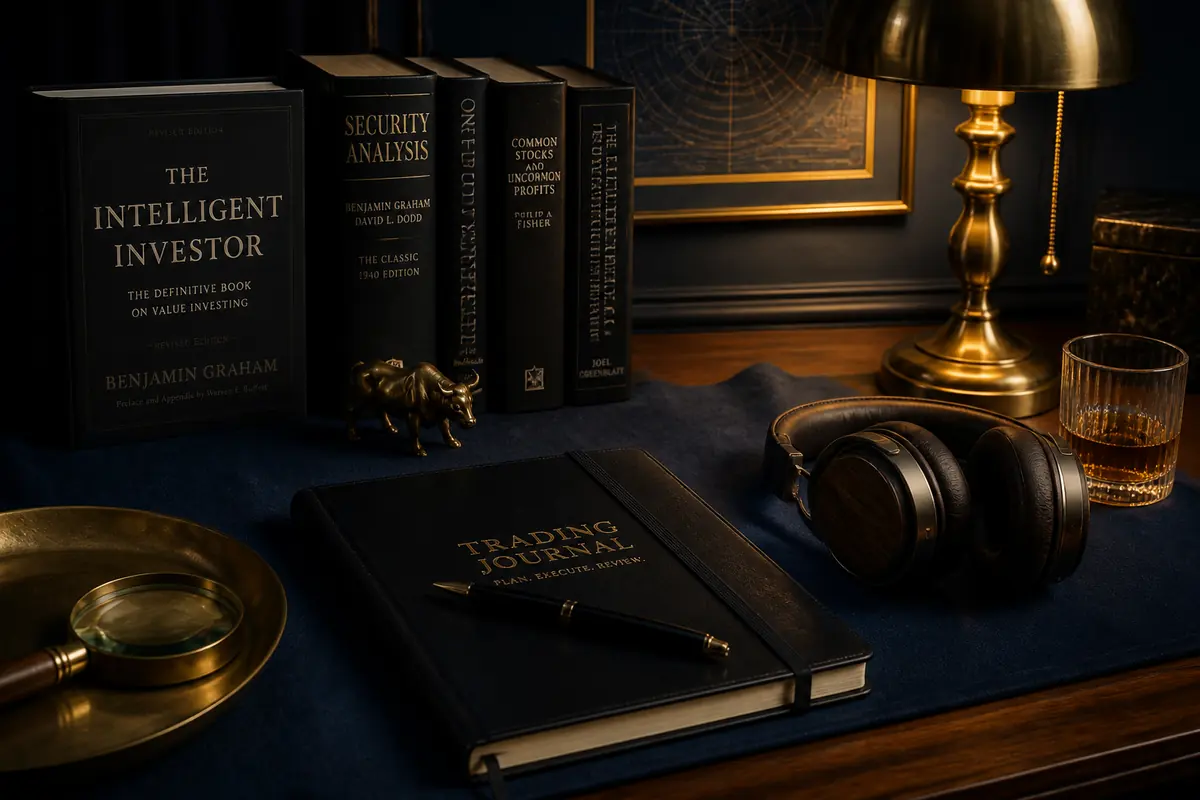
Investing books
Read the classics
Shop this pick →

Personal finance books
Run the household books
Shop this pick →

Trading notebooks
Write the thesis first
Shop this pick →
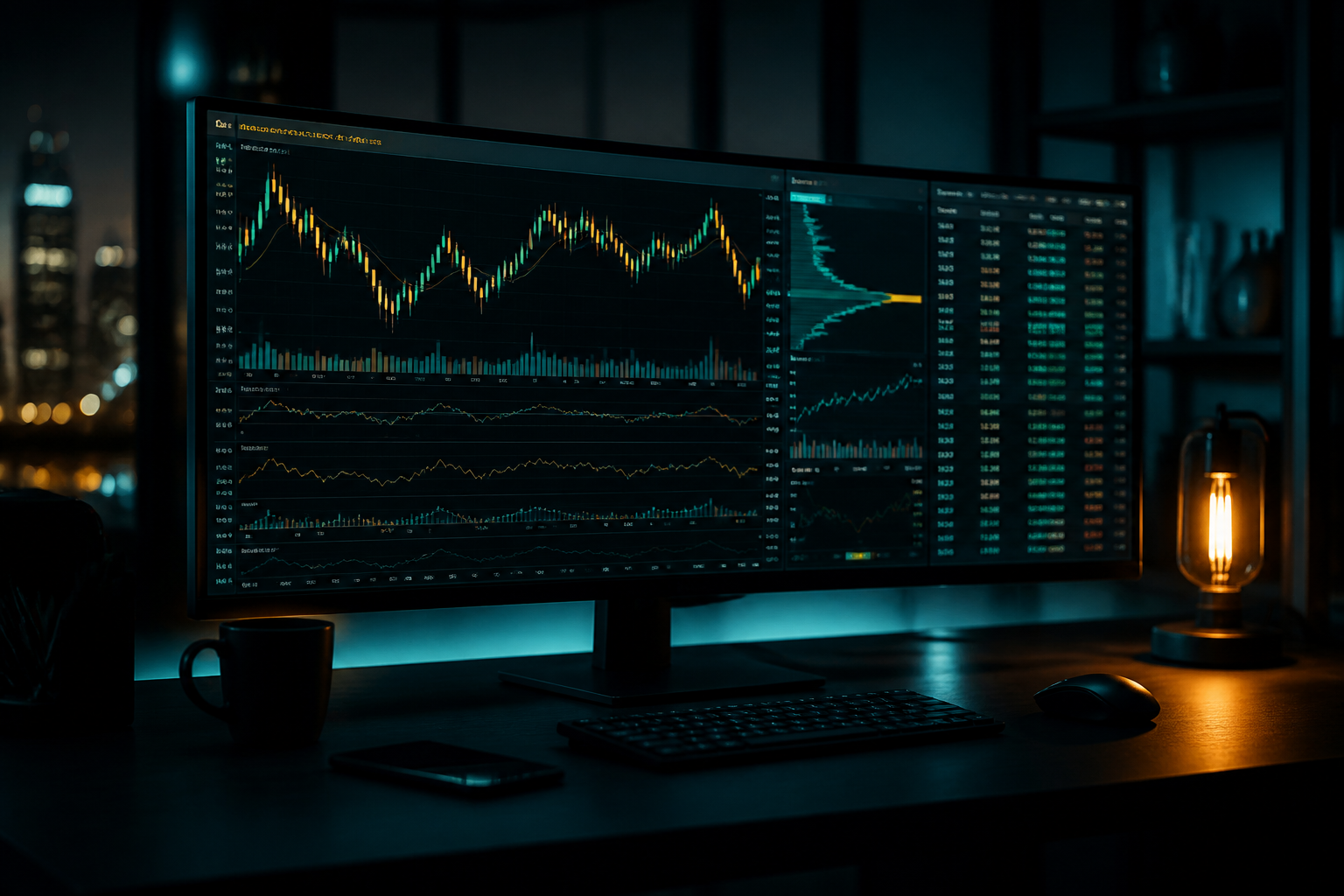
Monitor for charts
See every pane
Shop this pick →
Story playbook
A pre-built map of what to watch — stocks, ETFs, and educational next steps. Not personalized advice.
Snapshot date: September 4, 2026 at 6:08 AM ET
This playbook was built when the story published and is not live-updated. Prices, news, and risk can change after this date — treat it as a starting map, not a current trade ticket.
Story → money map
geopolitical oil risk
Tensions between the US and Iran have hit a standstill after a peace agreement fell apart, keeping pressure on the oil market. People with money in energy markets care because any escalation could cause sudden spikes in gasoline and oil prices.
What changed
The June ceasefire memorandum between the U.S. and Iran has expired, solidifying a prolonged strategic stalemate backed by ongoing economic blockades.
Who wins / who loses
Traditional energy producers and defense contractors may benefit from heightened risk premiums, while airlines and global trade companies face higher fuel and shipping uncertainty.
Time horizon
Think in terms of the next few weeks.
Confidence & best fit
medium confidence · Active trader
Safer theme exposure (ETFs)
Baskets that own the theme without betting on one company.
Single stocks (higher risk)
Primary = closest to the story · Peers = same industry · Second-order = knock-on effects · Avoid = looks related but may be a trap
Primary
- $XOMWatch — track, don’t rush
Big oil companies often see their stock move higher when conflicts threaten global oil supplies.
View $XOM chart → · End-of-day delayed data
Second-order
- $RTXWatch — track, don’t rush
Defense companies make equipment used by the military, which tends to get more funding during ongoing conflicts.
View $RTX chart → · End-of-day delayed data
Avoid / trap
- $DALStay away — for now
Airlines lose money when oil prices shoot up because fuel is one of their biggest expenses.
View $DAL chart → · End-of-day delayed data
Options (education only)
No strikes or expiries — a framework for how traders might express the view. Options can expire worthless.
Direction: volatile · Style: Protective put / downside hedge idea · Level: intermediate
Beginners should skip options here; buying insurance against sudden market drops can be expensive and tricky to time correctly.
Income / OppHub America angle
Not a trade tip — ways to use the insight outside the market.
- Monitor global shipping freight rates and regional logistics providers for cost pass-throughs.
What would break this thesis
- A formal diplomatic breakthrough or reinstated permanent ceasefire between the U.S. and Iran.
What to do next on OppHub America
Saved playbooks stay on this device for now.
Important
Not financial advice. OppHub America playbooks are educational market maps only — not recommendations to buy, sell, or hold any security. Markets move fast; information can be wrong or outdated. Trade and invest at your own risk. Do your own research or consult a licensed advisor.
Based on reporting from bbc-world.
Informational and educational only — not investment, financial, or legal advice. Disclosure
Shares a vertical MP4 loop to your phone's camera roll or app share sheet (Instagram, TikTok, Facebook Reels).