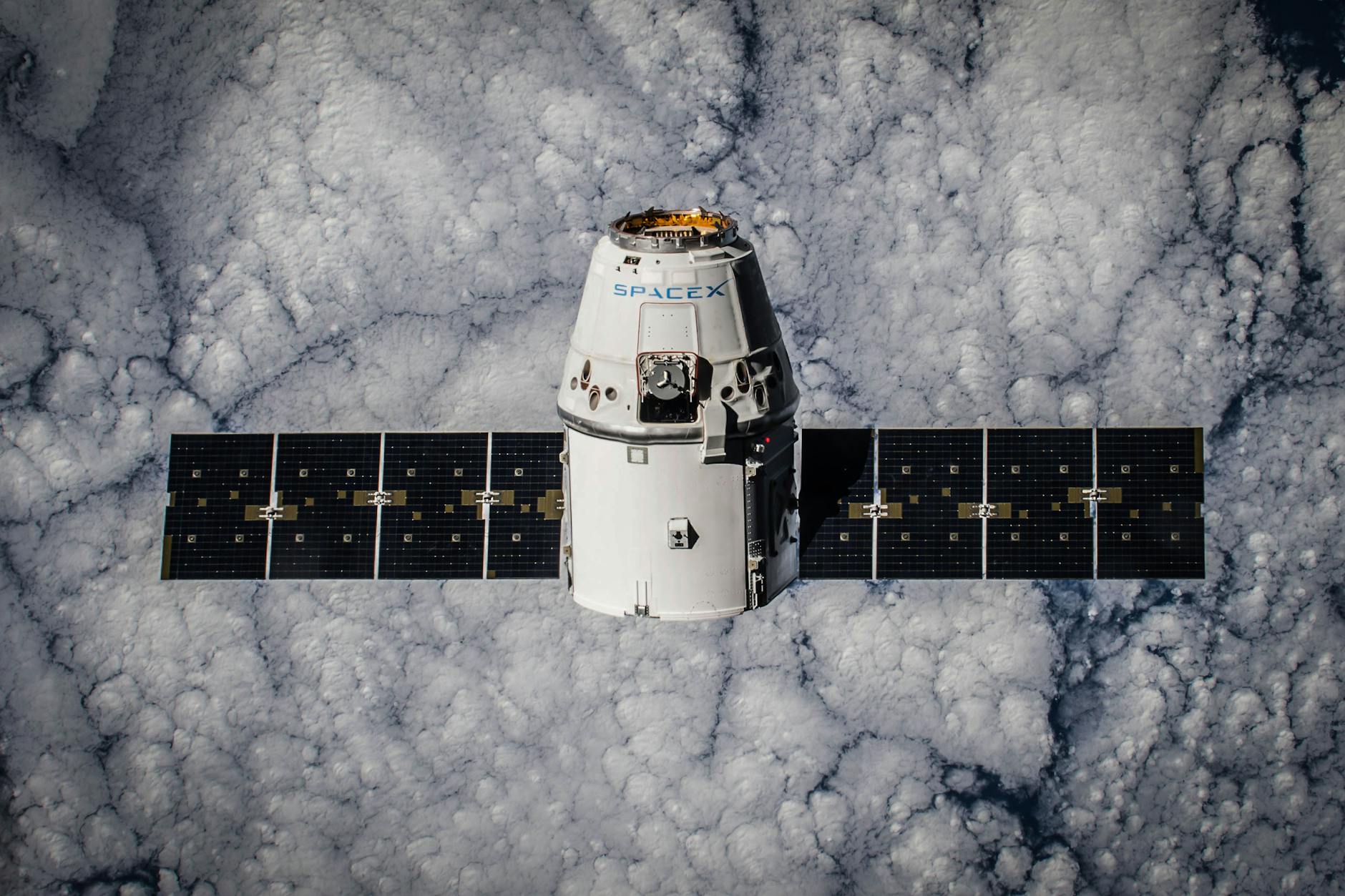
Goes-19 Weather Satellite Malfunction Spells Risks and Opportunities for Investors
💡 Actionable money moves: - Monitor insurance stocks (e.g., Allstate, Progressive) for potential premium hikes due to data gaps. - Long on satellite servicing companies (e.g., Northrop Grumman's MEV division) if repair extends beyond 30 days. - Short crypto mining equities if satellite downtime causes unexpected grid price spikes in ERCOT. - Buy weather data analytics firms (e.g., DTN, Weather Underground) as interim demand rises. - Check NOAA procurement announcements for accelerated satellite replacement contracts.
NOAA's Goes-19 weather satellite has entered a safe hold mode, disrupting critical weather data streams. Investors in insurance, agriculture, and aerospace sectors should monitor repair timelines as satellite downtime could affect pricing and contracts.
The Goes-19 weather satellite, operated by the National Oceanic and Atmospheric Administration (NOAA), has entered a protective safe hold mode as of July 16, 2026, according to a statement from the Space Weather Prediction Center. This mode halts all normal data collection and transmission, though the satellite remains under ground control for diagnostics. The malfunction disrupts a key asset in the U.S. fleet of geostationary satellites used for real-time weather monitoring and space weather alerts.
Investors with exposure to weather-dependent industries—particularly insurance, agriculture, and energy—should assess the potential for delayed or degraded forecast data. Insurance underwriters rely on accurate storm tracking to set premiums; a gap in coverage from Goes-19 could lead to higher loss estimates and upward pressure on rates. Agricultural firms, especially those in the Great Plains and Gulf Coast regions, depend on satellite data for crop-yield predictions and planting schedules; any interruption may force reliance on alternative, possibly less precise, sources.
For aerospace and defense contractors, the incident highlights both risk and opportunity. Lockheed Martin, which built the satellite bus for NOAA, may face scrutiny over system reliability, while companies specializing in satellite servicing or backup weather observation systems could see increased government interest. The safe hold mode does not indicate a total loss, but repair or replacement timelines will be critical—extended downtime could accelerate funding for the Goes-R series next-generation satellite.
Crypto and data analytics sectors may also feel ripple effects. Crypto mining operations, particularly in Texas, rely on weather data for grid load management; inaccurate forecasts could raise electricity cost volatility. Meanwhile, firms offering satellite data analytics or weather derivatives (e.g., alternative data providers) might gain short-term clients seeking alternative data streams.
Beyond immediate sector impacts, the incident serves as a reminder of infrastructure vulnerability. Investors should watch for NOAA's next update on troubleshooting progress, as any suggestion of hardware failure could shift defense budgets toward satellite redundancy programs. Conversely, a quick recovery would likely reduce market anxiety and stabilize insurance and energy contracts.
Read the full story
Original reporting and related coverage — attribution links only, not paid recommendations.
Trade this story


Broker buttons use invite / refer-a-friend links (rewards may be capped). Other partner links may pay OppHub a commission at no extra cost to you.
Tools & books on Amazon
Shop Amazon →Relevant gear and reads when you want to go deeper — OppHub may earn from qualifying purchases.
Build My Playbook
Turn this headline into a clear plan: what to watch, how to express it (stocks, ETFs, or options education), and how you’d know you’re wrong — for beginners and active traders. Not personalized advice.
You’ll get theme → ETFs → stocks → options education → side income → kill switches.