Market context for this story
Loading quotes…
Informational only — not investment advice. Full markets →
Google and Tesla Lose $500B Combined as Suppliers Profit
💡 Actionable insights: - Monitor the stock performance of companies that supply semiconductors, batteries, and cloud infrastructure to Google and Tesla for potential buying opportunities. - Consider short-term trades or hedges using inverse ETFs targeting mega-cap tech if the rotation continues. - Watch upcoming earnings reports from supplier firms for signs of sustained demand that could outpace their larger clients.
This week, Google and Tesla collectively lost half a trillion dollars in market value. Meanwhile, their suppliers saw gains, benefiting from the selloff. The divergence highlights shifting investor sentiment and supply chain dynamics.
According to Yahoo Finance, the combined market capitalization losses for Google and Tesla exceeded half a trillion dollars during the past week. The decline was notable for its scale, erasing hundreds of billions in shareholder value from two of the most prominent tech names. At the same time, many of their key suppliers posted stock price increases, suggesting a rotation of capital out of the mega-cap companies and into the businesses that support them.
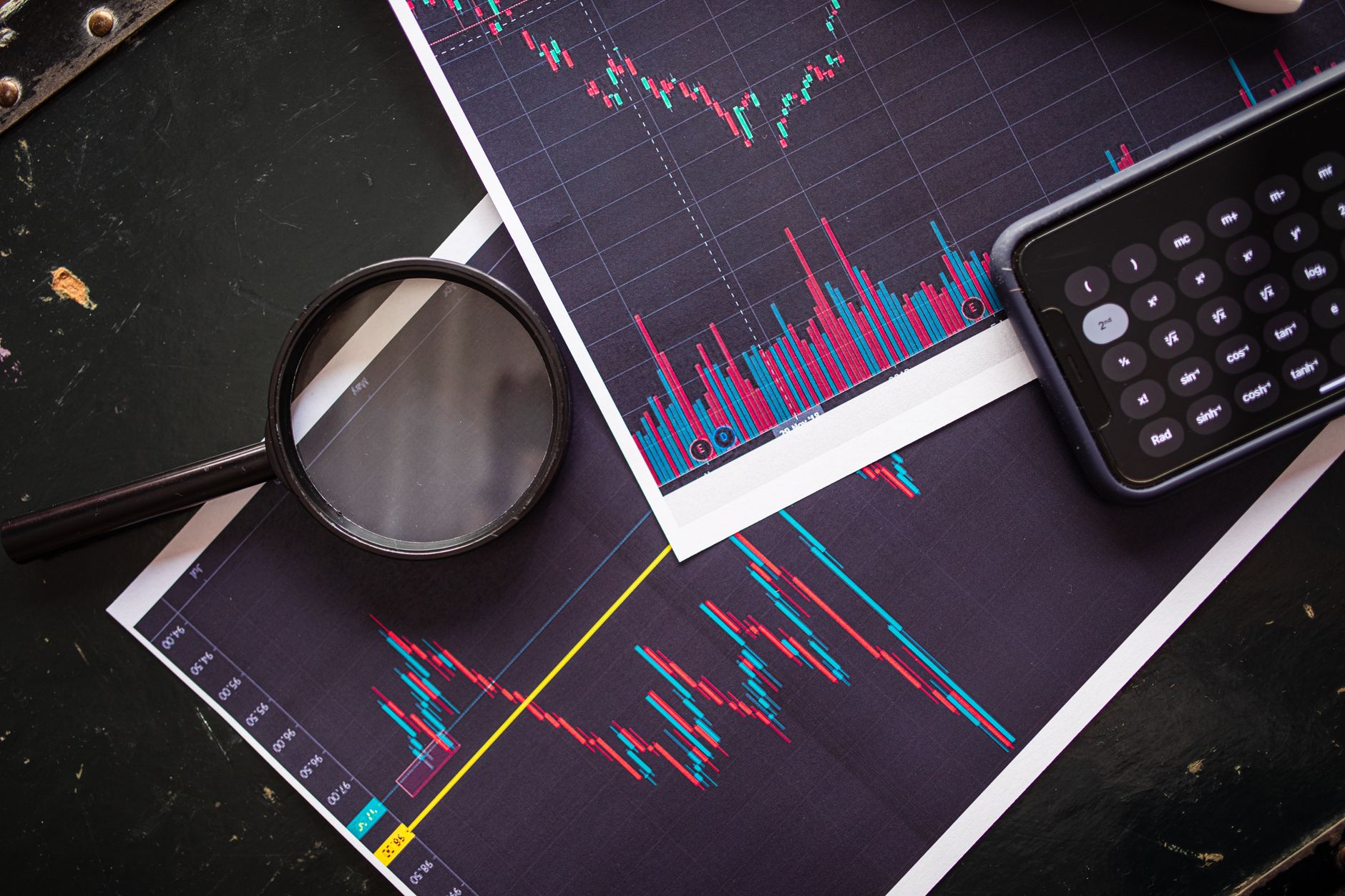
The supplier gains were documented in a chart of the day feature, which illustrated the inverse relationship between the tech giants' drop and their supply chain partners' rise. While the specific suppliers were not named in the headline, the trend points to investors finding opportunity in the components and services firms that provide critical inputs to Google and Tesla's operations. This pattern often occurs when market participants anticipate that suppliers will benefit more directly from near-term demand or cost advantages than the larger original equipment manufacturers.
For Google, a potential catalyst could be advertising revenue slowdowns or increased regulatory pressure, while Tesla faces questions about electric vehicle demand and margins. Suppliers, particularly in semiconductors, batteries, and other specialty parts, may have been lifted by their own positive earnings reports or forward guidance that contrasted with the headwinds faced by their customers. The divergence underscores how supply chain companies can sometimes act as a hedge against weakness in their largest clients.
The half-trillion-dollar figure represents a dramatic redistribution of market wealth in a single week. Investors who recognized the undercurrents early could have profited by shorting the giants or by buying supplier stocks. As the week closed, the question remains whether this is a temporary rotation or the start of a longer-term trend where suppliers outperform their mega-cap customers.
Based on reporting from yahoo-finance.
Read the full story
Original reporting and related coverage — attribution links only, not paid recommendations.
Trade this story
 Robinhood
 Webull
 Tradier
 IBKR
IBKR
- Chart on TradingView — $15 off your next plan →
- SAT-ACT prep with Growth Wise →
- Shop on Amazon →
- Research with Morningstar Investor →
Broker buttons use invite / refer-a-friend links (rewards may be capped). Other partner links may pay OppHub America a commission at no extra cost to you.
OppSHOP
Full OppSHOP →Curated tools and reads — shopping here helps keep OppHub America free.
Story playbook
A pre-built map of what to watch — stocks, ETFs, and educational next steps. Not personalized advice.
Snapshot date: July 25, 2026 at 10:58 AM EDT
This playbook was built when the story published and is not live-updated. Prices, news, and risk can change after this date — treat it as a starting map, not a current trade ticket.
Story → money map
mega-cap tech rotation
Two of the biggest tech companies lost a huge amount of money this week as investors moved their cash elsewhere. However, the smaller companies that build parts and provide services for them actually went up in value.
What changed
A massive $500 billion loss in market value for Google and Tesla triggered a capital rotation into their supply chain vendors.
Who wins / who loses
Semiconductor, battery, and component suppliers win from capital rotation while mega-cap tech giants lose ground.
Time horizon
Think in terms of the next few weeks.
Confidence & best fit
medium confidence · Active trader
Safer theme exposure (ETFs)
Baskets that own the theme without betting on one company.
Single stocks (higher risk)
Primary = closest to the story · Peers = same industry · Second-order = knock-on effects · Avoid = looks related but may be a trap
Primary
- $TSLAWatch — track, don’t rush
Tesla is struggling with falling car demand, causing investors to look elsewhere.
View $TSLA chart → · End-of-day delayed data
- $GOOGLWatch — track, don’t rush
Google is dealing with pressure on its ad revenue and government rules, hurting its stock price.
View $GOOGL chart → · End-of-day delayed data
Second-order
- $NVDABuild slowly — only if it fits your plan
As a top chip maker that supplies tech giants, it captures the money flowing out of mega-caps.
View $NVDA chart → · End-of-day delayed data
Options (education only)
No strikes or expiries — a framework for how traders might express the view. Options can expire worthless.
Direction: bearish · Style: Protective put / downside hedge idea · Level: intermediate
Think of this like buying insurance on your tech stocks just in case they keep dropping. Beginners should skip this and stick to simple stock or ETF investing.
Income / OppHub America angle
Not a trade tip — ways to use the insight outside the market.
- Research independent auto-part and electronic component distributors that report strong forward guidance.
What would break this thesis
- A sharp rebound in mega-cap tech earnings that reverses the capital rotation back into Google and Tesla.
What to do next on OppHub America
Saved playbooks stay on this device for now.
Important
Not financial advice. OppHub America playbooks are educational market maps only — not recommendations to buy, sell, or hold any security. Markets move fast; information can be wrong or outdated. Trade and invest at your own risk. Do your own research or consult a licensed advisor.