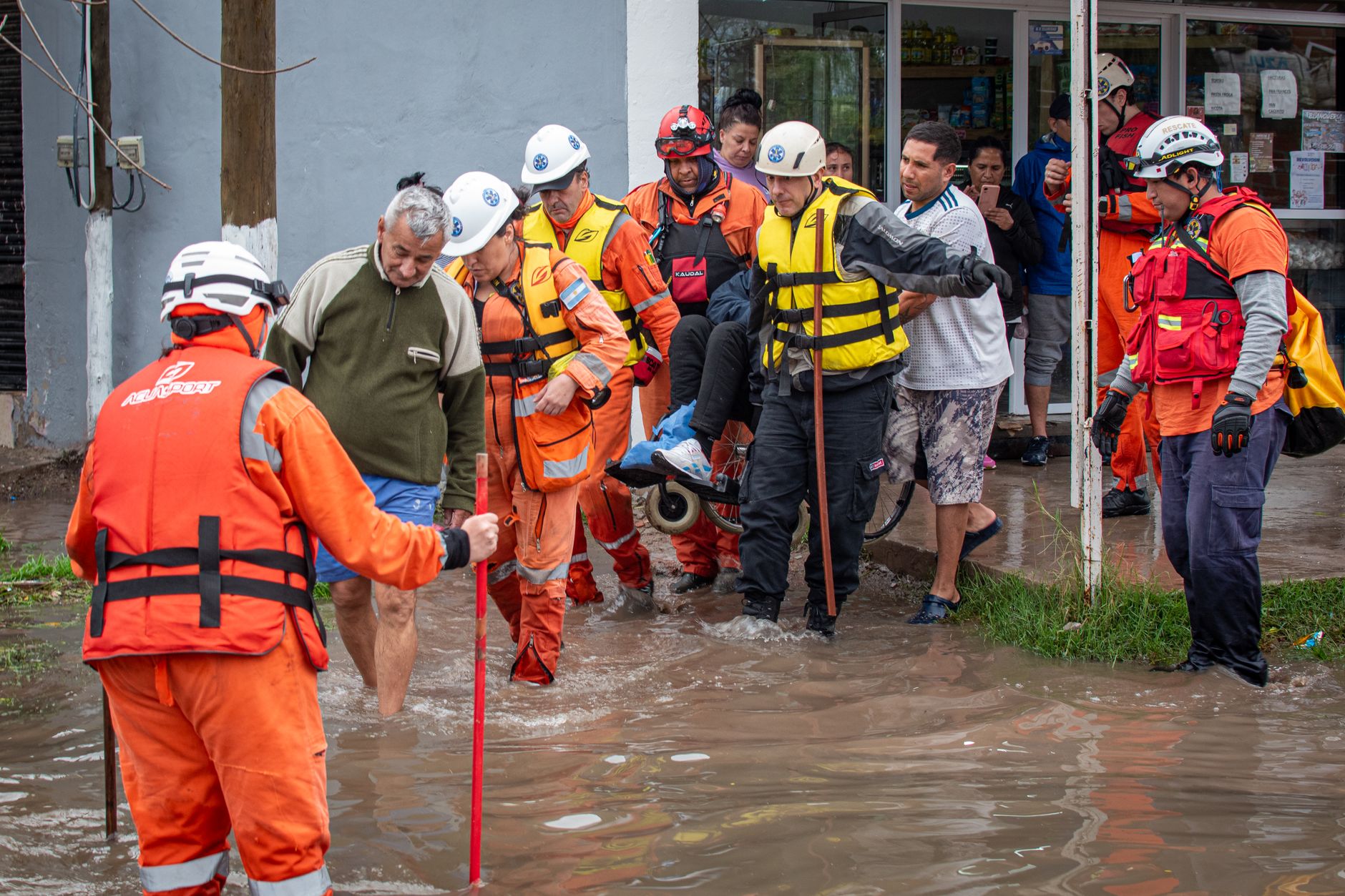
Heavy Rain Triggers Flooding and Evacuations in Chile, State of Catastrophe Declared
💡 - Monitor copper futures for price spikes due to potential mining disruptions in Coquimbo. - Look for opportunities in construction and infrastructure stocks that may benefit from rebuilding contracts. - Assess insurance sector exposure to weather-related claims; premiums may rise in affected areas. - Real estate investors should evaluate flood risk for coastal and riverfront properties in Chile. - Side hustle: Offer remote disaster recovery consulting or logistics coordination services for relief efforts.
Intense rainfall has caused widespread flooding and forced evacuations in Chile's Coquimbo and Huasco regions. Authorities have declared a state of catastrophe as the situation unfolds. The disaster may disrupt local economies and key industries, presenting both risks and opportunities for investors.
A powerful storm system has drenched northern Chile, leading to severe flooding and the evacuation of residents in the Coquimbo and Huasco areas. The government responded by declaring a 'state of catastrophe,' a legal designation that unlocks emergency resources and facilitates faster disaster response. The heavy rain, which began on July 21, 2026, has overwhelmed drainage systems, submerged roads, and damaged homes, with emergency crews working to rescue stranded individuals. The declaration allows authorities to deploy military support and impose curfews if needed to maintain order. While the immediate focus remains on saving lives and protecting property, the economic repercussions are already being felt. Chile is a major global producer of copper, and the Coquimbo region hosts significant mining operations. Flooding can disrupt transport routes, power supplies, and mine access, potentially tightening copper supply and lifting prices. Agricultural sectors in the affected valleys, including fruit and wine production, may also face crop losses and infrastructure damage. In the aftermath, reconstruction efforts will likely spur demand for construction materials, heavy equipment, and engineering services. Investors should watch for price movements in copper futures and consider exposure to infrastructure and building materials companies. The catastrophe also highlights the growing frequency of extreme weather events, which could influence insurance premiums and long-term property valuations in vulnerable regions.
Read the full story
Original reporting and related coverage — attribution links only, not paid recommendations.
Trade this story


Broker buttons use invite / refer-a-friend links (rewards may be capped). Other partner links may pay OppHub a commission at no extra cost to you.
Tools & books on Amazon
Shop Amazon →Relevant gear and reads when you want to go deeper — OppHub may earn from qualifying purchases.
Build My Playbook
Turn this headline into a clear plan: what to watch, how to express it (stocks, ETFs, or options education), and how you’d know you’re wrong — for beginners and active traders. Not personalized advice.
You’ll get theme → ETFs → stocks → options education → side income → kill switches.