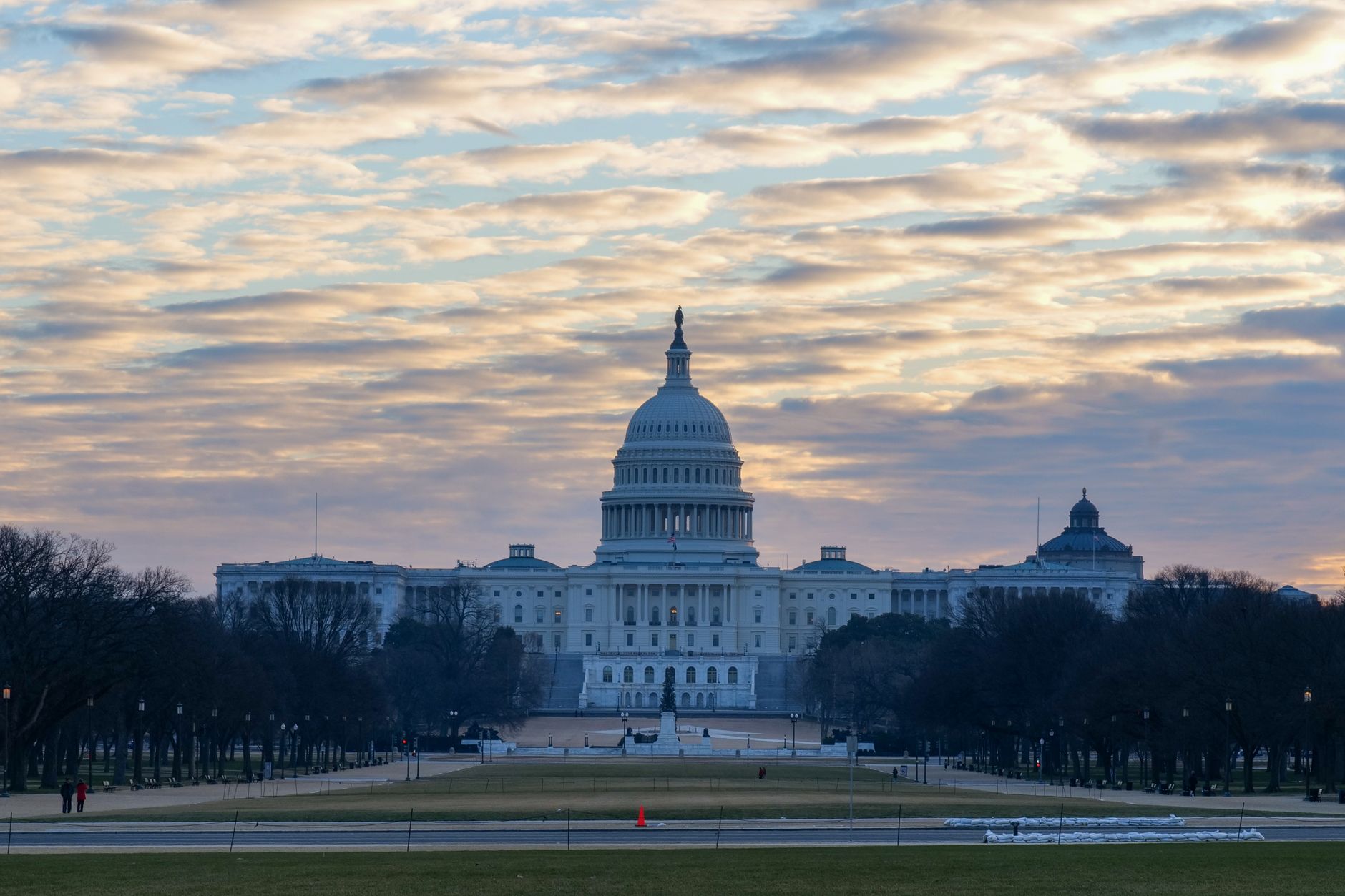
House Votes to Make Daylight Saving Time Permanent: What It Means for Your Wallet
💡 - Invest in retail and hospitality stocks that benefit from extended evening consumer spending - Monitor energy sector shifts as demand patterns change under permanent DST - Start a side hustle in outdoor evening activities (e.g., food delivery, event planning) - Consider real estate in areas with active nightlife or longer daylight attraction - Watch for volatility in stock markets during transitional periods
The US House passed the Sunshine Protection Act to make daylight saving time permanent. This change could affect energy costs, retail sales, and stock market hours. Investors and entrepreneurs can prepare for shifts in consumer behavior and sector performance.
The US House of Representatives has voted to make daylight saving time (DST) permanent by passing the Sunshine Protection Act. If enacted, the US would no longer change clocks twice a year, locking in summer hours year-round. This move follows years of debate over the economic and health impacts of clock changes.
For businesses, permanent DST could boost retail and hospitality sectors by extending daylight hours into the evening. Longer evening daylight typically increases consumer spending on outdoor activities, dining, and shopping. Companies in these sectors may see a lift in revenue, making them attractive for investors.
Energy markets could also be affected. While DST was originally intended to save energy, studies show the net impact is mixed. Permanent DST may reduce evening lighting demand but increase morning heating use. Utility stocks and renewable energy plays could experience shifts in demand patterns.
Stock market trading hours would remain unchanged, but some traders believe that increased daylight could improve market sentiment and volatility. Crypto markets, which operate 24/7, are largely unaffected. However, side hustles like food delivery, ride-sharing, or event planning could see higher demand during extended evening hours.
Real estate may see subtle effects, as homes in regions with later sunsets could become more desirable. Commercial properties in areas with active nightlife might appreciate. Entrepreneurs should consider launching businesses that capitalize on longer evenings, such as outdoor entertainment or late-night services.
Overall, investors should watch sectors like retail, hospitality, and energy for potential tailwinds. Small business owners can adjust operating hours and marketing strategies to align with permanent DST. While the Senate still needs to pass the bill, the House vote signals strong momentum toward this change.
Read the full story
Original reporting and related coverage — attribution links only, not paid recommendations.
Trade this story


Partner links — OppHub may earn a commission at no extra cost to you.
Build My Playbook
Turn this headline into a clear plan: what to watch, how to express it (stocks, ETFs, or options education), and how you’d know you’re wrong — for beginners and active traders. Not personalized advice.
You’ll get theme → ETFs → stocks → options education → side income → kill switches.