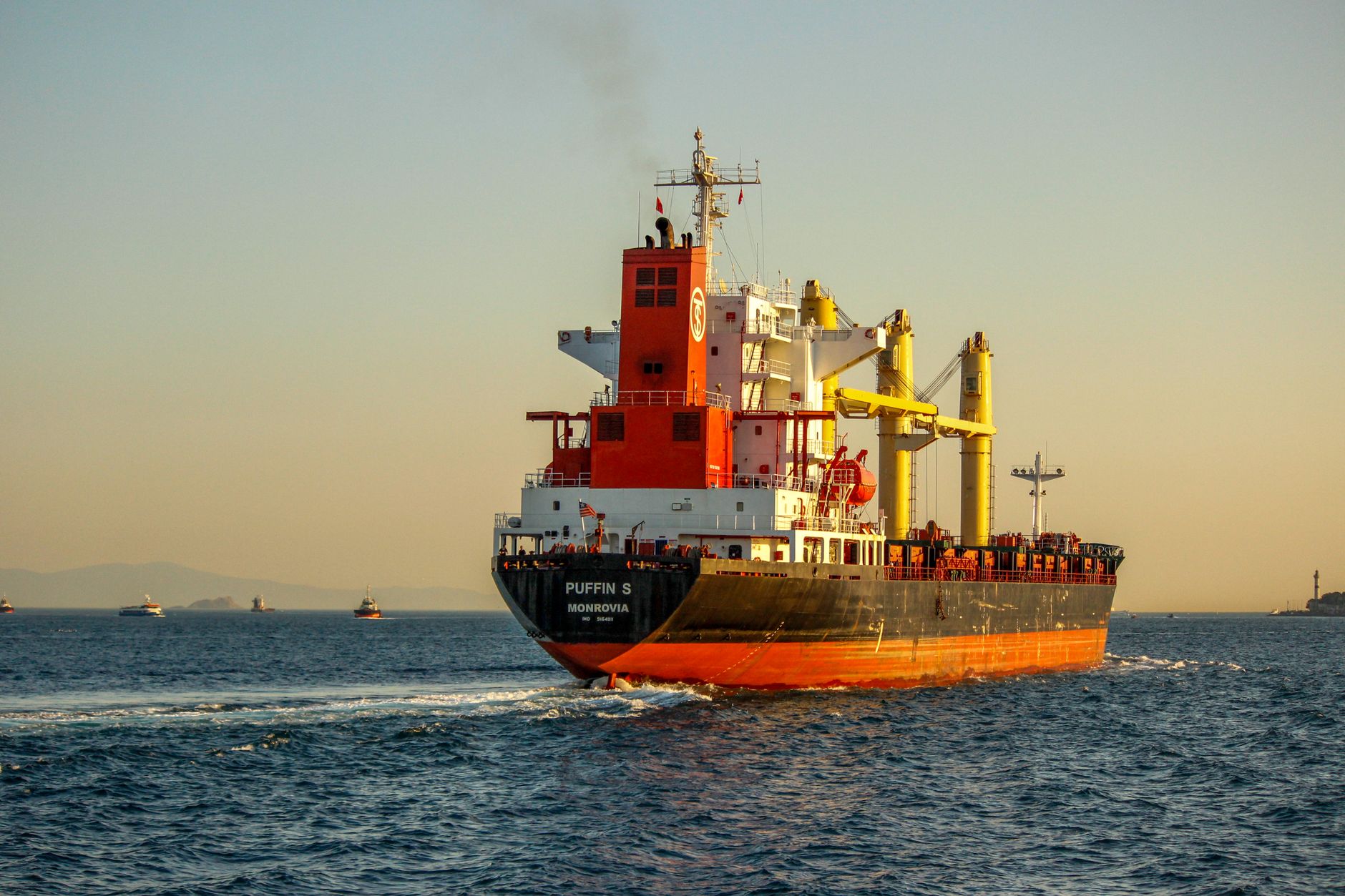
Iran Conflict Raises Shipping Costs, Threatens Strait of Hormuz: UN Maritime Chief
💡 - Oil prices are highly sensitive to Strait of Hormuz disruptions; consider energy ETFs or futures. - Shipping and logistics stocks face higher costs from insurance and rerouting; monitor earnings reports. - Defense contractors like Lockheed Martin or Raytheon may benefit from increased US military spending. - Businesses with global supply chains should hedge currency and commodity risks. - Crypto markets could see safe-haven inflows amid geopolitical uncertainty; watch Bitcoin and gold correlation.
The UN maritime chief warns that the Iran conflict is driving up shipping costs and endangering seafarers. The White House confirms ongoing negotiations despite public hard lines, while the US escalates airstrikes and Iran defends the Strait of Hormuz as a red line.
The United Nations maritime chief has issued a stark warning: the Iran conflict is not only escalating military tensions but also driving up costs for global shipping and putting seafarers in danger. This comes as the White House confirmed that American and Iranian negotiators continue to hold talks, even as both sides maintain rigid public positions. The US military has launched additional airstrikes against Iran, and President Trump has hinted at further escalation.
For Iran, the Strait of Hormuz—a critical chokepoint for about 20% of the world's oil—remains a red line. The Iranian government has signaled that any threat to its control over the strait would be met with force. This geopolitical friction is already reverberating through global supply chains, with shipping insurers raising premiums and vessels rerouting to avoid danger zones.
The UN maritime chief specifically highlighted the human and economic toll: seafarers are working in high-risk zones without adequate protection, and shipping lines face soaring costs for crew safety, insurance, and longer transit routes. The situation has drawn comparisons to previous Gulf conflicts, which saw freight rates spike dramatically.
Market analysts are watching oil prices closely, as any disruption to the Strait of Hormuz could send crude prices soaring. Defense contractors may see a boost from increased military spending, while logistics companies brace for volatility. For businesses reliant on imported goods, especially energy and manufactured products, the conflict introduces significant cost uncertainty.
Read the full story
Original reporting and related coverage — attribution links only, not paid recommendations.
Trade this story


Partner links — OppHub may earn a commission at no extra cost to you.
Tools & books on Amazon
Shop Amazon →Relevant gear and reads when you want to go deeper — OppHub may earn from qualifying purchases.
Build My Playbook
Turn this headline into a clear plan: what to watch, how to express it (stocks, ETFs, or options education), and how you’d know you’re wrong — for beginners and active traders. Not personalized advice.
You’ll get theme → ETFs → stocks → options education → side income → kill switches.