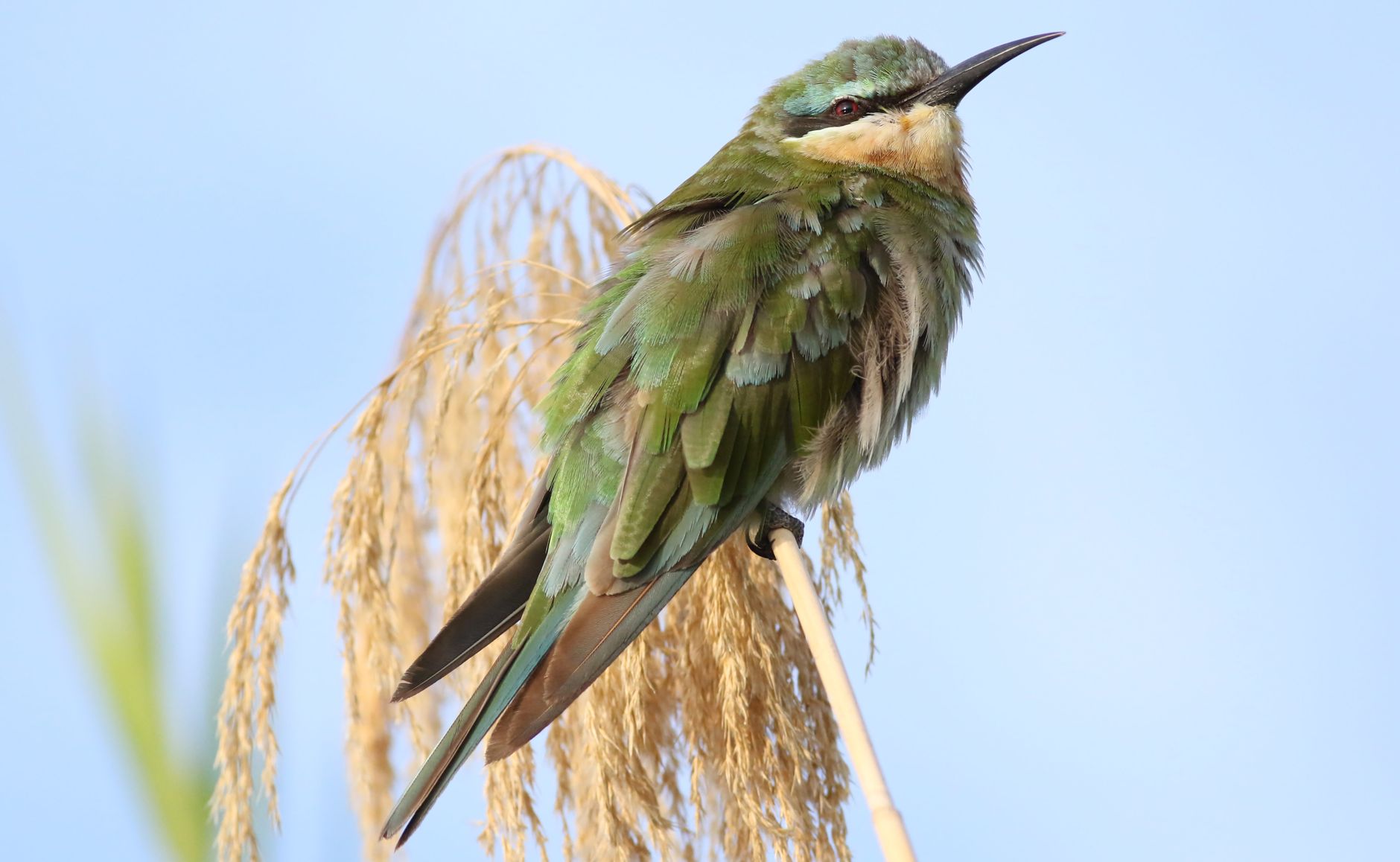
Ancient Bird Conservation in Jerusalem Offers Model for US Historic Preservation Efforts
💡 Funding opportunities exist through US historic preservation grants, conservation tourism development, and international research partnerships that could benefit American organizations studying similar ecosystem preservation models.
Jerusalem's millennia-old swift colonies nesting in holy sites demonstrate successful coexistence between historic preservation and wildlife conservation, providing valuable insights for US conservation programs.
## Ancient Bird Conservation Offers Blueprint for US Historic Sites
Jerusalem's holy sites, including the Western Wall, host some of the world's oldest continuously inhabited swift colonies, with these scythe-winged birds nesting in the ancient stone cracks for thousands of years. This remarkable example of wildlife coexisting with historic structures presents valuable lessons for American conservation efforts.
### Key Insights for US Applications:
**Historic Site Integration** - Jerusalem demonstrates how ancient structures can successfully support biodiversity - US historic sites could implement similar nesting preservation strategies - Opportunity for cross-cultural conservation partnerships
**Conservation Tourism Potential** - Bird-watching tourism around historic sites creates economic opportunities - Educational programs combining history and ecology - Potential for US-Israel conservation research collaborations
**Sustainable Preservation Models** - Balancing structural integrity with wildlife habitat needs - Developing guidelines for historic building maintenance that protects resident species - Funding opportunities through environmental and historic preservation grants
Based on reporting from npr-business.
Read the full story
Original reporting and related coverage — attribution links only, not paid recommendations.
Trade this story
 Robinhood
 Webull
 Tradier
 IBKR
IBKR
Broker buttons use invite / refer-a-friend links (rewards may be capped). Other partner links may pay OppHub America a commission at no extra cost to you.
OppSHOP
Full OppSHOP →Curated tools and reads — shopping here helps keep OppHub America free.
Story playbook
A pre-built map of what to watch — stocks, ETFs, and educational next steps. Not personalized advice.
Snapshot date: July 25, 2026 at 1:51 AM EDT
This playbook was built when the story published and is not live-updated. Prices, news, and risk can change after this date — treat it as a starting map, not a current trade ticket.
Story → money map
Conservation and Historic Preservation
Ancient birds nesting in Jerusalem's historic walls show that wildlife and old buildings can get along. Investors look at this because it creates new ways to fund conservation projects and historical tourism.
What changed
A new conservation model from Jerusalem combines historic site preservation with wildlife management, creating potential for similar U.S. programs and grants.
Who wins / who loses
Winners are environmental consulting firms and eco-tourism operators; losers are none directly identified.
Time horizon
Think in terms of the next few months.
Confidence & best fit
low confidence · Long-term investor
Low confidence → prefer ETFs and “Watch,” not rushing into one stock.
Safer theme exposure (ETFs)
Baskets that own the theme without betting on one company.
Single stocks (higher risk)
Primary = closest to the story · Peers = same industry · Second-order = knock-on effects · Avoid = looks related but may be a trap
Second-order
- $TNCWatch — track, don’t rush
Environmental non-profits and groups working on nature protection might see more interest and support.
View $TNC chart → · End-of-day delayed data
Options (education only)
No strikes or expiries — a framework for how traders might express the view. Options can expire worthless.
Beginners should skip options here since there are no direct company stocks tied to the news.
See options-friendly brokers →Income / OppHub America angle
Not a trade tip — ways to use the insight outside the market.
- Local historical societies applying for combined environmental and historic preservation grants.
What would break this thesis
- Lack of federal or state grant adoption for combined wildlife and historic preservation projects.
What to do next on OppHub America
Saved playbooks stay on this device for now.
Important
Not financial advice. OppHub America playbooks are educational market maps only — not recommendations to buy, sell, or hold any security. Markets move fast; information can be wrong or outdated. Trade and invest at your own risk. Do your own research or consult a licensed advisor.