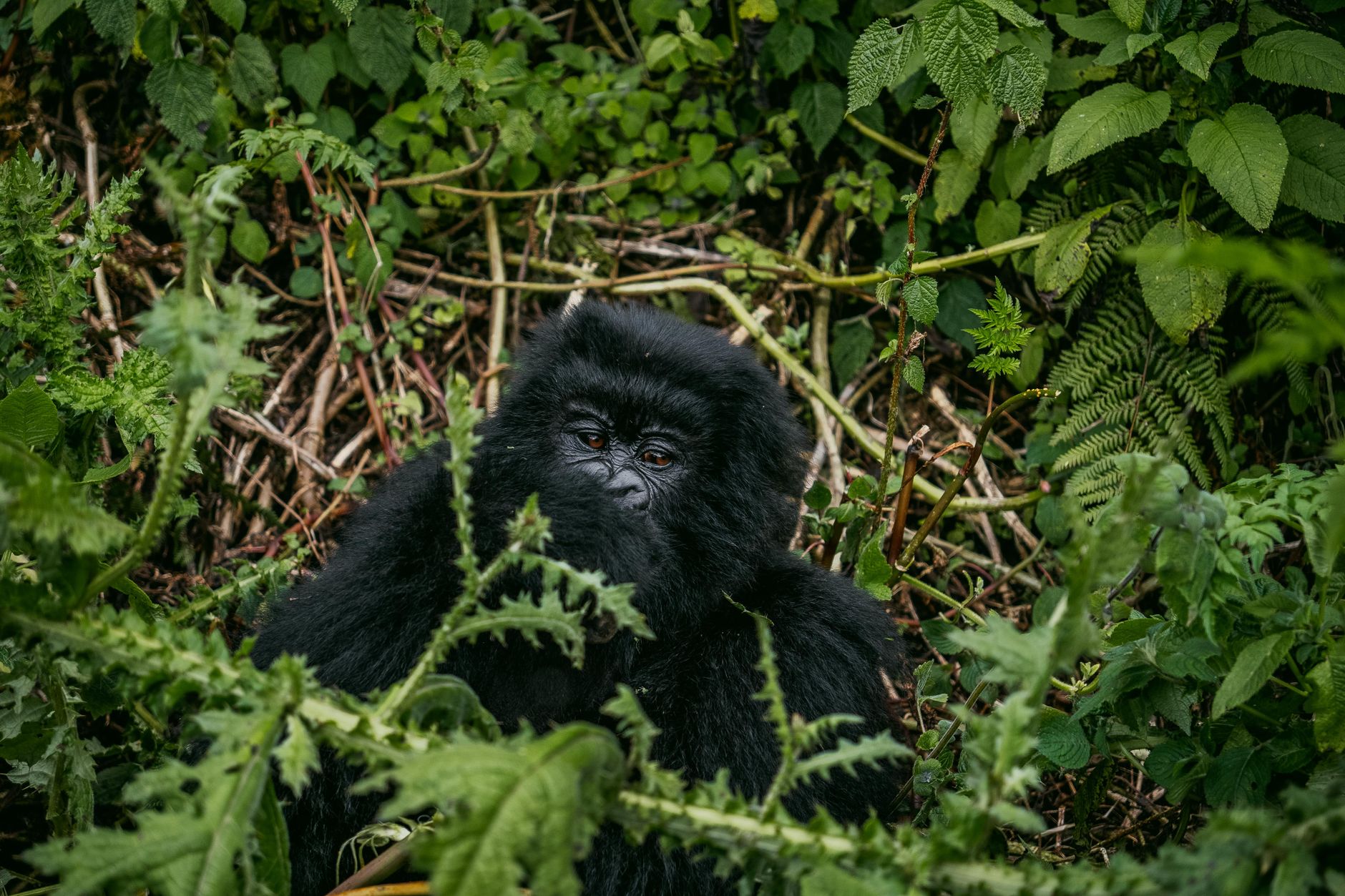
New Primate Discovery in Congo Basin May Spark Biotech Investment
💡 • Invest in biotech ETFs with exposure to African genomic research or conservation-focused companies. • Explore venture capital in startups specializing in drone-based wildlife monitoring or non-invasive DNA sampling. • Consider carbon credits tied to Congo Basin forest preservation; new species discovery often boosts certification values. • Watch for government grants or NGO contracts for tech firms providing remote sensing and data analytics for habitat mapping.
Scientists announced the discovery of 'Likweli,' a new monkey species in the Congo Basin. This breakthrough could drive funding for biodiversity research and create opportunities in biotech, conservation tech, and pharmaceutical patents derived from unique primate genetics.
Researchers from Yale University have identified a previously unknown monkey species, dubbed 'Likweli,' in the Congo Basin. The discovery, published in mid-July 2026, underscores the vast unexplored biodiversity of Central Africa, a region increasingly attracting investment from conservation and biotech firms. While the immediate impact is scientific, the financial ripple effects could be significant for companies focused on genetic research, sustainable ecotourism, and ethical bioprospecting.
Historically, new primate discoveries have spurred increased funding for habitat protection and scientific expeditions. For investors, this opens the door to startup activity in remote sensing, DNA sequencing, and non-invasive wildlife monitoring technologies. Governments and NGOs often allocate grants to safeguard such species, creating contracting opportunities for tech firms providing tracking drones or bioinformatics analysis.
The pharmaceutical sector may also take note: unique primate genomes occasionally yield insights for drug development, particularly in neurology and immunology. Companies with existing partnerships in the Congo Basin, like those working on counteracting zoonotic diseases, could see heightened interest from institutional investors seeking ethical exposure to emerging-market biotech.
On the downside, the discovery highlights geopolitical risks: the Congo Basin faces deforestation and political instability. Investors should look for firms with strong local partnerships and a clear environmental, social, and governance (ESG) framework. Pure conservation projects rarely deliver short-term returns, but blended finance models combining carbon credits with biotech royalties are gaining traction.
Real estate and infrastructure funds tied to eco-lodges and research stations in nearby regions could benefit from increased scientific tourism. Meanwhile, public markets may see indirect gains for logistics companies supporting field research or satellite imagery providers mapping primate habitats.
Overall, 'Likweli' represents more than a scientific curiosity—it is a catalyst for capital flows into biodiversity-rich nations. Early movers aligning with sustainable biotech and conservation technology stand to capture value as the global focus on ecological assets intensifies.
Read the full story
Original reporting and related coverage — attribution links only, not paid recommendations.
Trade this story


Broker buttons use invite / refer-a-friend links (rewards may be capped). Other partner links may pay OppHub a commission at no extra cost to you.
Tools & books on Amazon
Shop Amazon →Relevant gear and reads when you want to go deeper — OppHub may earn from qualifying purchases.
Build My Playbook
Turn this headline into a clear plan: what to watch, how to express it (stocks, ETFs, or options education), and how you’d know you’re wrong — for beginners and active traders. Not personalized advice.
You’ll get theme → ETFs → stocks → options education → side income → kill switches.