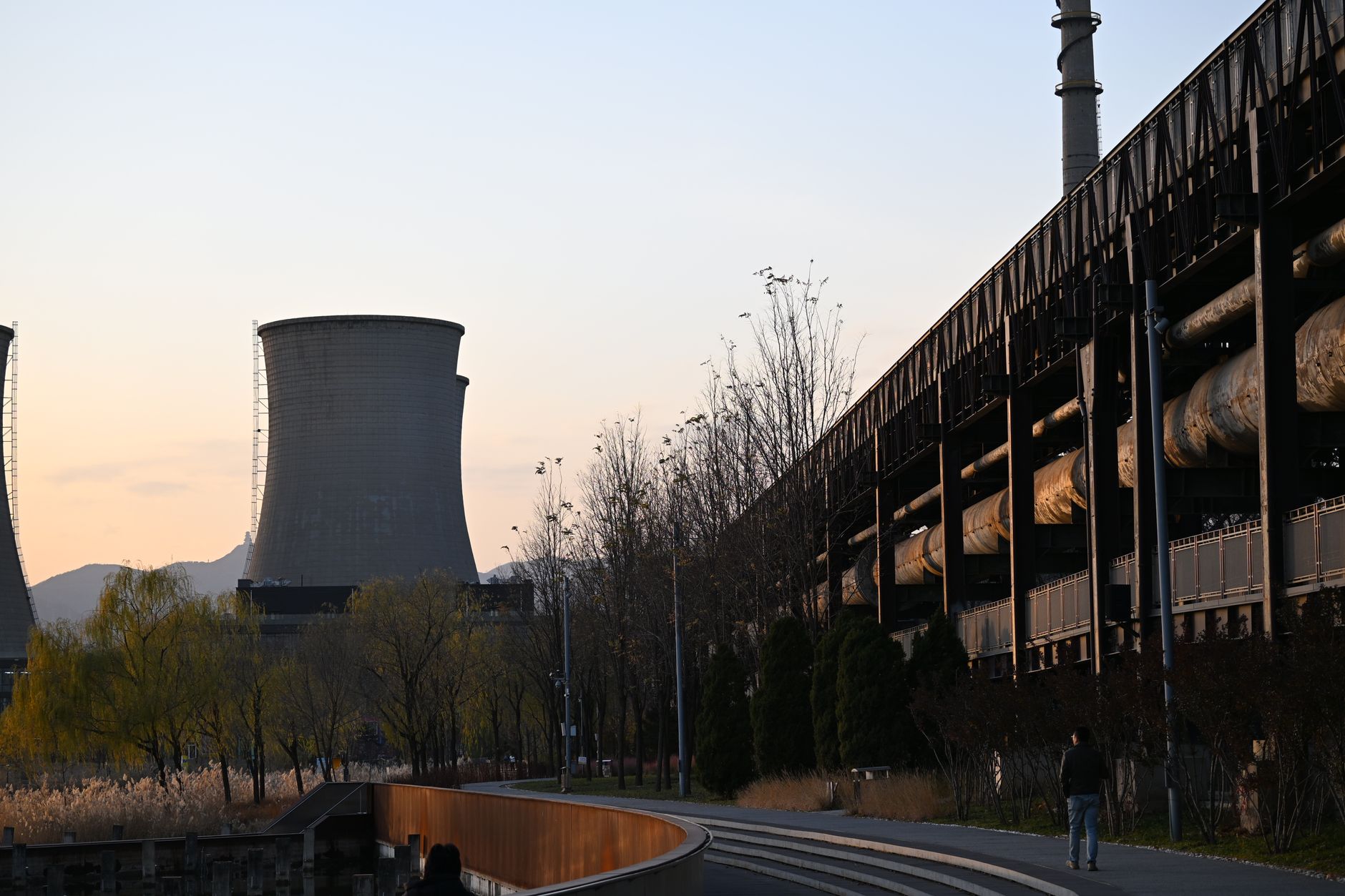
NRC Corrects Reactor Licensing Overhaul: What It Means for Nuclear Energy Investors
💡 1. Monitor NRC updates for new reactor licensing guidelines—cleaner rules can speed up project approvals and boost nuclear construction stocks. 2. Watch for utility companies and nuclear developers that may adjust project timelines; any delay could pressure near-term valuations but offer entry points. 3. The correction signals regulatory housekeeping—if it leads to faster grid additions, long-term power price dynamics could favor nuclear operators.
The U.S. Nuclear Regulatory Commission is withdrawing a flawed guidance document tied to Executive Order 14300, aimed at updating reactor licensing and siting rules to boost grid capacity. Investors in nuclear energy should watch closely, as this correction signals tightening regulatory clarity that could delay or accelerate project timelines. The move affects broader electrification and power generation markets, with potential ripple effects on utility and reactor stocks.
What happened: The Nuclear Regulatory Commission issued a correction in the Federal Register on July 27, 2026, to withdraw a guidance document that contained outdated and incorrect information. This correction is part of a broader effort to modernize reactor licensing, safety oversight, and siting practices in response to sections 5(f), 5(h), and 5(i) of Executive Order 14300, which aim to add more electrical generation to the grid. The original notice was published on July 16, 2026.
Who: The U.S. Nuclear Regulatory Commission (NRC) is the federal agency responsible. The guidance document removal is tied to Executive Order 14300, issued by the White House. No private companies are named in the notice.
Tickers / sectors: No publicly traded companies or tickers are mentioned in the input facts. The relevant sectors are nuclear energy, utilities, and power generation infrastructure. No clear equity angle from the notice itself.
Winners / losers: The immediate impact is on regulatory certainty—project developers and utilities may face temporary confusion as a previously issued guidance is yanked, but the correction implies a more accurate framework is coming. Vendors and engineering firms relying on the outdated guidance could see short-term delays. Supporters of streamlined nuclear buildout may view this as a cleanup step that ultimately helps long-term investment.
What to watch: The next step is the NRC's revised guidance or new rulemaking to replace the withdrawn document. Investors should monitor future Federal Register filings and NRC public meetings for updated licensing procedures.
Based on reporting from federal-register-api.
Read the full story
Original reporting and related coverage — attribution links only, not paid recommendations.
Trade this story
 Robinhood
 Webull
 Tradier
 IBKR
IBKR
- SAT-ACT prep with Growth Wise →
- Shop on Amazon →
- Chart on TradingView — $15 off your next plan →
- Research with Morningstar Investor →
Broker buttons use invite / refer-a-friend links (rewards may be capped). Other partner links may pay OppHub America a commission at no extra cost to you.
OppSHOP
Full OppSHOP →Curated tools and reads — shopping here helps keep OppHub America free.
Story playbook
A pre-built map of what to watch — stocks, ETFs, and educational next steps. Not personalized advice.
Snapshot date: July 25, 2026 at 2:18 PM EDT
This playbook was built when the story published and is not live-updated. Prices, news, and risk can change after this date — treat it as a starting map, not a current trade ticket.
Story → money map
nuclear energy
The government's nuclear safety agency pulled back a confusing instruction manual for building new nuclear reactors to fix errors. People who invest in power companies are watching closely because clear rules help build new energy sources faster.
What changed
The NRC withdrew a flawed reactor licensing guidance document to clean up rules for grid expansion.
Who wins / who loses
Nuclear developers and utilities face short-term regulatory uncertainty, while long-term supporters of streamlined power buildouts benefit from eventual clarity.
Time horizon
Think in terms of the next few months.
Confidence & best fit
low confidence · Long-term investor
Low confidence → prefer ETFs and “Watch,” not rushing into one stock.
Safer theme exposure (ETFs)
Baskets that own the theme without betting on one company.
Single stocks (higher risk)
Primary = closest to the story · Peers = same industry · Second-order = knock-on effects · Avoid = looks related but may be a trap
Primary
- $CCJWatch — track, don’t rush
Changes in government rules for nuclear plants can affect companies that supply fuel to them.
View $CCJ chart → · End-of-day delayed data
Peer
- $NLRWatch — track, don’t rush
This ETF tracks nuclear companies, making it a good gauge of overall industry reaction to rule changes.
View $NLR chart → · End-of-day delayed data
Options (education only)
No strikes or expiries — a framework for how traders might express the view. Options can expire worthless.
Beginners should skip options here since this is just a slow regulatory paperwork fix with no immediate financial impact.
See options-friendly brokers →Income / OppHub America angle
Not a trade tip — ways to use the insight outside the market.
- Research local utility infrastructure plans and proposed clean energy projects in your region.
What would break this thesis
- Further prolonged delays or permanent gridlock in NRC reactor approvals.
What to do next on OppHub America
Saved playbooks stay on this device for now.
Important
Not financial advice. OppHub America playbooks are educational market maps only — not recommendations to buy, sell, or hold any security. Markets move fast; information can be wrong or outdated. Trade and invest at your own risk. Do your own research or consult a licensed advisor.