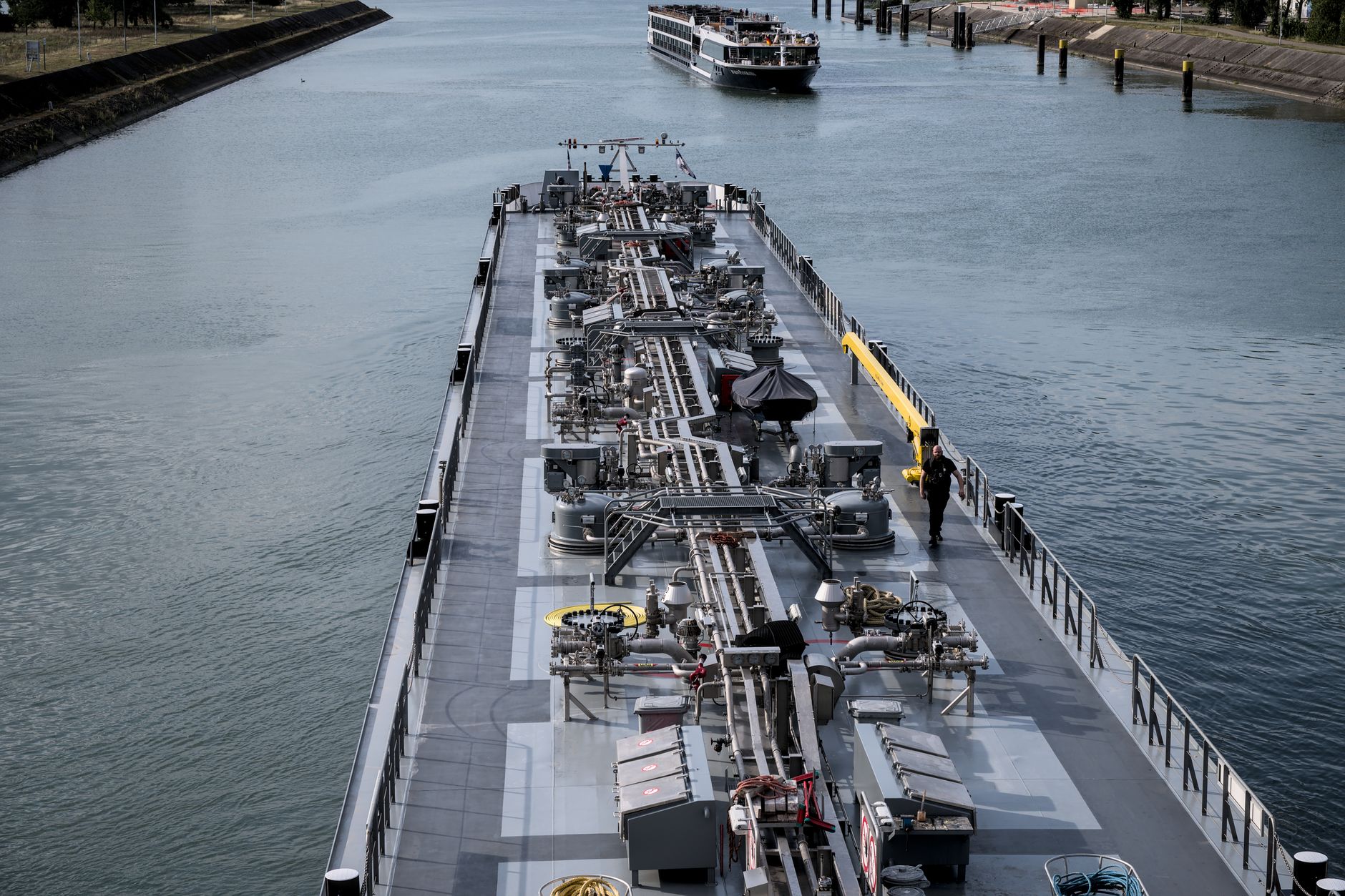
Oil Tanker Attacks Surge Across Three Key Maritime Chokepoints, Threatening Global Supply Chains
💡 Watch crude oil futures for sudden price spikes if attacks continue to reduce passage through the Strait of Hormuz or Red Sea. Monitor shipping insurance premiums and freight rates for tanker companies, as these could signal broader supply chain stress. Consider energy-sector ETFs that track producers with diversified geographic exposure, but avoid overexposure to firms heavily reliant on Middle Eastern or Black Sea shipping lanes. For real estate, look for shifts in industrial warehouse demand as alternative trade routes become more expensive, potentially boosting storage and distribution hubs outside conflict zones.
More than 60 commercial vessels have been struck in the Persian Gulf, Strait of Hormuz, and Gulf of Oman since March 1, with escalating fighting also hitting the Red Sea and Black Sea. This multi-front crisis could disrupt crude oil flows and spike shipping costs, creating both risks and opportunities for energy investors and logistics businesses.
Since March 1, 2026, over 60 commercial ships have been attacked in the Persian Gulf, Strait of Hormuz, and Gulf of Oman, according to reports from CNBC covering the ongoing conflict. Simultaneously, fighting has intensified in the Red Sea and Black Sea, further pressuring oil tanker routes that are vital for global crude supply. The Strait of Hormuz alone handles about 20% of the world's petroleum, making these attacks a direct threat to energy markets. Shipping companies face higher insurance premiums and rerouting costs, which could translate into increased freight rates for crude and refined products. For investors, this scenario historically leads to volatility in oil prices, benefiting producers with spare capacity while squeezing margins for refiners dependent on stable imports. Businesses in the logistics and maritime insurance sectors may see heightened demand, but prolonged disruptions could also trigger supply shortages and economic slowdowns in import-reliant regions.
Read the full story
Original reporting and related coverage — attribution links only, not paid recommendations.
Trade this story
 Robinhood
 Webull
 Tradier
 IBKR
IBKR
- SAT-ACT prep with Growth Wise →
- Shop on Amazon →
- Launch a site with Hostinger →
- Form a U.S. company with Zenind →
Broker buttons use invite / refer-a-friend links (rewards may be capped). Other partner links may pay OppHub America a commission at no extra cost to you.
OppSHOP
Full OppSHOP →Curated tools and reads — shopping here helps keep OppHub America free.
Story playbook
A pre-built map of what to watch — stocks, ETFs, and educational next steps. Not personalized advice.
Snapshot date: July 25, 2026 at 2:47 AM EDT
This playbook was built when the story published and is not live-updated. Prices, news, and risk can change after this date — treat it as a starting map, not a current trade ticket.
Story → money map
oil supply and shipping disruption
Ships carrying oil and goods are being attacked in major waterways, which could make gas and shipping more expensive. Investors are watching to see how energy prices and shipping costs react to these dangers.
What changed
Commercial vessel attacks surged across multiple key maritime chokepoints, threatening global crude oil flows and raising freight costs.
Who wins / who loses
Energy producers with diversified geographic exposure and maritime insurers benefit, while import-reliant refiners and global supply chains are squeezed.
Time horizon
Think in terms of the next few weeks.
Confidence & best fit
medium confidence · Long-term investor, Active trader
Safer theme exposure (ETFs)
Baskets that own the theme without betting on one company.
Single stocks (higher risk)
Primary = closest to the story · Peers = same industry · Second-order = knock-on effects · Avoid = looks related but may be a trap
Primary
- $XOMWatch — track, don’t rush
Large oil companies could see higher profits if oil prices jump due to supply worries.
View $XOM chart → · End-of-day delayed data
Peer
- $CVXWatch — track, don’t rush
Another major oil producer that tends to move alongside broad energy market trends.
View $CVX chart → · End-of-day delayed data
Second-order
- $PGRWatch — track, don’t rush
Insurance companies might adjust rates upward as maritime risks increase.
View $PGR chart → · End-of-day delayed data
Options (education only)
No strikes or expiries — a framework for how traders might express the view. Options can expire worthless.
Direction: volatile · Style: Protective put / downside hedge idea · Level: intermediate
Think of this like buying insurance on your portfolio. Beginners should skip options here as the price swings can be unpredictable.
Income / OppHub America angle
Not a trade tip — ways to use the insight outside the market.
- Monitor regional warehouse demand outside conflict zones for potential distribution shifts.
What would break this thesis
- Rapid diplomatic resolution and secure naval escorts reopening choked shipping lanes.
What to do next on OppHub America
Saved playbooks stay on this device for now.
Important
Not financial advice. OppHub America playbooks are educational market maps only — not recommendations to buy, sell, or hold any security. Markets move fast; information can be wrong or outdated. Trade and invest at your own risk. Do your own research or consult a licensed advisor.