Market context for this story
Loading quotes…
Informational only — not investment advice. Full markets →
Barry, OppHub America Desk · · Source: hn-frontpage
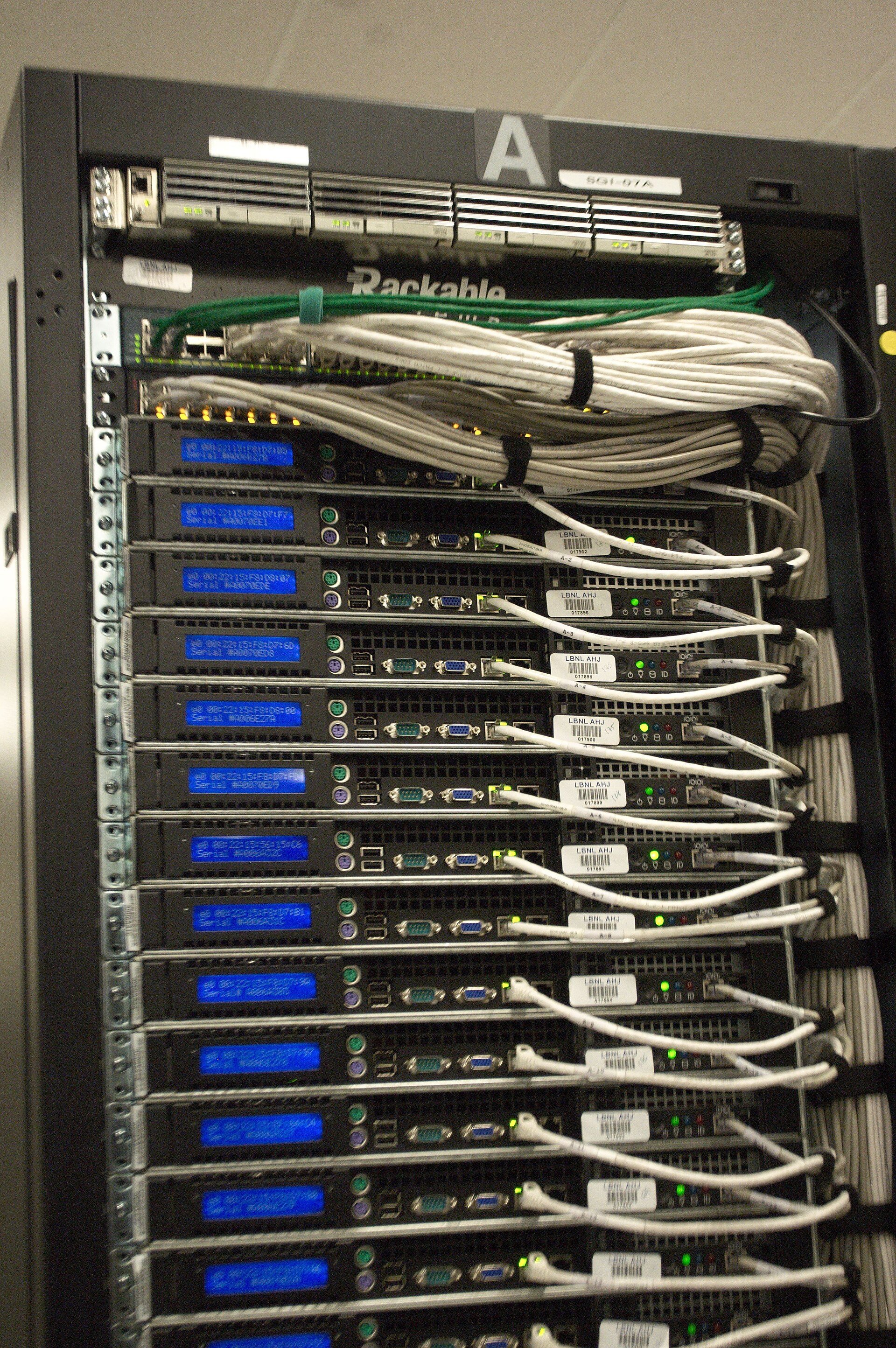
OpenAI's Codex Security Release: AI Code Audit Shifts for U.S. Developers
💡 [object Object]


OpenAI has open-sourced 'Codex Security,' a tool designed for identifying and validating security issues in code. This development offers U.S. businesses and developers a new AI-powered resource for enhancing code integrity, potentially impacting software development costs and efficiency.
OpenAI's release of 'Codex Security' as an open-source command-line interface (CLI) and TypeScript SDK marks a significant advancement in automated code security. The tool empowers users to find, validate, and review security vulnerabilities within their proprietary code or code they have authorization to assess. This move brings AI-driven security auditing directly into the hands of U.S. developers and businesses.
Codex Security operates across macOS, Linux, and Windows environments, requiring Node.js 22 or newer, and Python 3.10 or later for scanning and exporting functions. Users can authenticate with their OpenAI account or an API key, underscoring the integration with existing OpenAI platforms. It is critical for users to only scan repositories they own or have explicit permission to audit, emphasizing responsible use of the technology.
The tool offers flexible scanning options, including targeting specific directories, incorporating external knowledge bases like threat models or architectural documentation, and comparing code versions. It also supports various output formats such as SARIF, CSV, and JSON, facilitating integration into diverse development workflows. This adaptability could streamline security practices for American companies managing complex software projects.
For continuous integration, Codex Security can be configured as a pre-commit hook, automatically scanning staged and unstaged changes. This feature can block commits with high-severity findings, potentially improving code quality and reducing the downstream costs associated with security breaches for U.S. tech firms and startups. The flexibility to adjust severity thresholds allows businesses to tailor the tool to their specific risk tolerance.
Based on reporting from hn-frontpage.
Read the full story
Original reporting and related coverage — attribution links only, not paid recommendations.
Trade this story
 Robinhood
 Webull
 Tradier
 IBKR
IBKR
Chart this story
 TradingView
Broker and exchange buttons use invite / refer-a-friend links (rewards may be capped). Charting links (TradingView) are partner offers that may pay OppHub America a commission at no extra cost to you.
OppSHOP
Full OppSHOP →Curated tools and reads — shopping here helps keep OppHub America free.
Story playbook
A pre-built map of what to watch — stocks, ETFs, and educational next steps. Not personalized advice.
Snapshot date: July 28, 2026 at 6:18 PM ET
This playbook was built when the story published and is not live-updated. Prices, news, and risk can change after this date — treat it as a starting map, not a current trade ticket.
Story → money map
AI Developer Tools
OpenAI released a new tool that helps programmers find security bugs in their code for free. Money managers care because this might hurt sales for traditional security companies that charge businesses to do the same thing.
What changed
OpenAI released 'Codex Security' as an open-source tool for automated AI code security audits.
Who wins / who loses
AI platform providers and efficient developers win, while legacy standalone code-security vendors face margin pressure.
Time horizon
Think in terms of the next few weeks.
Confidence & best fit
medium confidence · Long-term investor, Active trader
Safer theme exposure (ETFs)
Baskets that own the theme without betting on one company.
Single stocks (higher risk)
Primary = closest to the story · Peers = same industry · Second-order = knock-on effects · Avoid = looks related but may be a trap
Primary
- $MSFTBuild slowly — only if it fits your plan
As a major backer of OpenAI, Microsoft benefits when new AI developer tools drive more people to use their cloud and software systems.
View $MSFT chart → · End-of-day delayed data
Peer
- $NVDAWatch — track, don’t rush
More advanced AI tools mean companies need more computer chips, which helps Nvidia.
View $NVDA chart → · End-of-day delayed data
Options (education only)
No strikes or expiries — a framework for how traders might express the view. Options can expire worthless.
Beginners should skip options here and stick to regular shares if they want to invest in software trends.
See options-friendly brokers →Income / OppHub America angle
Not a trade tip — ways to use the insight outside the market.
- Offer consulting services to help small businesses integrate AI code security tools into their pipelines.
What would break this thesis
- Widespread security failures or critical flaws discovered in the open-source Codex Security codebase.
What to do next on OppHub America
Saved playbooks stay on this device for now.
Important
Not financial advice. OppHub America playbooks are educational market maps only — not recommendations to buy, sell, or hold any security. Markets move fast; information can be wrong or outdated. Trade and invest at your own risk. Do your own research or consult a licensed advisor.