New Orange-Lipped Monkey Species Found in DRC Forest Could Spark Biotech and Eco-Tourism Ventures
💡 💡 Actionable money angles: - Explore eco-tourism investment funds targeting Central Africa's emerging destinations. - Watch biotech firms that license or patent genetic discoveries from rare primates. - Consider land-adjacent real estate near newly protected habitats for future lodge development. - Evaluate carbon credit projects linked to DRC forest conservation, which could gain premium pricing. - Avoid speculative crypto tokens named after the species; stick to verified conservation tokens or biotech ETFs.
Scientists have identified a new monkey species in the Democratic Republic of Congo, distinguished by orange lips. The discovery opens potential avenues for conservation-linked investments, bioprospecting, and sustainable tourism in Central Africa.
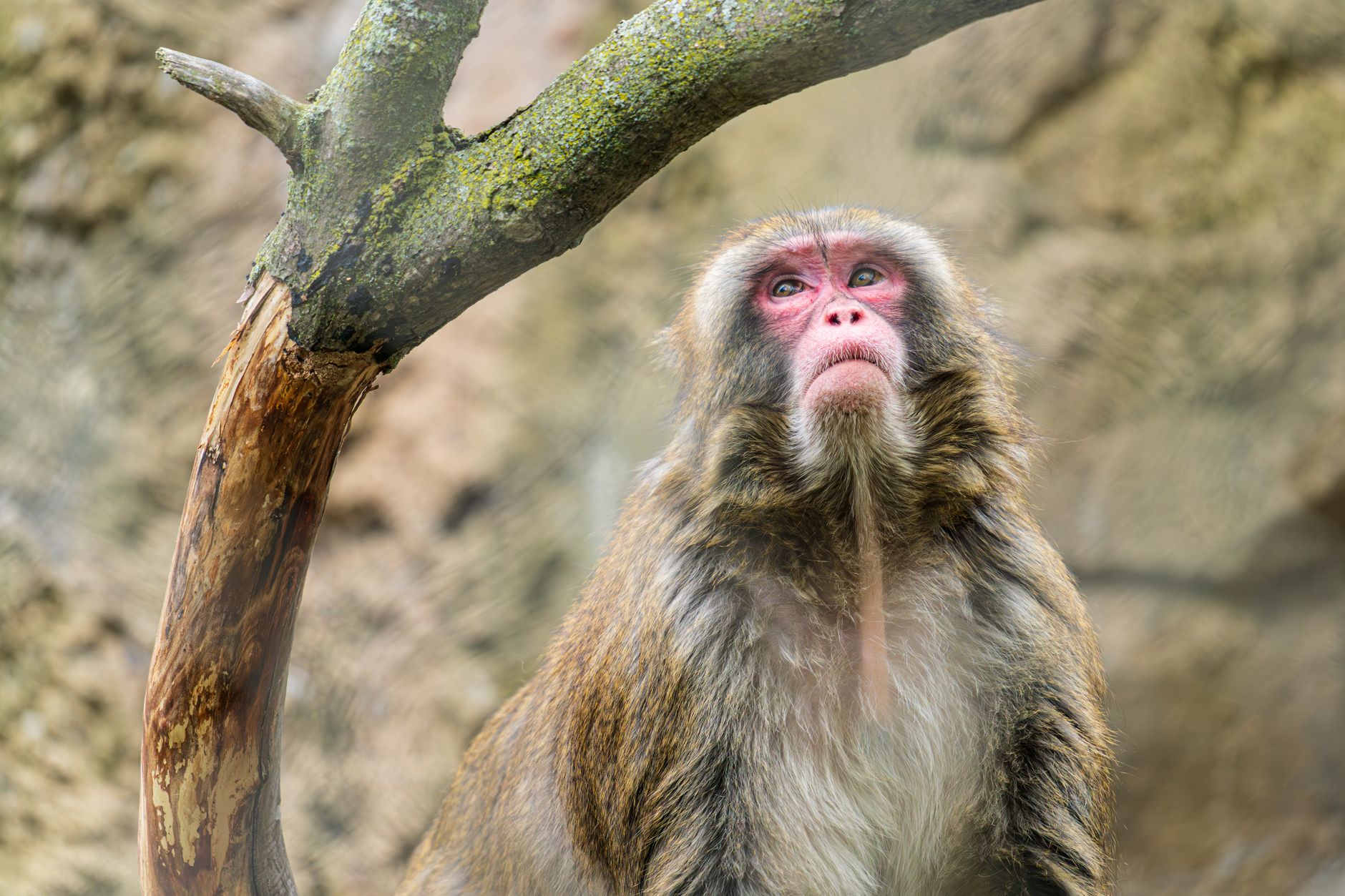
Researchers announced the identification of a previously unknown monkey species living in the forests of the Democratic Republic of Congo. The animal features distinctive orange-colored lips, a trait that sets it apart from known primates. Scientists described the experience of encountering the creature as remarkable, noting how few people had ever known of its existence before this formal recognition.
The discovery was published by BBC World on July 15, 2026, and adds to a growing list of new species found in under-surveyed ecosystems. For investors, the finding highlights the DRC's often-overlooked biodiversity, which can serve as a driver for eco-tourism development. Lodges, guided expeditions, and research permits could become new revenue streams in regions that currently lack significant tourism infrastructure.
From a business perspective, the unique traits of the species—particularly its orange lips—may attract interest from the biotechnology and cosmetics industries. Genetic material from rare primates has historically been studied for potential applications in pharmaceuticals, skin care, and evolutionary biology. Companies involved in bioprospecting or sustainable sourcing could explore partnerships with conservation groups to access and study the species legally.
Real estate and land-use investors should note that conservation status for a new species often leads to protected area designations. This can restrict mining or logging concessions but may increase the value of adjacent ecotourism properties. In the DRC, where mineral wealth has dominated foreign investment, a shift toward biodiversity-focused enterprises could diversify risk for portfolio holders.
The story also serves as a reminder for crypto and side-hustle enthusiasts: tokens tied to conservation projects or carbon credits from rainforest preservation could see renewed interest. However, speculative plays on meme coins tied to the animal would be high-risk. Serious investors should focus on verified sustainability funds or research-stage biotech firms with primate study pipelines.
Read the full story
Original reporting and related coverage — attribution links only, not paid recommendations.
Trade this story


Partner links — OppHub may earn a commission at no extra cost to you.
Build My Playbook
Turn this headline into a clear plan: what to watch, how to express it (stocks, ETFs, or options education), and how you’d know you’re wrong — for beginners and active traders. Not personalized advice.
You’ll get theme → ETFs → stocks → options education → side income → kill switches.