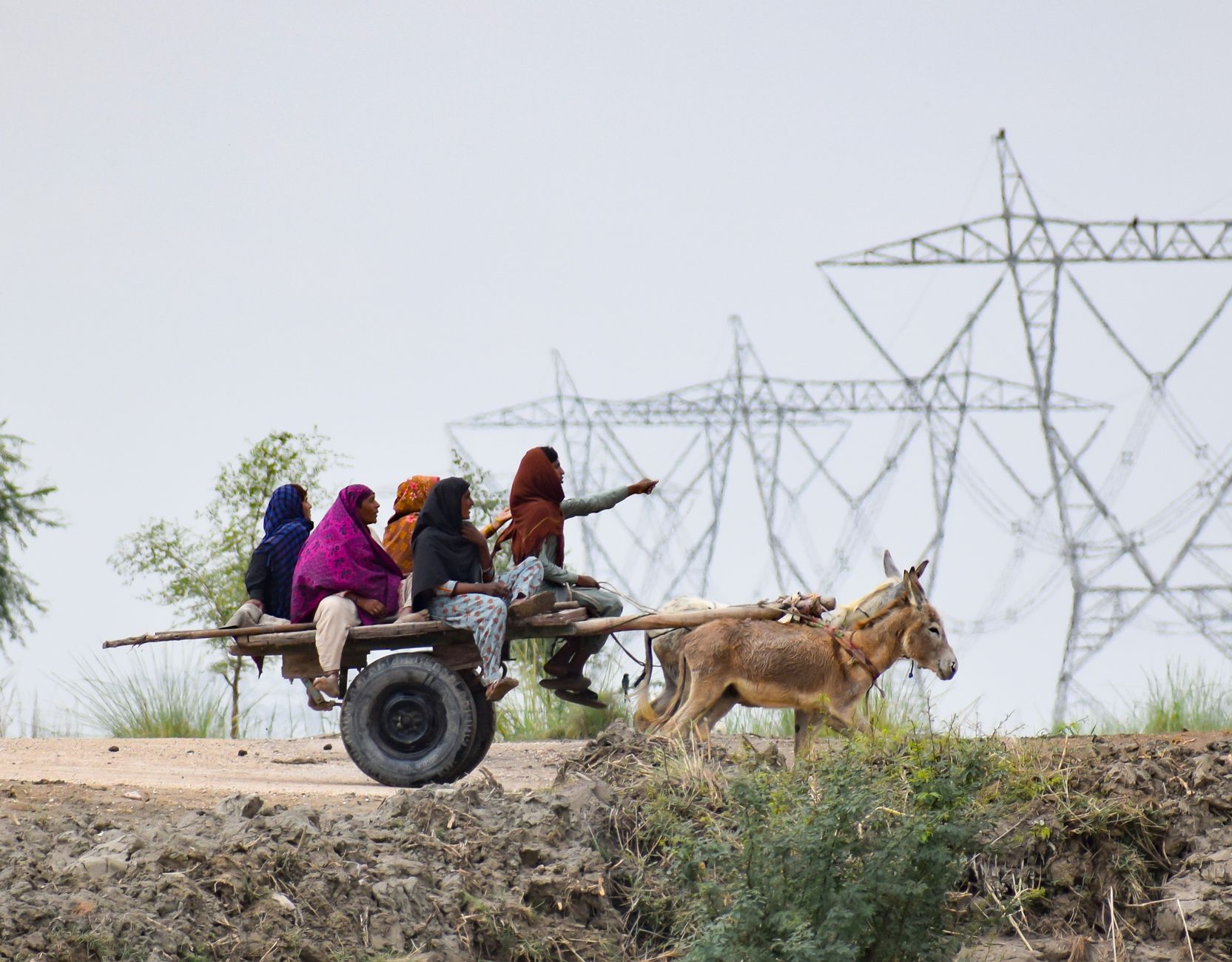
Pakistan's Cross-Border Strikes Raise Security Questions for Defense Investors
💡 - Defense contractors supplying counter-insurgency and border surveillance tech (e.g., Lockheed Martin, L3Harris) may see contract uptick. - Regional infrastructure and CPEC-linked projects face heightened risk; evaluate exposure to Pakistan-based construction and energy firms. - Monitor Pakistani rupee and local bond yields for currency and interest rate hedging opportunities. - Crypto side hustle: set up peer-to-peer exchange nodes or education services catering to local users seeking asset protection. - Side hustle opportunity: freelance security consulting or risk analysis for companies with supply chain links to the Afghanistan-Pakistan border region.
Pakistani forces killed 24 militants in intelligence-driven operations near the Afghan border after a spike in militant attacks earlier this week. The escalation highlights ongoing instability that could impact defense contractors and companies with exposure to regional supply chains.
Pakistan's military announced Friday that it used intelligence sources to target and eliminate 24 militants near the Afghanistan border over the previous 24 hours. The operations were launched in response to attacks by militants earlier in the week, marking a significant uptick in military activity in the volatile region. This development underscores the persistent security challenges facing South Asia, with direct implications for businesses and investors with ties to Pakistan, Afghanistan, or neighboring states.
For investors, the immediate focal point is the defense sector. Increased military operations typically lead to higher demand for small arms, surveillance equipment, and counter-insurgency technologies. Companies like Lockheed Martin, General Dynamics, and Israeli defense firms that supply border security systems could see renewed interest as nations facing similar threats reassess their own security postures.
The instability also threatens commercial opportunities in the region. Pakistan's economy, already grappling with inflation and currency volatility, faces further headwinds if cross-border tensions disrupt trade routes or deter foreign direct investment. Infrastructure projects, particularly those involving Chinese investment under the China-Pakistan Economic Corridor, may face delays or elevated risk premiums.
Cryptocurrency and alternative asset investors should note that geopolitical shocks in this region can spark local demand for decentralized stores of value. Historically, political uncertainty in South Asia has led to increased peer-to-peer crypto trading as citizens seek to preserve wealth outside the bank system. Bitcoin and stablecoins may see higher adoption rates if the security situation deteriorates further.
Real estate and real asset investors with exposure to the region should monitor the situation closely. Commercial properties near the border or in major cities like Peshawar or Quetta may experience value depreciation due to safety concerns. Conversely, security service firms and private military contractors could become lucrative side hustle opportunities for those with relevant expertise, especially as governments seek third-party support for border management.
While the immediate market reaction may be muted for U.S. equities, long-term investors should watch for broader geopolitical ripple effects. Relations between India, Pakistan, and Afghanistan are often affected by such incidents, influencing energy prices and supply chain dynamics in the Gulf and Central Asia. Diversified portfolios should include hedges like gold or commodities sensitive to regional instability.
Read the full story
Original reporting and related coverage — attribution links only, not paid recommendations.
Trade this story


Broker buttons use invite / refer-a-friend links (rewards may be capped). Other partner links may pay OppHub a commission at no extra cost to you.
Tools & books on Amazon
Shop Amazon →Relevant gear and reads when you want to go deeper — OppHub may earn from qualifying purchases.
Build My Playbook
Turn this headline into a clear plan: what to watch, how to express it (stocks, ETFs, or options education), and how you’d know you’re wrong — for beginners and active traders. Not personalized advice.
You’ll get theme → ETFs → stocks → options education → side income → kill switches.