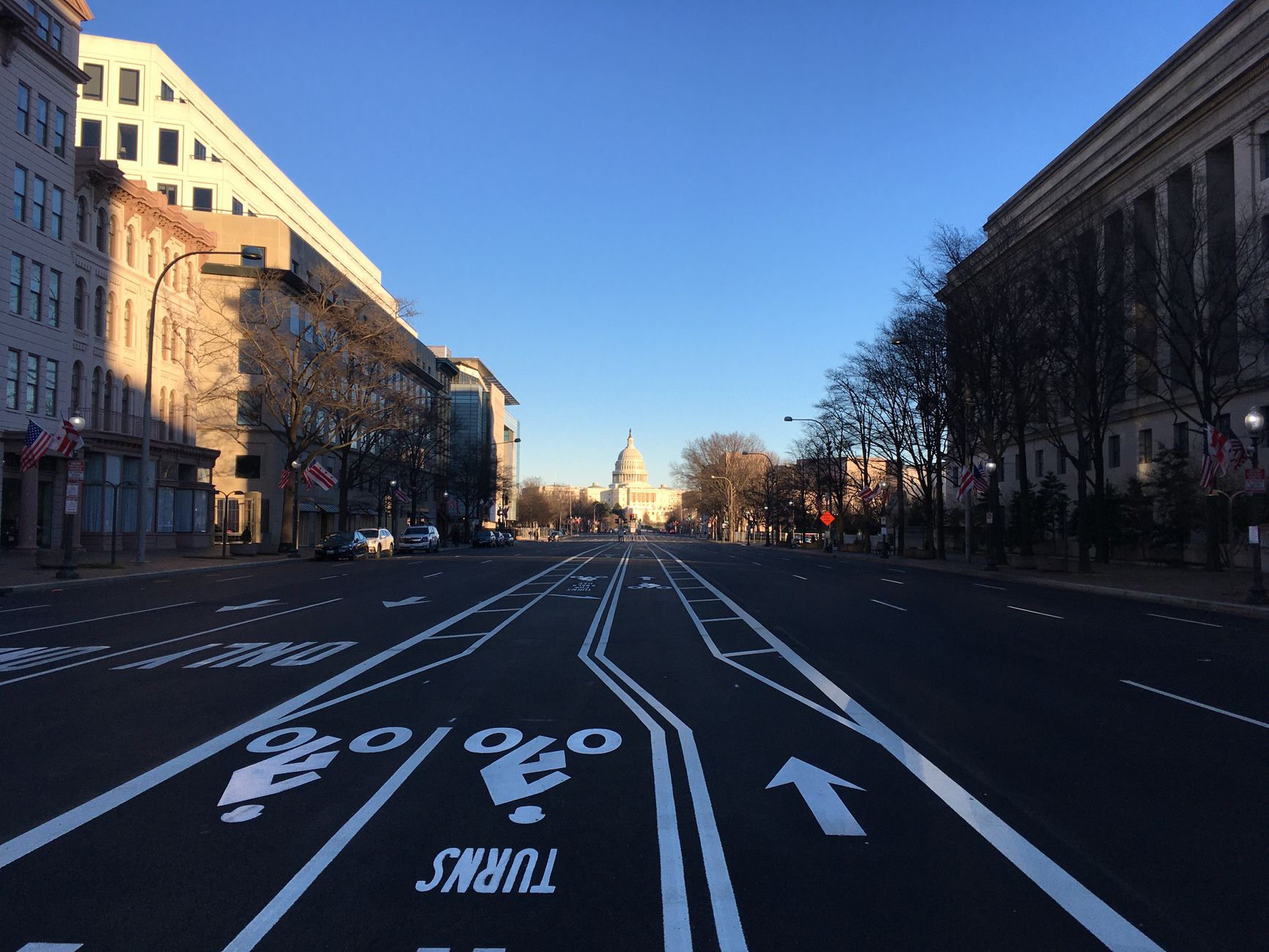
Removal of Bike Lanes and Speed Cameras from Federal Safety List Signals Shift in Infrastructure Spending
💡 - Infrastructure contractors: Expect lower federal funding for bike lane and speed camera projects; seek state or private contracts instead. - Investors: Reallocate capital from companies dependent on federal safety grants; consider municipal bonds in regions that fund their own safety measures. - Real estate: Monitor property values near planned bike lanes; factor in potential accident rate changes on nearby roads. - Tech firms: Speed camera vendors should pivot to private buyers (e.g., retail chains, campuses) as federal endorsement fades. - Side hustles: Delivery workers using bikes/scooters should budget for higher insurance and repair costs; consider diversifying into safety gear sales. - Insurance industry: Higher crash rates could increase premium revenue but also claim payouts; watch for state-level rate adjustments.
The Federal Highway Administration quietly removed bike lanes and speed cameras from its official list of proven safety measures. Critics argue these tools are effective at reducing crashes and saving lives, but the change could redirect federal funding and alter investment opportunities in infrastructure, construction, and traffic enforcement technology.
The Federal Highway Administration (FHWA) has stripped bike lanes and speed cameras from a key list of best practices, according to a recent NPR report. The list, known as the Proven Safety Countermeasures, has historically guided federal funding priorities and state-level transportation projects. By removing these measures, the agency signals a potential shift in which safety improvements receive government support, with implications for companies that design, build, or operate such infrastructure.
Critics of the move, including transportation safety advocates, point out that both bike lanes and speed cameras have been repeatedly shown to reduce crash rates and save lives. The removal does not ban the use of these measures outright, but it could reduce the likelihood that federal dollars will be allocated to them. For businesses reliant on federal grants—such as contractors specializing in protected bike lanes or speed camera installation—this may mean a shrinking pool of funded projects.
Investors in municipal bonds or infrastructure ETFs should watch for state and local governments filling the gap with their own funds, which could create uneven opportunities. Regions that continue investing in bike lanes and enforcement cameras may see lower accident rates, potentially boosting property values along safer corridors. In contrast, areas that follow the FHWA's lead might experience increased traffic injuries, driving up insurance premiums and liability costs for local businesses.
The policy change also affects technology firms that supply speed camera systems, such as radar and license-plate-recognition equipment. Without the federal stamp of approval, these companies may face slower adoption rates in new municipalities. However, private-sector demand—from HOA communities, shopping centers, and corporate campuses—could still provide a growth avenue, especially if accident costs continue to climb.
For side hustles and small businesses, delivery drivers and gig-economy workers who rely on bicycles or scooters may face higher safety risks if bike lane projects stall. This could raise operational costs through repairs or insurance. On the flip side, the removal might spark a boom in aftermarket safety equipment sales, such as helmets, lights, and dash cams, as individuals take responsibility for their own protection.
Real estate investors should consider how the removal could reshape neighborhood desirability. Properties near planned bike lane networks could lose a selling point if federal funding dries up, while homes on high-speed arterial roads might see values decline if accident rates rise. Zoning and development decisions should factor in this policy shift when evaluating long-term risks.
Read the full story
Original reporting and related coverage — attribution links only, not paid recommendations.
Trade this story


Broker buttons use invite / refer-a-friend links (rewards may be capped). Other partner links may pay OppHub a commission at no extra cost to you.
Tools & books on Amazon
Shop Amazon →Relevant gear and reads when you want to go deeper — OppHub may earn from qualifying purchases.
Build My Playbook
Turn this headline into a clear plan: what to watch, how to express it (stocks, ETFs, or options education), and how you’d know you’re wrong — for beginners and active traders. Not personalized advice.
You’ll get theme → ETFs → stocks → options education → side income → kill switches.