Safeguarding Open-Source Assets Against Artificial Intelligence Scrapers
💡 - Audit current software dependencies to identify reliance on vulnerable open-source repositories. - Monitor emerging licensing frameworks designed to restrict automated code harvesting. - Assess legal and financial risks associated with using AI-generated code trained on disputed public assets.
Free and open-source software communities are actively seeking ways to shield shared code repositories from large language model harvesting. This defense movement impacts how developers license and monetize proprietary versus open intellectual property.
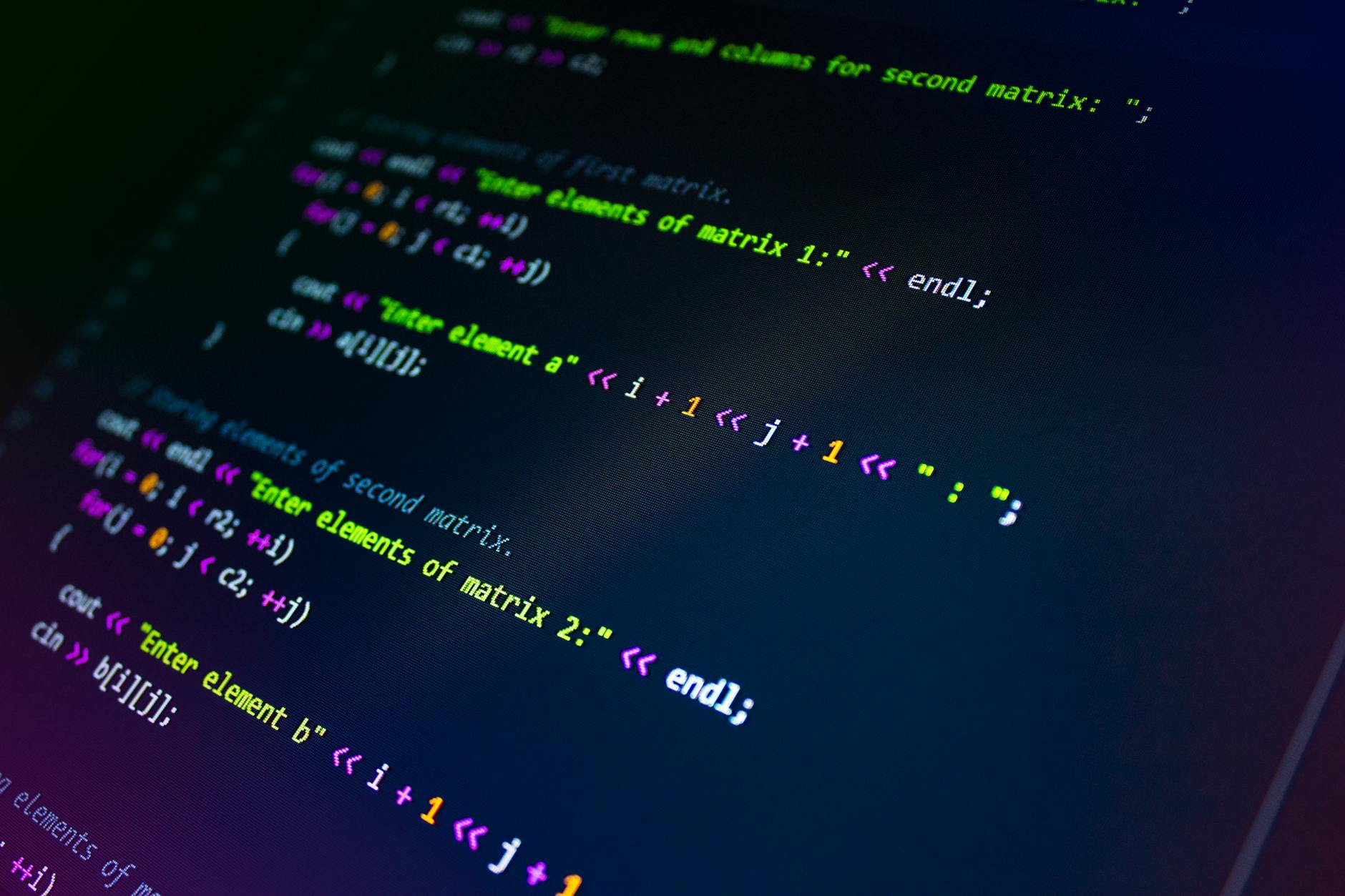
A growing discussion across developer communities centers on safeguarding publicly available codebases from being ingested by automated artificial intelligence models. Creators of free and open-source software are examining new mechanisms to restrict automated harvesting of their shared intellectual property without their direct consent.
Historically, open-source repositories functioned under the ethos of unhindered collaboration and free access. However, the rise of commercial generative models has shifted priorities, as platform creators increasingly want a say in how their public contributions are utilized for training proprietary technology.
This emerging friction between open-source contributors and model developers highlights potential shifts in licensing agreements. Organizations relying on community-built code may soon face stricter legal boundaries or restricted access tiers, altering the traditional landscape of software development.
For businesses and investors, these evolving standards could change the cost structure of software development. Companies that depend on freely available repositories might need to allocate capital toward licensing or proprietary data acquisition if community-led defenses gain widespread traction.
Read the full story
Original reporting and related coverage — attribution links only, not paid recommendations.
Trade this story


Broker buttons use invite / refer-a-friend links (rewards may be capped). Other partner links may pay OppHub a commission at no extra cost to you.
Tools & books on Amazon
Shop Amazon →Relevant gear and reads when you want to go deeper — OppHub may earn from qualifying purchases.
Story playbook
A pre-built map of what to watch — stocks, ETFs, and educational next steps. Not personalized advice.
Snapshot date: July 23, 2026 at 9:27 AM EDT
This playbook was built when the story published and is not live-updated. Prices, news, and risk can change after this date — treat it as a starting map, not a current trade ticket.
Story → money map
Open Source Licensing and AI Data Rights
People who write free computer code are trying to stop big tech companies from stealing it to train artificial intelligence. This matters for money because companies that used to get free code might soon have to pay for it.
What changed
Open-source developers are actively seeking legal and technical mechanisms to restrict automated AI harvesting of public codebases.
Who wins / who loses
Software licensing firms and proprietary data owners benefit from stricter controls, while companies relying on free open-source code for AI training face rising costs.
Time horizon
Think in terms of the next few months.
Confidence & best fit
medium confidence · Long-term investor
Safer theme exposure (ETFs)
Baskets that own the theme without betting on one company.
Single stocks (higher risk)
Primary = closest to the story · Peers = same industry · Second-order = knock-on effects · Avoid = looks related but may be a trap
Primary
- $MSFTWatch — track, don’t rush
As the owner of GitHub, this company deals directly with developers who want to protect their free code from AI.
View $MSFT chart → · End-of-day delayed data
Peer
- $GOOGLWatch — track, don’t rush
This tech giant uses public code to train its AI tools and could face new rules or costs.
View $GOOGL chart → · End-of-day delayed data
Second-order
- $IBMBuild slowly — only if it fits your plan
This company focuses on business software and has reliable, pre-approved data sources that avoid open-source legal fights.
View $IBM chart → · End-of-day delayed data
Options (education only)
No strikes or expiries — a framework for how traders might express the view. Options can expire worthless.
Beginners should skip options here entirely because this is a long-term legal and community debate, not a fast-moving stock event.
See options-friendly brokers →Income / OppHub angle
Not a trade tip — ways to use the insight outside the market.
- Consulting services specializing in software license compliance and open-source risk audits.
What would break this thesis
- Widespread adoption of open AI training standards that bypass developer restrictions.
- Legal rulings favoring unrestricted fair use of public code repositories.
What to do next on OppHub
Saved playbooks stay on this device. Club members get deeper tools over time.
Important
Not financial advice. OppHub playbooks are educational market maps only — not recommendations to buy, sell, or hold any security. Markets move fast; information can be wrong or outdated. Trade and invest at your own risk. Do your own research or consult a licensed advisor.