Market context for this story
Loading quotes…
Informational only — not investment advice. Full markets →
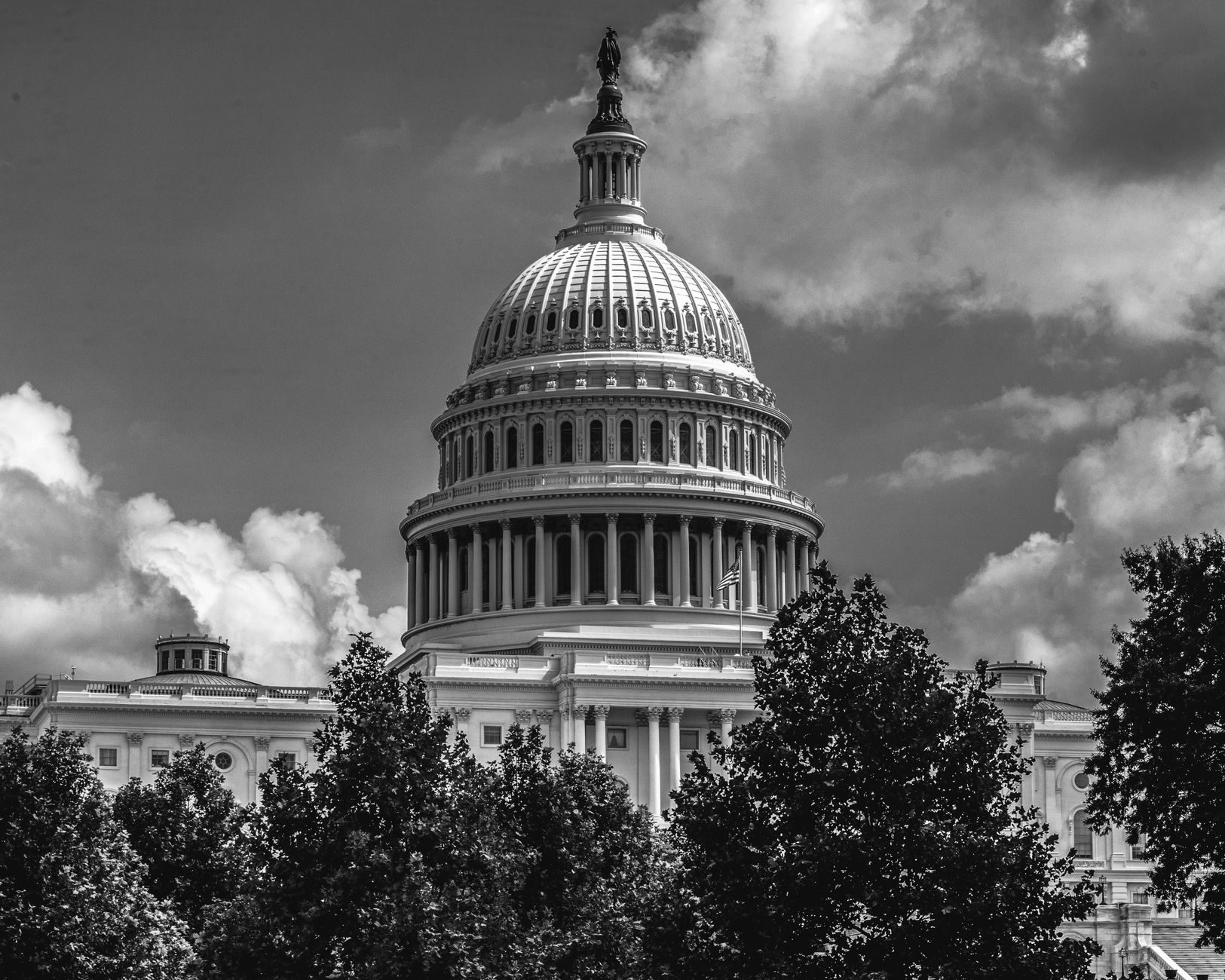
Sunshine Act Meetings Notify Investors of Upcoming Federal Agency Discussions
💡 Monitor the Federal Register for specific Sunshine Act meeting agendas to anticipate regulatory changes. Set alerts for agencies like the SEC, Fed, or FTC that could impact your portfolio. Check the meeting date and time to attend or listen in for early signals on rulemakings or enforcement priorities.
The Federal Register has published a notice of upcoming Sunshine Act meetings, which are public sessions where federal agencies may deliberate on rules, policies, and enforcement actions. For investors and business owners, these meetings signal potential regulatory shifts that could affect markets and industries. Tracking the specific agendas can reveal early warnings of policy changes impacting sectors like finance, energy, or healthcare.
What happened: The Federal Register published a notice under the Sunshine Act, announcing that certain federal agencies will hold open meetings. These meetings are required by law to be publicly announced and allow for transparency in agency decision-making. The notice itself does not specify the agenda or the agencies involved, but it serves as a procedural trigger for stakeholders to monitor upcoming discussions.
Who: The Federal Register, as the official daily publication for rules, proposed rules, and notices of federal agencies, is the issuer. The Sunshine Act applies to agencies headed by a collegial body, such as the Securities and Exchange Commission, the Federal Reserve Board, the Federal Trade Commission, and many others. No specific companies or individuals are named in the notice.
Tickers / sectors: No clear equity angle. The notice is a generic procedural announcement without reference to any public company, ticker symbol, or specific industry sector. Investors should not assume any direct market impact from this notice alone.
Winners / losers: Without specific agency or agenda details, it is impossible to identify winners or losers. The primary effect is on transparency and the ability of market participants to prepare for future regulatory actions. No entity is clearly advantaged or disadvantaged by the mere publication of this meeting notice.
What to watch: The next step is to monitor the Federal Register and individual agency websites for the specific meeting agendas, which will be published closer to the meeting dates. These agendas may include votes on proposed rules, enforcement actions, or policy guidance that could affect industries such as banking, technology, energy, or healthcare. The timing of the meetings themselves is not specified in the notice.
Based on reporting from federal-register-api.
Read the full story
Original reporting and related coverage — attribution links only, not paid recommendations.
Trade this story
 Robinhood
 Webull
 Tradier
 IBKR
IBKR
- Launch a site with Hostinger →
- SAT-ACT prep with Growth Wise →
- Shop on Amazon →
- Form a U.S. company with Zenind →
Broker buttons use invite / refer-a-friend links (rewards may be capped). Other partner links may pay OppHub America a commission at no extra cost to you.
OppSHOP
Full OppSHOP →Curated tools and reads — shopping here helps keep OppHub America free.
Story playbook
A pre-built map of what to watch — stocks, ETFs, and educational next steps. Not personalized advice.
Snapshot date: July 25, 2026 at 5:08 AM EDT
This playbook was built when the story published and is not live-updated. Prices, news, and risk can change after this date — treat it as a starting map, not a current trade ticket.
Story → money map
regulatory policy monitoring
The government is holding open meetings to discuss new rules and policies. Investors watch these meetings closely because upcoming laws or regulations can suddenly change which industries make or lose money.
What changed
A procedural notice for upcoming federal agency Sunshine Act meetings was published in the Federal Register.
Who wins / who loses
No immediate winners or losers exist since specific agencies and agendas were not detailed in the general notice.
Time horizon
Think in terms of the next few weeks.
Confidence & best fit
low confidence · Long-term investor
Low confidence → prefer ETFs and “Watch,” not rushing into one stock.
Safer theme exposure (ETFs)
Baskets that own the theme without betting on one company.
Single stocks (higher risk)
Primary = closest to the story · Peers = same industry · Second-order = knock-on effects · Avoid = looks related but may be a trap
Primary
- $XLFWatch — track, don’t rush
Banks and financial firms are watched because government meetings often discuss new rules for money.
View $XLF chart → · End-of-day delayed data
Peer
- $XLEWatch — track, don’t rush
Energy companies are monitored in case new government rules affect how they operate.
View $XLE chart → · End-of-day delayed data
Second-order
- $XLVWatch — track, don’t rush
Healthcare stocks are kept on the radar for any sudden policy announcements.
View $XLV chart → · End-of-day delayed data
Options (education only)
No strikes or expiries — a framework for how traders might express the view. Options can expire worthless.
Beginners should skip options here entirely because there is no specific company news to trade on yet.
See options-friendly brokers →Income / OppHub America angle
Not a trade tip — ways to use the insight outside the market.
- Set up customized email alerts on the Federal Register website for specific agency keywords.
What would break this thesis
- Published agendas revealing no material rulemakings or enforcement shifts across major sectors.
What to do next on OppHub America
Saved playbooks stay on this device for now.
Important
Not financial advice. OppHub America playbooks are educational market maps only — not recommendations to buy, sell, or hold any security. Markets move fast; information can be wrong or outdated. Trade and invest at your own risk. Do your own research or consult a licensed advisor.