Leveraging Service Provider Switches to Free Up Cash for Investments
💡 • Switch to a cheaper broadband or energy plan and invest the monthly savings ($20–$50) into an S&P 500 index fund or a crypto DCA strategy. • Move your bank account to one offering a cash bonus or high APY, and use that lump sum to fund a real estate REIT purchase. • Use the time saved from simpler switching to research and launch a side hustle (e.g., freelancing, e-commerce) with zero upfront cost. • Monitor stock prices of major broadband (Comcast, AT&T) and energy (Duke, NextEra) providers for potential entry points as switching pressures margins.
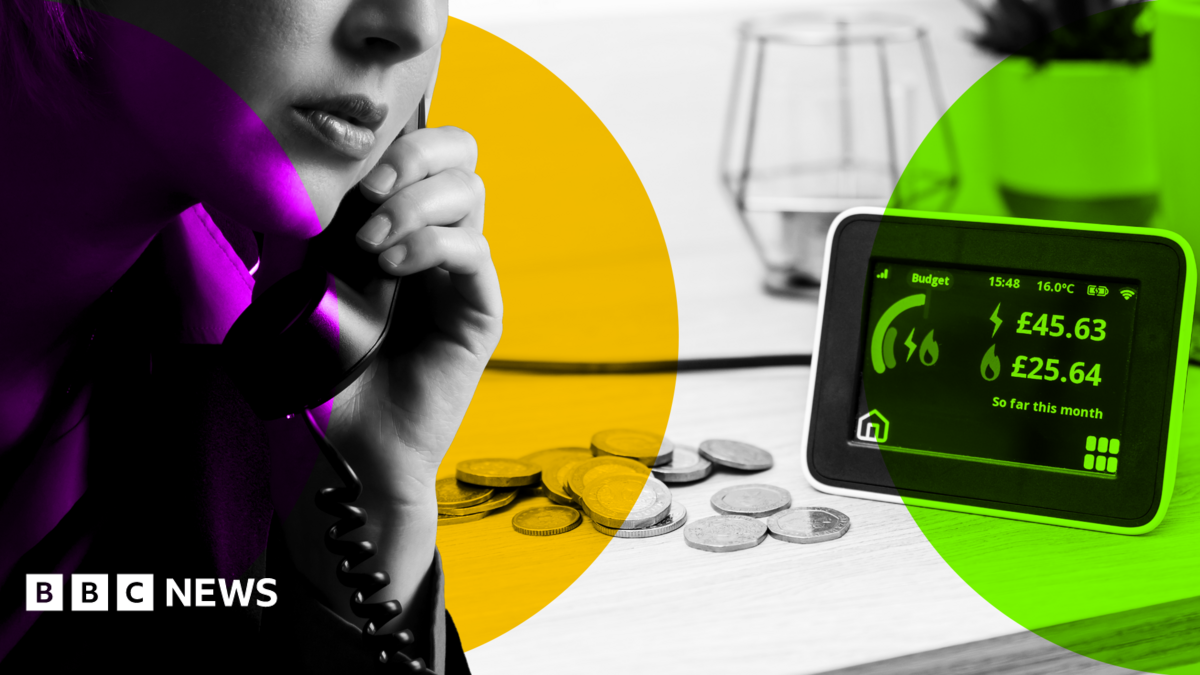
Changing your broadband, energy supplier, or bank account for a better deal has become significantly simpler, according to a recent report. For investors and side hustlers, the freed-up cash from these switches can be redirected into higher-yielding opportunities like stocks, crypto, or real estate down payments.
A fresh analysis highlights that the process of swapping household service providers — covering broadband, energy, and banking — is now far less cumbersome than in prior years. Streamlined online tools, standardized switching rules, and increased competition among providers have lowered the friction typically associated with leaving a contract. This trend is particularly relevant for anyone looking to trim monthly expenses without sacrificing service quality.
For individuals focused on building wealth, every dollar saved on fixed costs is a dollar that can be deployed into growth assets. The typical household can save hundreds of dollars annually by moving to a cheaper broadband plan or a more competitive energy tariff. Similarly, switching to a high-yield checking account or a cash-back credit card can generate immediate financial lift. These small but consistent savings accumulate into meaningful capital for investment.
Real estate investors, for example, can use the extra monthly cash flow to pad a down payment fund or cover property maintenance. Crypto and stock traders might redirect the savings into regular dollar-cost averaging strategies. Even side hustlers benefit: lower utility bills mean more margin to reinvest into business tools, inventory, or marketing.
The simplification of switching also reduces the time cost. What once required hours on hold and mountains of paperwork can now often be completed in minutes via comparison websites or automated switching services. This time savings is itself a resource — freeing up hours that could be spent researching investments, learning new skills, or working a side gig.
From a broader market perspective, the ease of switching intensifies pricing pressure on providers, which may lead to sector-wide margin compression. For traders, this could create short-term volatility in the stocks of major broadband and energy companies. Savvy investors might watch for price dips as a buying opportunity, especially in firms with strong customer retention strategies.
Ultimately, the takeaway is straightforward: the barrier to lowering fixed monthly outflows has never been lower. Channeling those savings into higher-return activities — whether stocks, crypto, real estate, or a side hustle — can meaningfully accelerate financial goals.
Based on reporting from BBC Business.
Structured tickers, ETFs, hedges, and invalidation triggers from this story — not personalized advice.