Barry, OppHub America Desk · · Source: cnbc-top
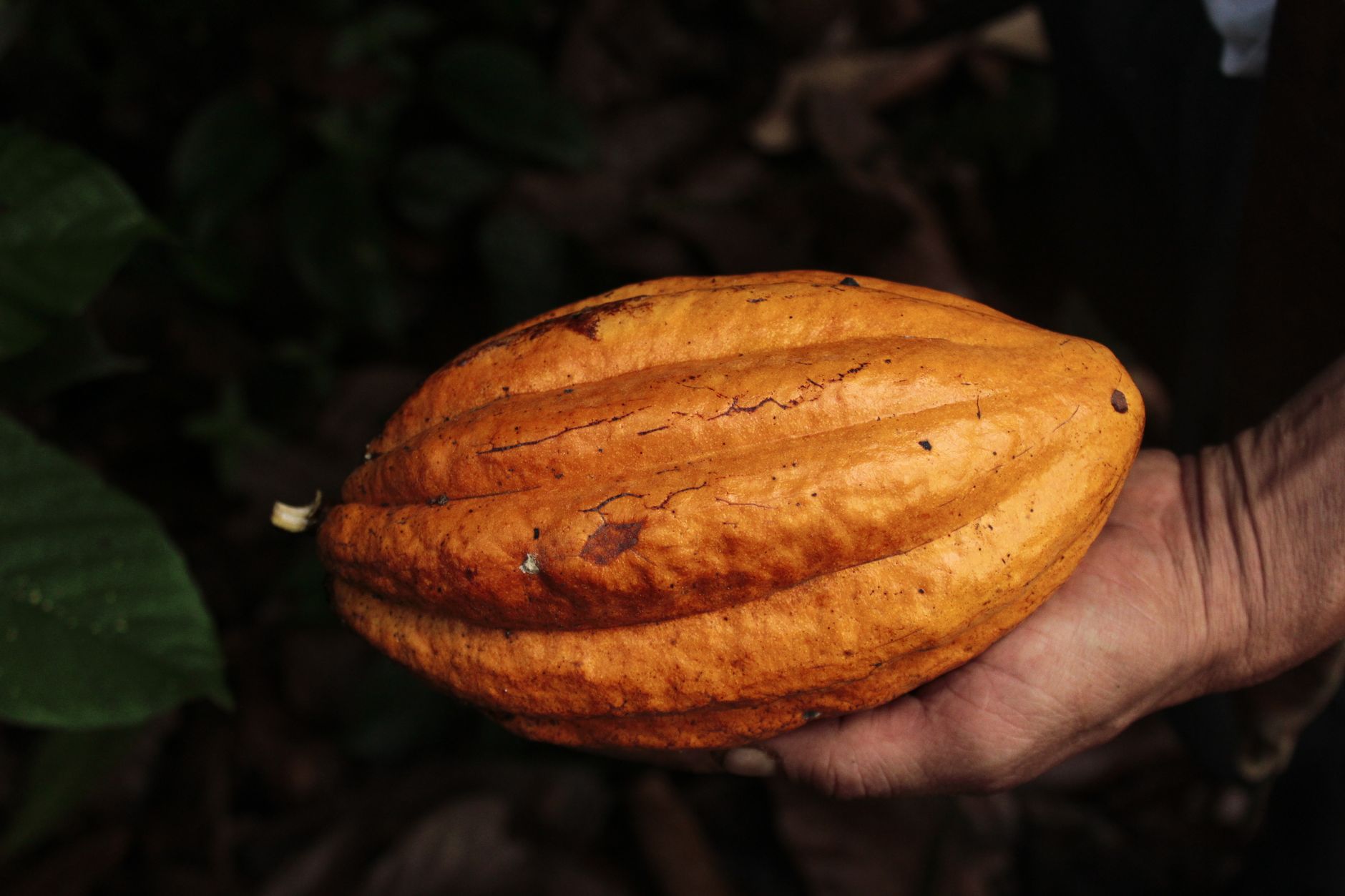
Cocoa Tariff Effects: Why U.S. Chocolate Prices Stay High Despite Falling Commodity Costs
💡 No direct equity tickers were provided in the facts, but consider: - Monitor earnings calls of Lindt, Barry Callebaut, and Nestle for margin recovery signals. - If tariffs on imported confectionery inputs are reduced, chocolate makers could benefit from cost relief. - Watch cocoa futures (CC) as a leading indicator for retail pricing — a sustained decline could signal consumer stock-up opportunities.
Cocoa futures are easing, but U.S. chocolate prices remain elevated due to lingering tariffs and supply-chain disruptions. Candy makers are now turning to premium products and social media marketing to recover lost sales after poor weather and geopolitical shocks.
What happened — Cocoa commodity prices have declined from recent highs, yet retail chocolate prices in the U.S. have not fallen proportionately. The CNBC report notes that chocolate companies are still grappling with the effects of tariffs, poor weather conditions, and the impact of the Iran conflict on trade routes, which together have squeezed margins and kept shelf prices elevated.
Who — The major chocolate manufacturers named in the facts include Lindt, Barry Callebaut, and Nestle. U.S. trade policy and foreign government actions (related to the Iran war and tariff measures) have directly affected these firms' supply costs and import logistics.
Tickers / sectors — No equity tickers were provided in the input facts. The sectors affected include consumer staples (chocolate/candy makers), retail, and agricultural commodities. There is no clear equity angle based on the given data; investors should monitor earnings calls from Lindt and Nestle for margin commentary.
Winners / losers — Winners: Consumers may eventually benefit if retail prices adjust downward, though the timeline is uncertain. Losers: Chocolate companies whose profit margins are compressed by the lag between falling input costs and sticky retail prices. Retailers carrying chocolate products may also see volume pressure if shoppers resist high prices.
What to watch — Watch for further tariff adjustments or trade agreements that could affect cocoa imports. Also monitor weather forecasts for West African cocoa-producing regions and any easing of geopolitical tensions involving Iran that could lower shipping costs.
Based on reporting from cnbc-top.
Read the full story
Original reporting and related coverage — attribution links only, not paid recommendations.
Trade this story
 Robinhood
 Webull
 Tradier
 IBKR
IBKR
- SAT-ACT prep with Growth Wise →
- Shop on Amazon →
- Chart on TradingView — $15 off your next plan →
- Research with Morningstar Investor →
Broker buttons use invite / refer-a-friend links (rewards may be capped). Other partner links may pay OppHub America a commission at no extra cost to you.
OppSHOP
Full OppSHOP →Curated tools and reads — shopping here helps keep OppHub America free.
Story playbook
A pre-built map of what to watch — stocks, ETFs, and educational next steps. Not personalized advice.
Snapshot date: July 26, 2026 at 5:48 AM EDT
This playbook was built when the story published and is not live-updated. Prices, news, and risk can change after this date — treat it as a starting map, not a current trade ticket.
Story → money map
consumer staples margins
Even though the raw cost of cocoa is going down, store-bought chocolate prices are staying high because of extra taxes and shipping costs. This means candy companies are still dealing with squeezed profit margins.
What changed
Cocoa commodity prices fell, but retail chocolate prices remained sticky due to tariffs and supply chain pressures.
Who wins / who loses
Winners: Consumers if prices eventually drop; Losers: Major chocolate makers facing compressed profit margins.
Time horizon
Think in terms of the next few months.
Confidence & best fit
low confidence · Long-term investor
Low confidence → prefer ETFs and “Watch,” not rushing into one stock.
Safer theme exposure (ETFs)
Baskets that own the theme without betting on one company.
Single stocks (higher risk)
Primary = closest to the story · Peers = same industry · Second-order = knock-on effects · Avoid = looks related but may be a trap
Primary
- $NSRGYWatch — track, don’t rush
Nestle makes lots of chocolate and is dealing with these high supply costs.
View $NSRGY chart → · End-of-day delayed data
Peer
- $HSYWatch — track, don’t rush
Hershey is a major American candy maker affected by expensive cocoa and ingredient costs.
View $HSY chart → · End-of-day delayed data
Options (education only)
No strikes or expiries — a framework for how traders might express the view. Options can expire worthless.
Beginners should skip options here because the price trend is unclear and stick to watching the stocks or ETFs instead.
See options-friendly brokers →Income / OppHub America angle
Not a trade tip — ways to use the insight outside the market.
- Shop for discounted post-holiday candy clearance to capitalize on retail markups.
What would break this thesis
- Rapid reduction in tariffs or sudden spikes in consumer demand despite high prices.
What to do next on OppHub America
Saved playbooks stay on this device for now.
Important
Not financial advice. OppHub America playbooks are educational market maps only — not recommendations to buy, sell, or hold any security. Markets move fast; information can be wrong or outdated. Trade and invest at your own risk. Do your own research or consult a licensed advisor.