Market context for this story
Loading quotes…
Informational only — not investment advice. Full markets →
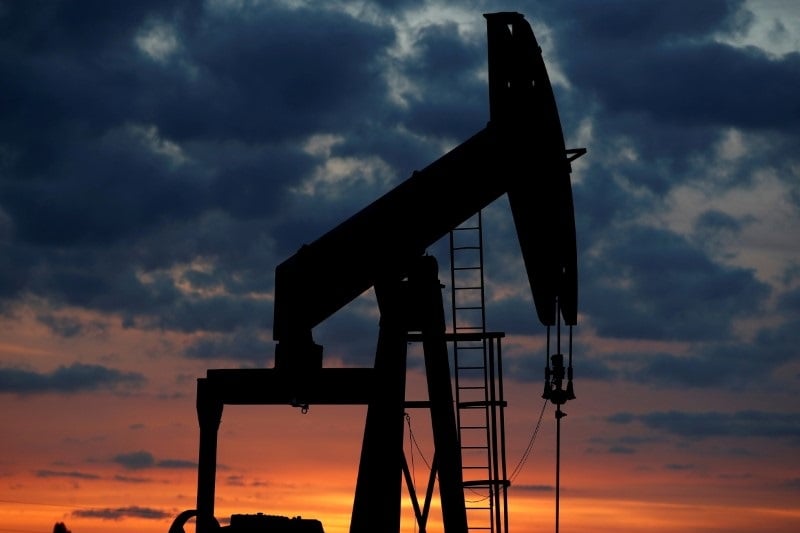
Tariff Tracker: Kuwait’s $16B Pipeline Leaseback Draws Blackstone, Brookfield, KKR as Geopolitical Risk Rises
💡 Consider infrastructure fund exposure via $BLK, $BAM, $KKR as they secure long-term tariff-based cash flows from Gulf oil networks. Monitor geopolitical risk: Iranian strikes on Kuwait raise insurance premiums and could pressure oil infrastructure valuations. No direct tariff impact from this deal, but it signals a broader trend of Gulf states monetizing assets to fund domestic investment. Avoid assuming stable operations until the Iran situation clarifies.
Kuwait Petroleum Corporation signed a $16 billion lease-and-leaseback deal for its crude oil pipeline network with Blackstone, Brookfield, and KKR, marking the largest foreign direct investment in Kuwait’s history. The transaction comes amid renewed Iranian attacks on Kuwaiti infrastructure and a collapsed U.S.-Iran truce, creating both opportunity and risk for energy investors.
(1) What happened — KPC executed a 20.5-year lease-and-leaseback structure called Project Peregrine, raising $7.85 billion in upfront proceeds. The deal transfers a 49% stake in a joint venture to Blackstone, Brookfield, and KKR, while KOC retains 51% ownership and operational control of the 320-km pipeline network. (2) Who — Kuwait Petroleum Corporation (state-owned), its unit Kuwait Oil Company, global investment firms Blackstone, Brookfield, KKR, and financial advisors Centerview Partners, HSBC, and JP Morgan. The transaction follows similar pipeline monetizations by Saudi Aramco, ADNOC, and Bapco Energies. (3) Tickers / sectors — $BLK, $BAM, $KKR (private equity infrastructure plays); $XOM, $CVX, $COP (oil majors benefiting from stable midstream demand); no direct U.S. tariff tickers are in the input facts. (4) Winners / losers — Winners: infrastructure-focused private equity funds and KPC, which gains capital for domestic investment. Losers: potential competitors for midstream assets face higher pricing, and investors exposed to Kuwaiti oil infrastructure face increased geopolitical risk from Iranian strikes. (5) What to watch — Escalation in Iranian attacks on Kuwaiti infrastructure, which could disrupt operations and raise insurance costs; how the upfront proceeds fund KPC’s capex plans; and whether similar leaseback structures expand to other Gulf producers.
Based on reporting from investing-com-stocks.
Read the full story
Original reporting and related coverage — attribution links only, not paid recommendations.
Trade this story
 Robinhood
 Webull
 Tradier
 IBKR
IBKR
- SAT-ACT prep with Growth Wise →
- Shop on Amazon →
- Chart on TradingView — $15 off your next plan →
- Research with Morningstar Investor →
Broker buttons use invite / refer-a-friend links (rewards may be capped). Other partner links may pay OppHub America a commission at no extra cost to you.
OppSHOP
Full OppSHOP →Curated tools and reads — shopping here helps keep OppHub America free.
Story playbook
A pre-built map of what to watch — stocks, ETFs, and educational next steps. Not personalized advice.
Snapshot date: July 25, 2026 at 9:18 AM EDT
This playbook was built when the story published and is not live-updated. Prices, news, and risk can change after this date — treat it as a starting map, not a current trade ticket.
Story → money map
Gulf infrastructure monetization
Kuwait just rented out part of its major oil pipeline system to three giant investment firms for $16 billion. While this brings steady cash to those firms, ongoing attacks in the region mean there is a higher risk of disruption.
What changed
Kuwait Petroleum Corporation signed a $16B pipeline leaseback deal with Blackstone, Brookfield, and KKR amid rising geopolitical tensions.
Who wins / who loses
Private equity infrastructure giants and KPC win upfront capital, while investors exposed to Kuwaiti energy face higher geopolitical risk.
Time horizon
Think in terms of the next few months.
Confidence & best fit
medium confidence · Long-term investor
Safer theme exposure (ETFs)
Baskets that own the theme without betting on one company.
Single stocks (higher risk)
Primary = closest to the story · Peers = same industry · Second-order = knock-on effects · Avoid = looks related but may be a trap
Primary
- $BLKWatch — track, don’t rush
Blackstone helps fund this huge project, which can bring in steady fees over time, but regional conflict adds risk.
View $BLK chart → · End-of-day delayed data
- $BAMWatch — track, don’t rush
Brookfield is part of the investing team buying a stake in the pipelines for steady future payments.
View $BAM chart → · End-of-day delayed data
- $KKRWatch — track, don’t rush
KKR joins the deal to collect cash from the oil pipelines, though Middle East tensions make operations tricky.
View $KKR chart → · End-of-day delayed data
Second-order
- $XOMWatch — track, don’t rush
Big oil companies watch these regions closely to ensure oil keeps moving safely without sudden supply shocks.
View $XOM chart → · End-of-day delayed data
Options (education only)
No strikes or expiries — a framework for how traders might express the view. Options can expire worthless.
Beginners should skip options here because political news in the Middle East can cause sudden, unpredictable price swings.
See options-friendly brokers →Income / OppHub America angle
Not a trade tip — ways to use the insight outside the market.
- Monitor global infrastructure funds and sovereign asset monetization trends in other Gulf states like Saudi Arabia and UAE.
What would break this thesis
- A major escalation in regional conflict that damages physical pipeline infrastructure or halts operations entirely.
What to do next on OppHub America
Saved playbooks stay on this device for now.
Important
Not financial advice. OppHub America playbooks are educational market maps only — not recommendations to buy, sell, or hold any security. Markets move fast; information can be wrong or outdated. Trade and invest at your own risk. Do your own research or consult a licensed advisor.