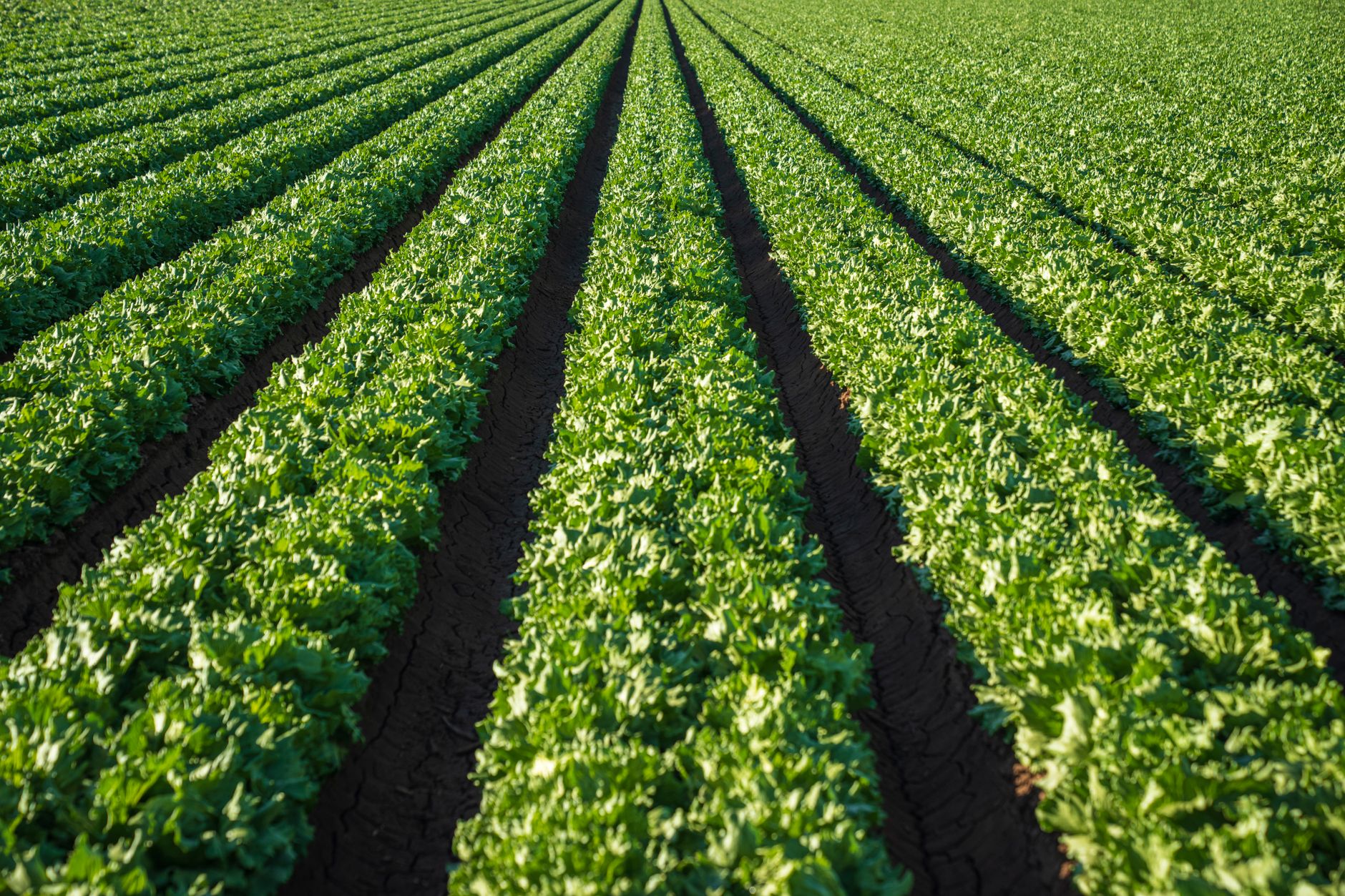
Taylor Farms Lettuce Recall Across 27 States Sparks Concerns for Cyclospora Contamination
💡 • Monitor stock price movements of major grocery chains and produce distributors like Kroger, Albertsons, or Dole for volatility tied to the recall. • Consider short-term opportunities in food safety technology stocks, such as companies that provide rapid testing or blockchain traceability. • Side hustlers in meal prep or food delivery should audit their lettuce suppliers and consider alternative greens to avoid supply gaps. • Real estate investors with grocery-anchored retail properties should watch for any temporary dip in tenant sales, but long-term impact is likely minimal. • Businesses in the affected states can offer free recall checks or safe-alternative promotions to attract wary consumers.
Taylor Farms has recalled lettuce products shipped to 27 states, including Texas, Florida, and Pennsylvania, due to potential cyclospora contamination. The parasite can cause diarrhea and other gastrointestinal issues. Investors and businesses in the food supply chain should monitor the situation for potential disruptions and liability risks.
Taylor Farms initiated a recall of certain lettuce products after they were found to have potential contamination with cyclospora, a parasite that causes diarrheal illness. The recalled items were distributed to 27 states, with notable mentions including Texas, Florida, Pennsylvania, Illinois, and New Jersey. The recall was announced on July 18, 2026, and affects products that may have been on store shelves prior to the notice.
Cyclospora infections can lead to prolonged gastrointestinal distress, and the recall is a precautionary measure to prevent widespread illness. The company has urged consumers to check their refrigerators for affected products and return them for a refund. This recall highlights ongoing challenges in the fresh produce industry regarding food safety and supply chain traceability.
For businesses in the grocery and food service sectors, the recall may cause short-term inventory shortages and increased scrutiny from regulators. Companies that rely on Taylor Farms as a supplier could face disruptions, especially in the affected states. Investors should watch for potential impacts on Taylor Farms' parent company or its competitors, as consumer trust in bagged lettuce brands may waver.
Side hustlers and small business owners in food delivery or meal prep services should verify their lettuce sources and communicate with customers about safety measures. The recall also opens opportunities for companies offering food safety testing or blockchain-based supply chain tracking to gain traction. Real estate investors with commercial properties leased to grocery chains may see minimal direct impact, but any prolonged consumer avoidance of lettuce could affect foot traffic.
The broader lesson for investors and entrepreneurs is the importance of diversification in food supply chains. Companies that invest in contamination prevention and rapid response systems may be better positioned to weather such recalls. Those holding stock in major produce distributors or retailers should monitor earnings calls for any mention of recall-related costs.
Read the full story
Original reporting and related coverage — attribution links only, not paid recommendations.
Trade this story


Broker buttons use invite / refer-a-friend links (rewards may be capped). Other partner links may pay OppHub a commission at no extra cost to you.
Tools & books on Amazon
Shop Amazon →Relevant gear and reads when you want to go deeper — OppHub may earn from qualifying purchases.
Build My Playbook
Turn this headline into a clear plan: what to watch, how to express it (stocks, ETFs, or options education), and how you’d know you’re wrong — for beginners and active traders. Not personalized advice.
You’ll get theme → ETFs → stocks → options education → side income → kill switches.