Market context for this story
Loading quotes…
Informational only — not investment advice. Full markets →
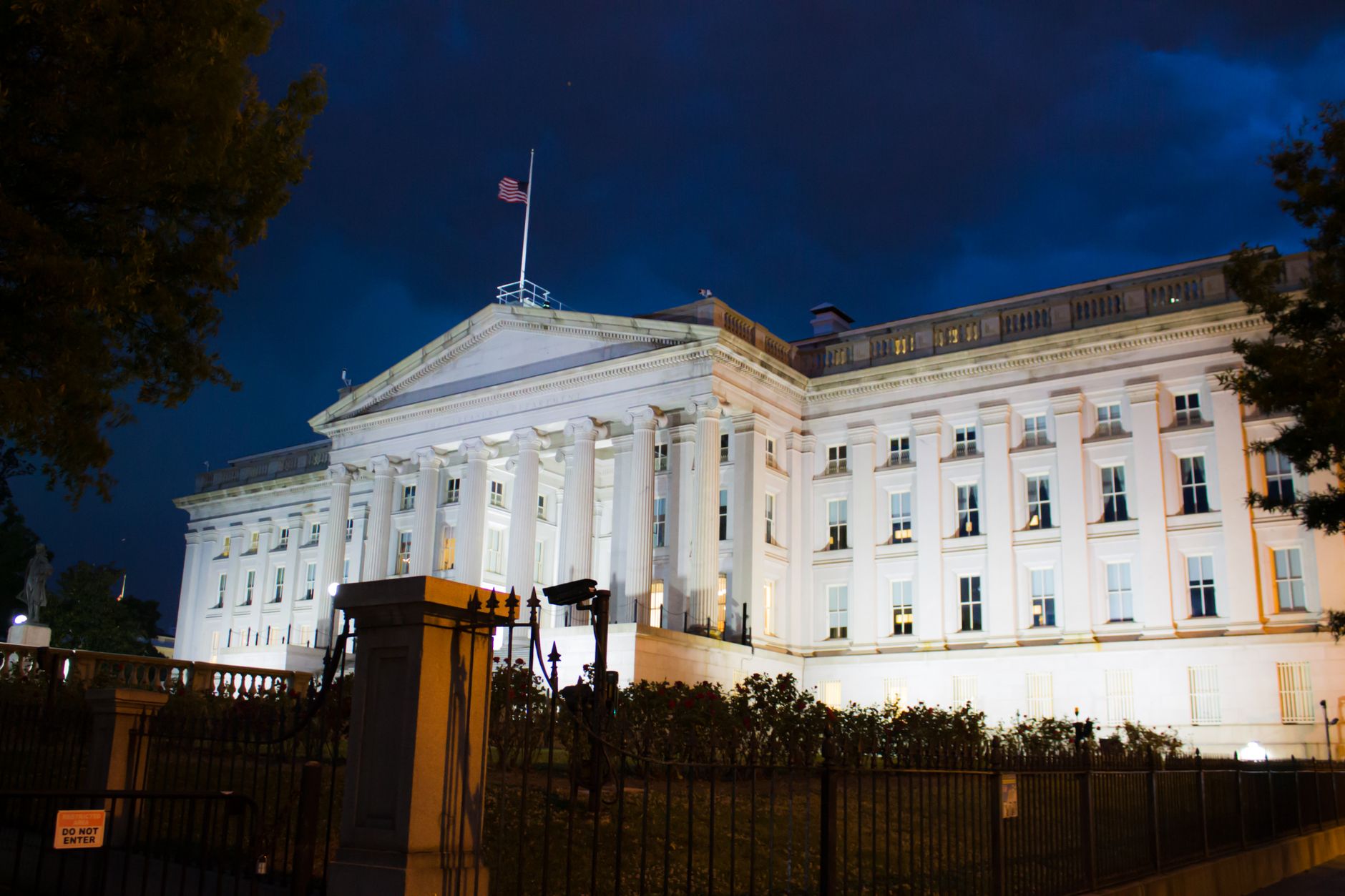
Trump Links Iran Strikes to Fallen Soldiers as Strait of Hormuz Tensions Spike
💡 - Energy stocks (XOM, CVX) and oil ETFs (USO) may rise if Strait of Hormuz disruptions continue. Consider adding exposure but set stop-losses. - Gold (GLD) and Treasury bonds (TLT) offer a safe-haven pivot as geopolitical risk escalates. - Avoid airlines (DAL, AAL) and shipping firms with heavy fuel costs until oil price stabilizes. - Defense contractors (LMT, RTX) could benefit from increased government spending on missile defense and naval security. - Crypto traders: watch for Bitcoin's reaction; a move above $30k could signal decoupling from equities, but beware of flash crashes.
President Trump stated U.S. military action against Iran honored American soldiers killed in previous attacks, while Iran retaliated across Syria and Jordan and two ships exploded near the Strait of Hormuz. The escalation threatens global oil flows and could reshape energy, defense, and shipping investments.
President Donald Trump declared that recent U.S. airstrikes on Iranian positions were carried out in tribute to American soldiers who died in earlier attacks attributed to Iranian-backed forces. The statement came amid a rapid escalation in the Middle East, with Iran launching counterstrikes in Syria and Jordan shortly afterward. The conflict now touches multiple fronts, raising the stakes for investors with exposure to energy markets and geopolitical risk.
In a significant development for global trade, two vessels reportedly exploded in the Strait of Hormuz, a critical chokepoint through which about 20% of the world's oil passes. The explosions have not been officially attributed, but the location signals a potential disruption to crude oil shipments. Tanker rates and war risk insurance premiums are likely to spike, directly impacting shipping companies and oil traders.
For investors, the immediate consequence is volatility in oil prices. Brent crude could surge if shipping through the strait becomes unsafe, benefiting energy producers but squeezing margins for airlines, logistics firms, and any business reliant on fuel. Defense contractors may also see a boost as governments accelerate military spending to secure supply routes.
The broader financial markets face uncertainty. Historically, such geopolitical shocks trigger a flight to safe havens like gold, the U.S. dollar, and Treasuries, while risk assets such as equities and cryptocurrencies often come under pressure. However, some crypto investors view Bitcoin as a hedge against currency instability, though its correlation with risk assets remains mixed.
Real estate investors should watch for inflation signals: if oil stays elevated, the Federal Reserve may hesitate to cut interest rates, keeping mortgage costs high. Commercial properties tied to energy-intensive industries could face headwinds, while data centers and infrastructure near defense hubs might see increased demand.
Side hustlers and small businesses should prepare for higher input costs. If you run an e-commerce store with overseas shipping, fuel surcharges could eat margins. On the opportunity side, traders can explore CFDs on oil futures or options on defense ETFs, but caution is warranted given the unpredictable nature of the conflict.
Read the full story
Original reporting and related coverage — attribution links only, not paid recommendations.
Trade this story


Broker buttons use invite / refer-a-friend links (rewards may be capped). Other partner links may pay OppHub a commission at no extra cost to you.
Tools & books on Amazon
Shop Amazon →Relevant gear and reads when you want to go deeper — OppHub may earn from qualifying purchases.
Build My Playbook
Turn this headline into a clear plan: what to watch, how to express it (stocks, ETFs, or options education), and how you’d know you’re wrong — for beginners and active traders. Not personalized advice.
You’ll get theme → ETFs → stocks → options education → side income → kill switches.