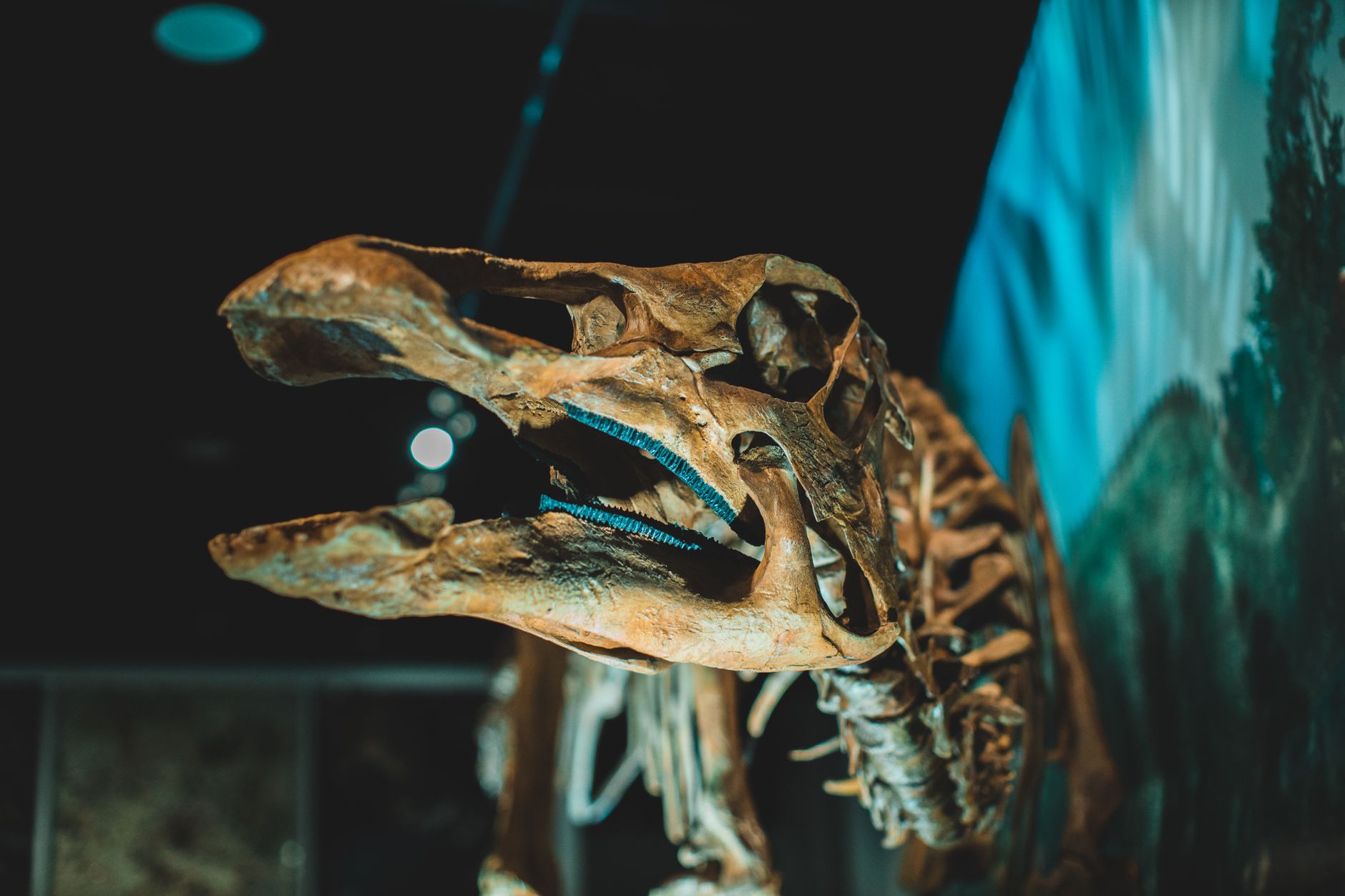
Dinosaur Fossil Auction Opens Up a Prehistoric Asset Class for Investors
💡 💰 Actionable opportunities tied to this fossil auction: • Explore allocating up to 5% of a diversified portfolio to collectibles (fossils, rare minerals) as an inflation hedge. • Consider forming a fractional ownership syndicate with other investors to bid on Gus or future fossil lots. • Contact Sotheby's or a fossil broker about pre-auction financing or secured loans using rare specimens as collateral. • Evaluate acquiring a smaller, less expensive dinosaur skeleton ($100k–$5M range) for corporate display or museum loan tax deductions. • Network with paleontology consulting firms to offer services to new fossil owners (appraisal, restoration, display design).
A complete Tyrannosaurus rex skeleton named Gus is hitting the auction block this week with a price tag up to $30 million. For wealthy investors and alternative asset collectors, rare dinosaur fossils represent a niche but high-value market where scarcity drives long-term appreciation and tax diversification strategies.
A nearly complete Tyrannosaurus rex fossil, referred to as Gus, is scheduled for auction this Tuesday. The specimen carries an estimated value of around $30 million, placing it among the most expensive prehistoric fossils ever offered to private buyers. The sale follows a trend in which natural history artifacts have shifted from museum acquisitions to high-net-worth individuals and alternative asset funds.
For investors and business owners, dinosaur fossils function similarly to blue-chip art or rare collectibles. They are finite in supply, scientifically significant, and carry a public relations halo that can enhance corporate branding or serve as a museum-loan asset that generates tax benefits. Unlike traditional securities, fossils are tangible assets with no direct correlation to stock market movements, making them attractive for portfolio diversification.
The auction market for dinosaur bones has grown over the past decade, with private buyers often paying premiums for completeness, size, and provenance. A T. rex fossil, in particular, has cultural cachet that drives demand from international collectors, including those in Asia and the Middle East. This global interest creates a liquid secondary market for the rarest specimens.
From a side-hustle perspective, the rise in private fossil sales has also boosted demand for professional fossil preparators, authenticators, and restoration specialists. Individuals with geology or paleontology backgrounds can find consulting opportunities advising auction houses or private collectors on valuation and conservation.
Businesses that operate luxury goods or experiential retail could use a fossil acquisition as a flagship attraction. Exhibiting a T. rex skeleton at a high-end hotel, private club, or retail space can drive foot traffic and media coverage, potentially offsetting the purchase price through increased revenue and brand lift.
Investors should note that the fossil market remains unregulated, and ownership documentation, export permits, and provenance verification are critical. Auction houses like Sotheby's, which is handling the Gus sale, provide due diligence but final responsibility for title lies with the buyer.
Based on reporting from NPR Economy.
Structured tickers, ETFs, hedges, and invalidation triggers from this story — not personalized advice.