Barry, OppHub America Desk · · Source: yahoo-tickers-tape-movers
U.S. Bancorp Dividend Payout Rate and Sector Yield Analysis
Income-focused strategies monitor bank payout ratios relative to the 20 percent to 60 percent sustainability corridor.
Based on reporting from yahoo-tickers-tape-movers.
U.S. Bancorp allocates 40 percent of its earnings toward shareholder dividends, positioning its payout within standard sustainable bands. Investors evaluating banking income options examine this capital return framework against broader market indices as broader tape activity navigates mixed sessions on Sunday, November 15, 2026.
Market context for this story
As of: WeekendLoading quotes…
Informational only — not investment advice. Full markets →
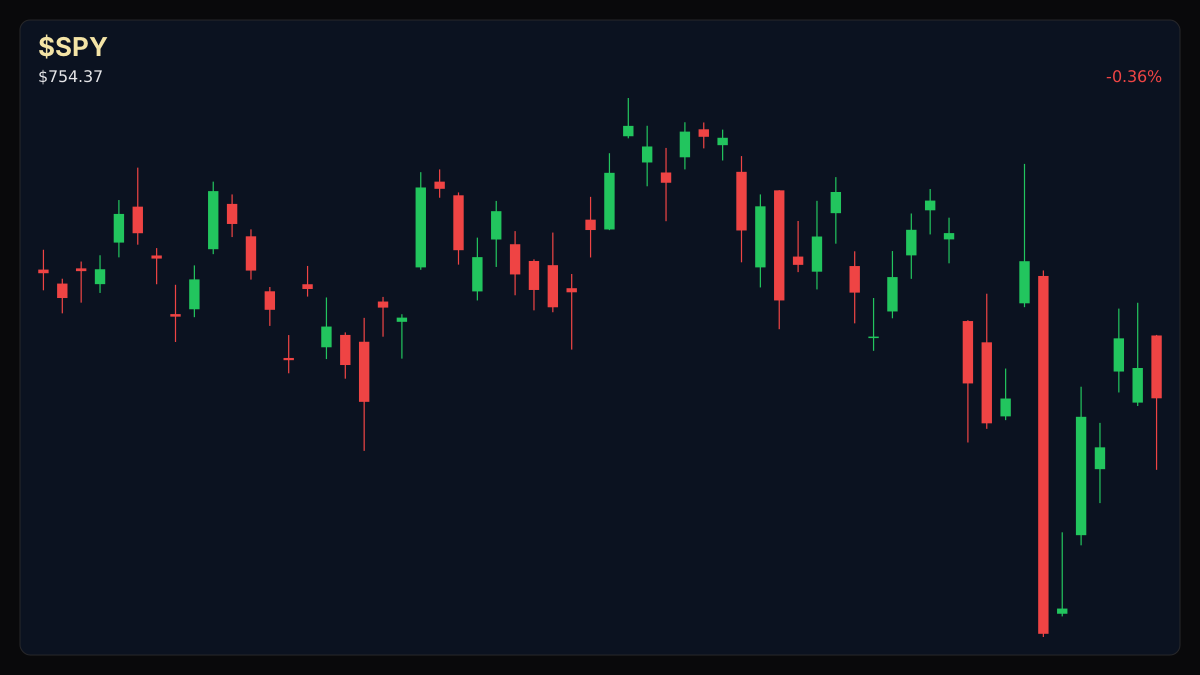
 SPDR S&P 500 ETF·$SPY
$SPYSPDR S&P 500 ETF
TradingView
Live chart & market data via TradingView · OppHub classroom · Delayed or exchange real-time per TradingView data agreements · Not investment advice
Educational TradingView chart — search any symbol in the widget. Confirm on /markets/SPY. Not investment advice.
Related markets
Shares a vertical MP4 loop to your phone's camera roll or app share sheet (Instagram, TikTok, Facebook Reels).
### Money Play Capital return models across the banking sector highlight dividend sustainability thresholds between 20 percent and 50 percent, where payout ratios below the lower bound signal conservative capital allocation and ratios exceeding 60 percent introduce distribution pressures.
### Session Tape Market activity reflects divergent sector movements across primary benchmarks and capitalization tiers.
## Catalyst Analysis: Capital Allocation and Dividend Headroom U.S. Bancorp distributes 40 percent of its net income as dividends, establishing a midpoint within standard corporate payout parameters. Industry metrics indicate that distribution ratios remaining under the 20 percent threshold can signify under-returned capital, whereas figures surpassing 50 or 60 percent risk constraining balance sheet flexibility during industry downturns. The bank's ongoing dividend policy provides income-focused participants with a quantifiable baseline for assessing forward-looking distribution adjustments.
## Market Context & Valuation Metrics Broader equity benchmarks demonstrate relative positioning alongside major indices, with the S&P 500 recording a 0.4 percent movement during recent tape observations. Equity valuations across financial institutions incorporate prevailing dividend yields and total return performance over trailing annual periods.
Read the full story
Original reporting and related coverage — attribution links only, not paid recommendations.
Trade this story
 Robinhood
 Webull
 Tradier
 IBKR
Chart this story
 TradingView
Broker and exchange buttons use invite / refer-a-friend links (rewards may be capped). Charting links (TradingView) are partner offers that may pay OppHub America a commission at no extra cost to you.
OppSHOP
Full OppSHOP →As an Amazon Associate, OppHub America earns from qualifying purchases. Shopping here helps keep the site free — at no extra cost to you. Disclosure

OppSHOP
Related to this story
Income-focused strategies monitor bank payout ratios relative to the 20
Shop related →

Investing books
Read the classics
Shop this pick →

Personal finance books
Run the household books
Shop this pick →

Trading notebooks
Write the thesis first
Shop this pick →

Monitor for charts
See every pane
Shop this pick →
Story playbook
A pre-built map of what to watch — stocks, ETFs, and educational next steps. Not personalized advice.
Snapshot date: November 15, 2026 at 2:30 PM ET
This playbook was built when the story published and is not live-updated. Prices, news, and risk can change after this date — treat it as a starting map, not a current trade ticket.
Story → money map
banking dividend income
A major bank is paying out a safe portion of its profits to shareholders as dividends. Investors watch these rates to ensure companies reward owners without risking their cash reserves.
What changed
U.S. Bancorp maintained a stable 40 percent dividend payout ratio, highlighting standard corporate capital return norms within the banking sector.
Who wins / who loses
Conservative dividend-paying banks benefit from steady income demand, while hyper-growth stocks or over-leveraged high-yielders face relative capital rotation pressures.
Time horizon
Think in terms of the next few months.
Confidence & best fit
medium confidence · Long-term investor, Side income / builder
Safer theme exposure (ETFs)
Baskets that own the theme without betting on one company.
- $KBE — A basket of many different bank stocks so you don't have to pick just one.
- $NOBL — A collection of reliable companies known for steadily raising their dividend payments over time.
Single stocks (higher risk)
Primary = closest to the story · Peers = same industry · Second-order = knock-on effects · Avoid = looks related but may be a trap
Primary
- $USBWatch — track, don’t rush
This is the actual bank in the story, which safely shares part of its earnings with shareholders.
View $USB chart → · End-of-day delayed data
Peer
- $JPMBuild slowly — only if it fits your plan
A massive, stable bank that also pays regular dividends to investors.
View $JPM chart → · End-of-day delayed data
- $BACWatch — track, don’t rush
Another giant bank used by income investors to compare dividend safety.
View $BAC chart → · End-of-day delayed data
- $PNCWatch — track, don’t rush
A similar regional bank whose dividend habits match industry norms.
View $PNC chart → · End-of-day delayed data
Options (education only)
No strikes or expiries — a framework for how traders might express the view. Options can expire worthless.
Direction: range · Style: Covered-call income (only if you already own shares) · Level: intermediate
Beginners should skip options; think of it like charging a small fee to rent out your shares for extra income.
Income / OppHub America angle
Not a trade tip — ways to use the insight outside the market.
- Review high-yield savings accounts and certificates of deposit as fixed-income alternatives to bank stocks.
What would break this thesis
- Sudden macroeconomic shocks forcing banks to slash dividend payouts to preserve capital reserves.
What to do next on OppHub America
Saved playbooks stay on this device for now.
Important
Not financial advice. OppHub America playbooks are educational market maps only — not recommendations to buy, sell, or hold any security. Markets move fast; information can be wrong or outdated. Trade and invest at your own risk. Do your own research or consult a licensed advisor.
Based on reporting from yahoo-tickers-tape-movers.
Informational and educational only — not investment, financial, or legal advice. Disclosure
Shares a vertical MP4 loop to your phone's camera roll or app share sheet (Instagram, TikTok, Facebook Reels).