Market context for this story
Loading quotes…
Informational only — not investment advice. Full markets →
Barry, OppHub America Desk · · Source: bbc-us
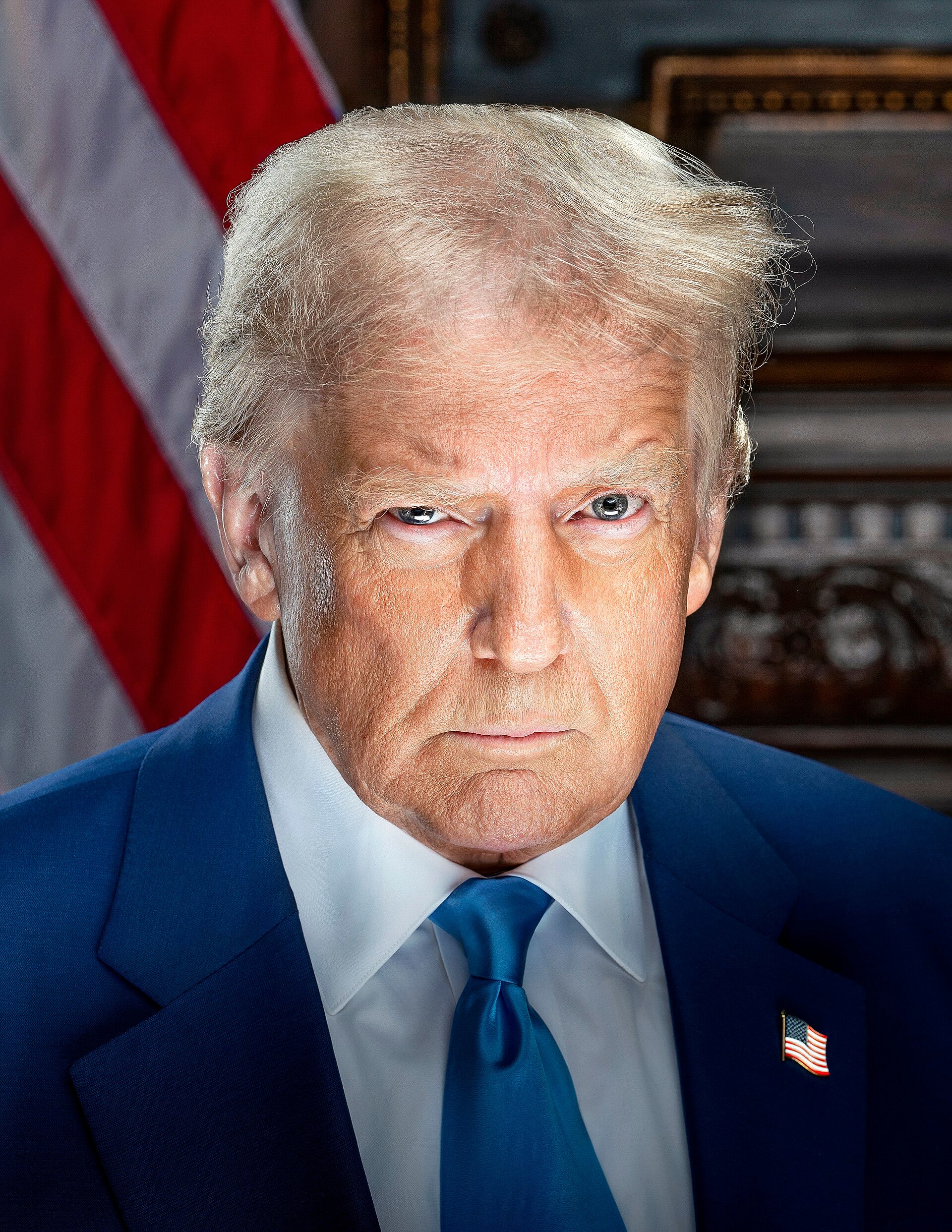
US-Iran Tensions: Oil Prices, Investment Impact Amid Trump Diplomacy Pause
💡 Monitor global oil prices closely; sustained de-escalation could ease upward pressure, while renewed conflict could drive prices higher, impacting energy sector stock performance.,Watch for any policy statements from the Trump administration regarding Iran, as shifts in diplomatic or military strategy can create volatility in related investment sectors.,Evaluate refinery crack spreads and inventory prints, as these metrics will reflect the real-time impact of Strait of Hormuz stability on oil and gas corporations.


President Trump has paused military actions against Iran to allow for diplomatic talks, a move confirmed by the US ambassador to the UN. This diplomatic window follows a period of escalating US and Iranian attacks, which recently pushed oil prices to a multi-month high, underscoring the energy market's sensitivity to Middle Eastern stability.
What happened: President Trump has halted US attacks on Iran for a second consecutive night, reportedly to create space for diplomatic talks. This pause follows a recent surge in hostilities, including US airstrikes and Iranian retaliatory actions, which had previously rescinded a June ceasefire agreement.
Who: US Ambassador to the UN, Mike Waltz, confirmed President Trump's directive to pause military actions for diplomacy. Iranian military spokespersons also indicated a halt to their retaliatory attacks. International figures, including the new UK Defence Secretary Wes Streeting, are preparing to discuss the security of the Strait of Hormuz.
Tickers / sectors: Escalating tensions drove oil prices to $100 a barrel for the first time since May. This directly impacts the energy sector, including oil exploration ($SLB, $HAL) and refining companies ($MPC, $VLO). While President Trump's administration policies influence broad market sentiment, there is no direct $DJT equity angle related to this specific event.
Winners / losers: A de-escalation of hostilities could stabilize global oil supplies, potentially benefiting oil-importing economies and consumers. Conversely, prolonged instability and supply disruptions in the Strait of Hormuz, a critical oil transit route, could be inflationary globally and act as a tailwind for oil and gas producers.
What to watch: The duration and outcomes of US-Iran diplomatic efforts will be critical. Discussions surrounding the management of the Strait of Hormuz, especially involving the UK and US, will be closely monitored. Any shifts in military postures or renewed attacks could quickly reverse market sentiment and oil price trends.
Based on reporting from bbc-us.
Read the full story
Original reporting and related coverage — attribution links only, not paid recommendations.
Trade this story
 Robinhood
 Webull
 Tradier
 IBKR
IBKR
Chart this story
 TradingView
Broker and exchange buttons use invite / refer-a-friend links (rewards may be capped). Charting links (TradingView) are partner offers that may pay OppHub America a commission at no extra cost to you.
OppSHOP
Full OppSHOP →Curated tools and reads — shopping here helps keep OppHub America free.
Story playbook
A pre-built map of what to watch — stocks, ETFs, and educational next steps. Not personalized advice.
Snapshot date: July 26, 2026 at 3:49 PM ET
This playbook was built when the story published and is not live-updated. Prices, news, and risk can change after this date — treat it as a starting map, not a current trade ticket.
Story → money map
oil supply
The US and Iran have paused fighting to try and talk things out, which helps calm down oil prices for now. People who invest in oil and gas are watching closely because any sudden change could make energy prices jump or drop.
What changed
President Trump paused military actions against Iran to open a window for diplomatic talks.
Who wins / who loses
Consumers and oil-importing economies benefit from de-escalation, while oil producers face downward pressure on prices if supply risks fade.
Time horizon
Think in terms of the next few weeks.
Confidence & best fit
medium confidence · Active trader
Safer theme exposure (ETFs)
Baskets that own the theme without betting on one company.
Single stocks (higher risk)
Primary = closest to the story · Peers = same industry · Second-order = knock-on effects · Avoid = looks related but may be a trap
Primary
- $SLBWatch — track, don’t rush
Oil services companies rely on steady drilling; if oil prices bounce around, their business can get unpredictable.
View $SLB chart → · End-of-day delayed data
Peer
- $HALWatch — track, don’t rush
Like SLB, Halliburton tracks how much oil companies are willing to spend when global tensions flare.
View $HAL chart → · End-of-day delayed data
Second-order
- $MPCWatch — track, don’t rush
Refiners turn crude into gasoline; they need steady oil supplies to keep their profit margins stable.
View $MPC chart → · End-of-day delayed data
- $VLOWatch — track, don’t rush
Another major gasoline maker that watches global shipping lanes very closely.
View $VLO chart → · End-of-day delayed data
Options (education only)
No strikes or expiries — a framework for how traders might express the view. Options can expire worthless.
Options are too risky and expensive right now because sudden news headlines can change oil prices overnight. Beginners should skip options here.
See options-friendly brokers →Income / OppHub America angle
Not a trade tip — ways to use the insight outside the market.
- Review household utility and fuel budgets to absorb potential near-term energy price swings.
What would break this thesis
- A total breakdown in diplomacy leading to immediate military action and sustained Strait of Hormuz blockages.
What to do next on OppHub America
Saved playbooks stay on this device for now.
Important
Not financial advice. OppHub America playbooks are educational market maps only — not recommendations to buy, sell, or hold any security. Markets move fast; information can be wrong or outdated. Trade and invest at your own risk. Do your own research or consult a licensed advisor.