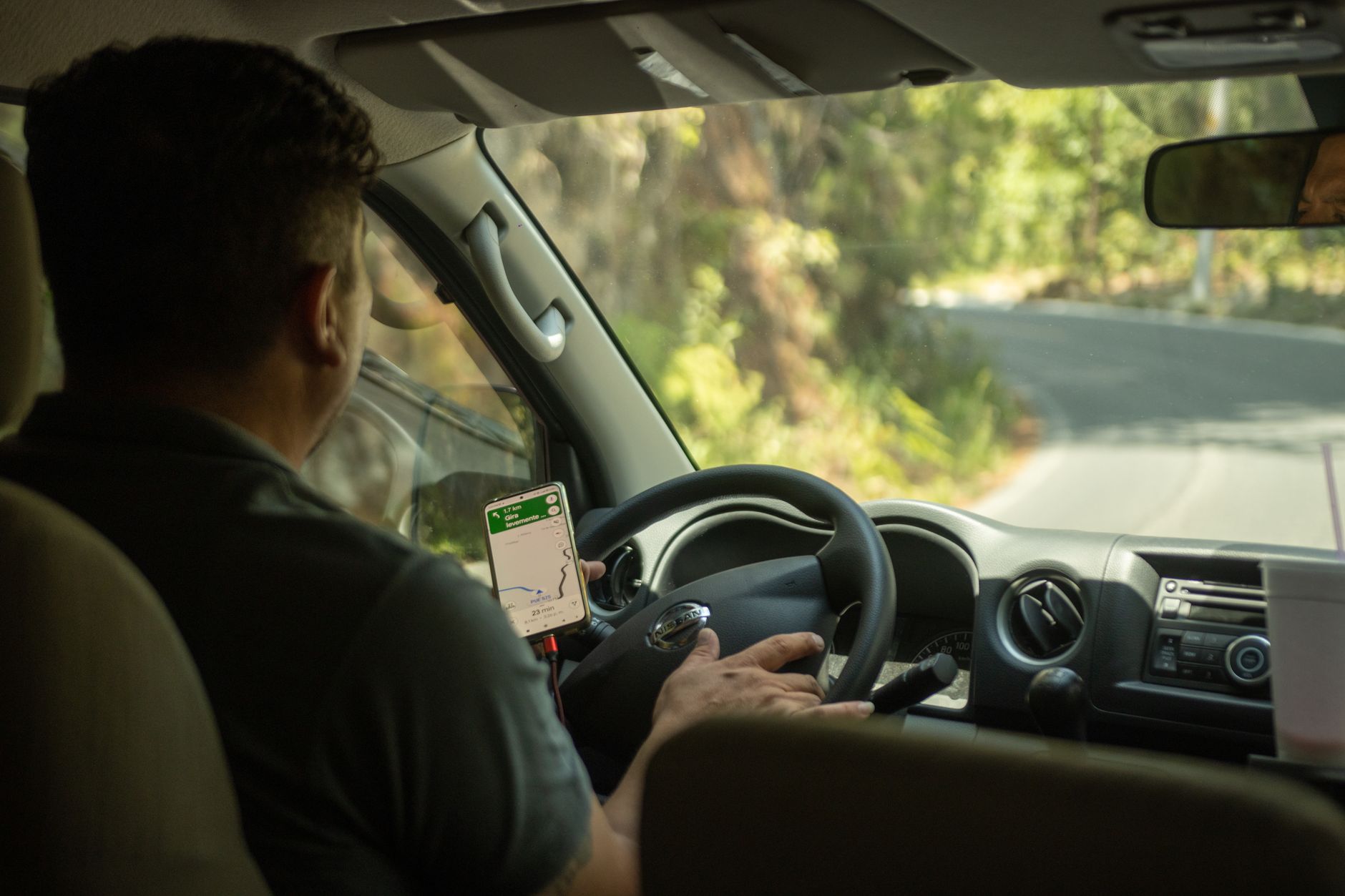
U.S. Riders and Drivers Gain New Options as Uber-Waymo Exclusivity Ends in Atlanta and Austin
💡 The end of exclusivity creates new monetization and partnership avenues in the U.S. AV sector. It allows other ride-hail, delivery, and logistics platforms to compete by integrating Waymo's technology, potentially leading to new revenue-sharing models, fleet investment opportunities, and service innovations for American businesses.
A major shift in the U.S. autonomous vehicle landscape is set for 2028 as Uber and Waymo end their exclusive partnership in Atlanta and Austin, opening the door for new competition, consumer choice, and potential business opportunities for American drivers and fleet operators.
A key exclusivity deal in the American autonomous vehicle market is coming to an end, promising to reshape competition and consumer choice in two major U.S. tech hubs. Starting in 2028, Waymo's fully driverless ride-hailing service will no longer be exclusive to the Uber app in Atlanta, Georgia, and Austin, Texas.
### What's Changing for American Consumers and Businesses?
* **For Riders:** Customers in these cities will gain the ability to book a Waymo autonomous vehicle through multiple competing apps and platforms, not just Uber. This increased competition is expected to improve service options, pricing, and availability. * **For Drivers and Fleets:** The end of exclusivity potentially opens new avenues for American entrepreneurs and fleet operators. Other ride-hail companies, delivery services, or logistics platforms could integrate Waymo's technology, creating new partnership and business model opportunities beyond the Uber ecosystem. * **Market Competition:** This move fractures a previously walled garden, allowing other U.S. tech and transportation companies to compete directly by offering access to the same advanced autonomous vehicle technology. It signals a maturation of the AV market from exclusive partnerships to a more open, competitive landscape.
### The U.S. Opportunity Angle
The dissolution of this exclusivity pact is more than a corporate contract change; it represents a broadening of access to leading-edge American technology. By decoupling a premier autonomous driving system from a single ride-hail platform, the deal:
1. **Democratizes Access:** Allows other U.S. businesses to build services on top of Waymo's driverless platform, fostering innovation in mobility, delivery, and beyond. 2. **Accelerates Adoption:** Increased availability across multiple apps could speed up public familiarity and acceptance of autonomous vehicles in key American cities. 3. **Creates Ecosystem Opportunities:** Encourages the development of a more robust and competitive market around autonomous vehicles, benefiting software developers, service operators, and ultimately, American consumers.
The 2028 timeline gives the market several years to prepare for this more open competitive environment, which is likely to serve as a test case for other U.S. cities and partnerships.
Based on reporting from cnbc-top.
Read the full story
Original reporting and related coverage — attribution links only, not paid recommendations.
Trade this story
 Robinhood
 Webull
 Tradier
 IBKR
IBKR
Broker buttons use invite / refer-a-friend links (rewards may be capped). Other partner links may pay OppHub America a commission at no extra cost to you.
OppSHOP
Full OppSHOP →Curated tools and reads — shopping here helps keep OppHub America free.
Story playbook
A pre-built map of what to watch — stocks, ETFs, and educational next steps. Not personalized advice.
Snapshot date: July 25, 2026 at 1:38 AM EDT
This playbook was built when the story published and is not live-updated. Prices, news, and risk can change after this date — treat it as a starting map, not a current trade ticket.
Story → money map
Autonomous Vehicles
Uber and Waymo are stopping their exclusive robotaxi deal in two major U.S. cities, which means other tech and taxi apps will soon be able to offer self-driving rides. This creates fresh business opportunities for competitors and fleet owners to jump into the self-driving race.
What changed
Waymo and Uber are ending their exclusive robotaxi partnership in Atlanta and Austin by 2028, opening the door for multiple apps to offer autonomous rides.
Who wins / who loses
Alternative ride-hailing platforms and fleet operators win by gaining access to Waymo tech, while Uber loses its exclusive moat in those key markets.
Time horizon
Think in terms of the next few months.
Confidence & best fit
medium confidence · Long-term investor
Safer theme exposure (ETFs)
Baskets that own the theme without betting on one company.
Single stocks (higher risk)
Primary = closest to the story · Peers = same industry · Second-order = knock-on effects · Avoid = looks related but may be a trap
Primary
- $UBERWatch — track, don’t rush
Uber has to share its self-driving partner with other apps in two big cities, which might pressure its market share.
View $UBER chart → · End-of-day delayed data
- $GOOGLBuild slowly — only if it fits your plan
Google's self-driving car unit can now make deals with more companies, potentially growing its revenue.
View $GOOGL chart → · End-of-day delayed data
Second-order
- $LYFTWatch — track, don’t rush
Uber's main rival now has a chance to offer self-driving cars too.
View $LYFT chart → · End-of-day delayed data
Options (education only)
No strikes or expiries — a framework for how traders might express the view. Options can expire worthless.
Since these changes are years away, options trades do not make sense right now. Beginners should stick to watching how the companies adapt.
See options-friendly brokers →Income / OppHub America angle
Not a trade tip — ways to use the insight outside the market.
- Local fleet management or maintenance businesses in Atlanta and Austin positioning for multi-platform AV servicing.
What would break this thesis
- Waymo extending exclusivity terms with Uber or pivoting entirely to a proprietary-only network.
What to do next on OppHub America
Saved playbooks stay on this device for now.
Important
Not financial advice. OppHub America playbooks are educational market maps only — not recommendations to buy, sell, or hold any security. Markets move fast; information can be wrong or outdated. Trade and invest at your own risk. Do your own research or consult a licensed advisor.