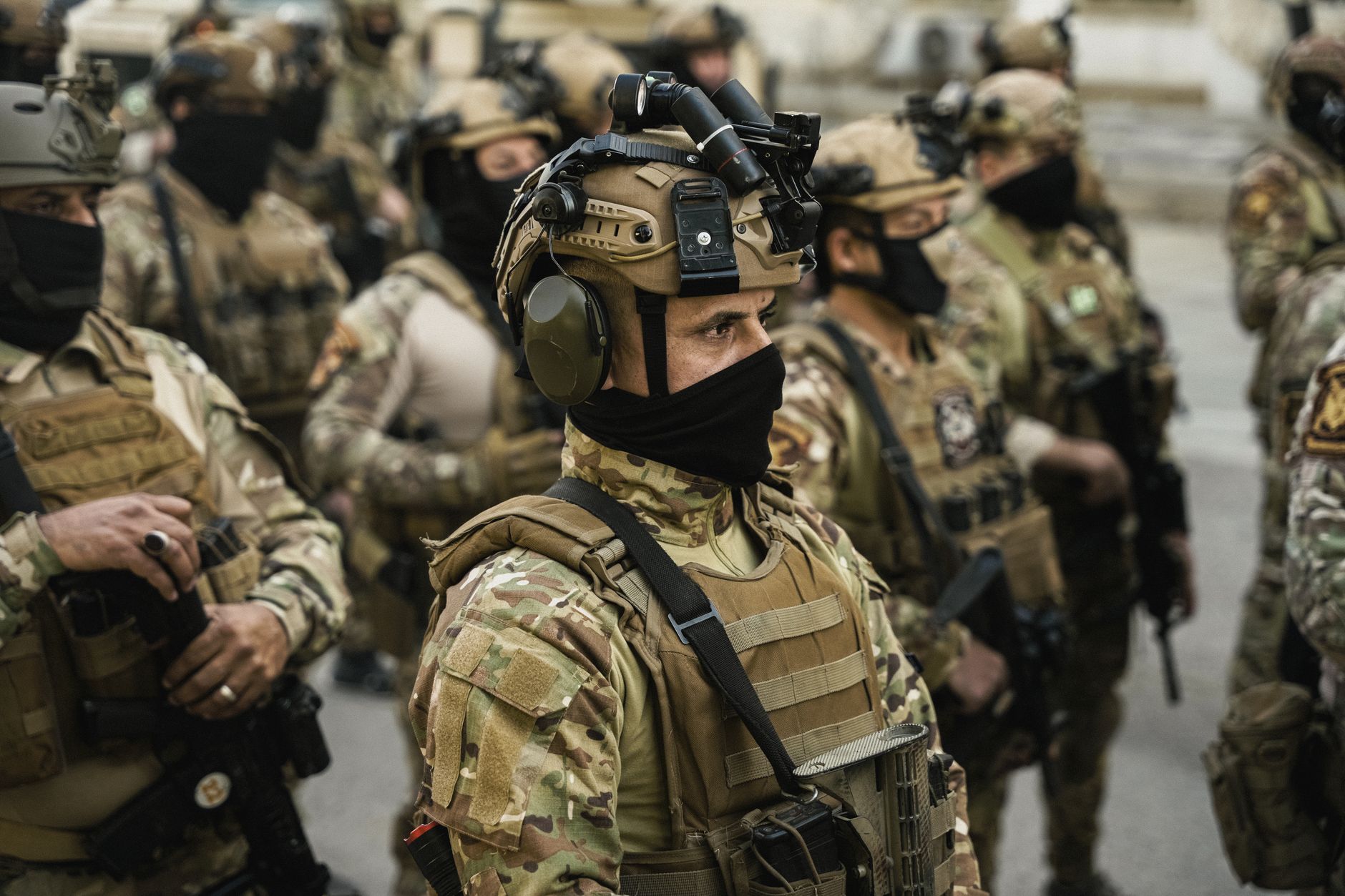
Escalating Iran Conflict: 2 More US Soldiers Killed in Jordan Attack
💡 🔹 Defense stocks (e.g., Lockheed Martin, Northrop Grumman) may see upward momentum as military spending escalates. 🔹 Energy ETFs and oil futures could gain from supply disruption fears; consider hedging with energy sector exposure. 🔹 Gold and silver are traditional safe havens; allocate a portion of portfolio to precious metals. 🔹 Cryptocurrencies like Bitcoin may act as alternative stores of value; monitor for volatility. 🔹 Short-term traders can look at volatility indices (VIX) or inverse ETFs to profit from market uncertainty. 🔹 Businesses with Middle East contracts should review insurance and supply chain contingency plans.
The US military has confirmed two additional casualties from an Iranian attack on Jordan, bringing the total American death toll in the ongoing conflict with Iran to 17. This escalation heightens geopolitical risk, potentially affecting defense stocks, energy prices, and safe-haven assets.
The Pentagon identified two American soldiers killed in the Iranian assault on Jordan, as reported by PBS NewsHour. This incident raises the total number of US military fatalities in the war with Iran to 17, according to official figures. The attack underscores the persistent volatility in the Middle East, a region critical to global energy supplies and military operations.
For investors, such geopolitical flashpoints often trigger immediate market reactions. Defense contractors typically see increased demand as governments boost military spending. Energy prices, particularly crude oil, may spike due to supply concerns from the Strait of Hormuz or regional instability. Historically, similar events have also driven capital toward safe-haven assets like gold and the US dollar.
Businesses with exposure to Middle Eastern markets or supply chains face heightened risk. Companies in logistics, construction, and energy exploration may experience disruptions. Conversely, cybersecurity firms and domestic infrastructure providers could benefit from heightened security spending by governments and corporations.
Real estate markets in the US are less directly affected but may see indirect effects through rising interest rates if inflation expectations climb due to oil price shocks. Crypto markets, often viewed as a hedge against geopolitical turmoil, might see increased trading volume and price volatility, though correlation with traditional safe havens varies.
Side hustlers and entrepreneurs should monitor sector-specific trends. For example, freelance defense analysts or consultants with expertise in Middle East geopolitics may find increased demand. Energy trading, either through stocks or commodities, could present short-term opportunities for those with risk tolerance.
Ultimately, the attack on Jordan and the rising death toll signal a prolonged conflict, making it prudent for investors to reassess portfolio exposure to geopolitical risk. Diversification into defensive sectors and alternative assets remains a common strategy during such periods.
Read the full story
Original reporting and related coverage — attribution links only, not paid recommendations.
Trade this story


Broker buttons use invite / refer-a-friend links (rewards may be capped). Other partner links may pay OppHub a commission at no extra cost to you.
Tools & books on Amazon
Shop Amazon →Relevant gear and reads when you want to go deeper — OppHub may earn from qualifying purchases.
Build My Playbook
Turn this headline into a clear plan: what to watch, how to express it (stocks, ETFs, or options education), and how you’d know you’re wrong — for beginners and active traders. Not personalized advice.
You’ll get theme → ETFs → stocks → options education → side income → kill switches.