Water Insecurity in Nairobi Slum Creates Dangerous Conditions for Women, Sextortion Reported
💡 Watch for humanitarian aid announcements or government contracts that could open investment in water treatment and distribution infrastructure in underserved regions. Consider social impact funds focusing on water access in Africa. Avoid direct exposure to areas where informal cartels control resources unless security mitigation is in place.
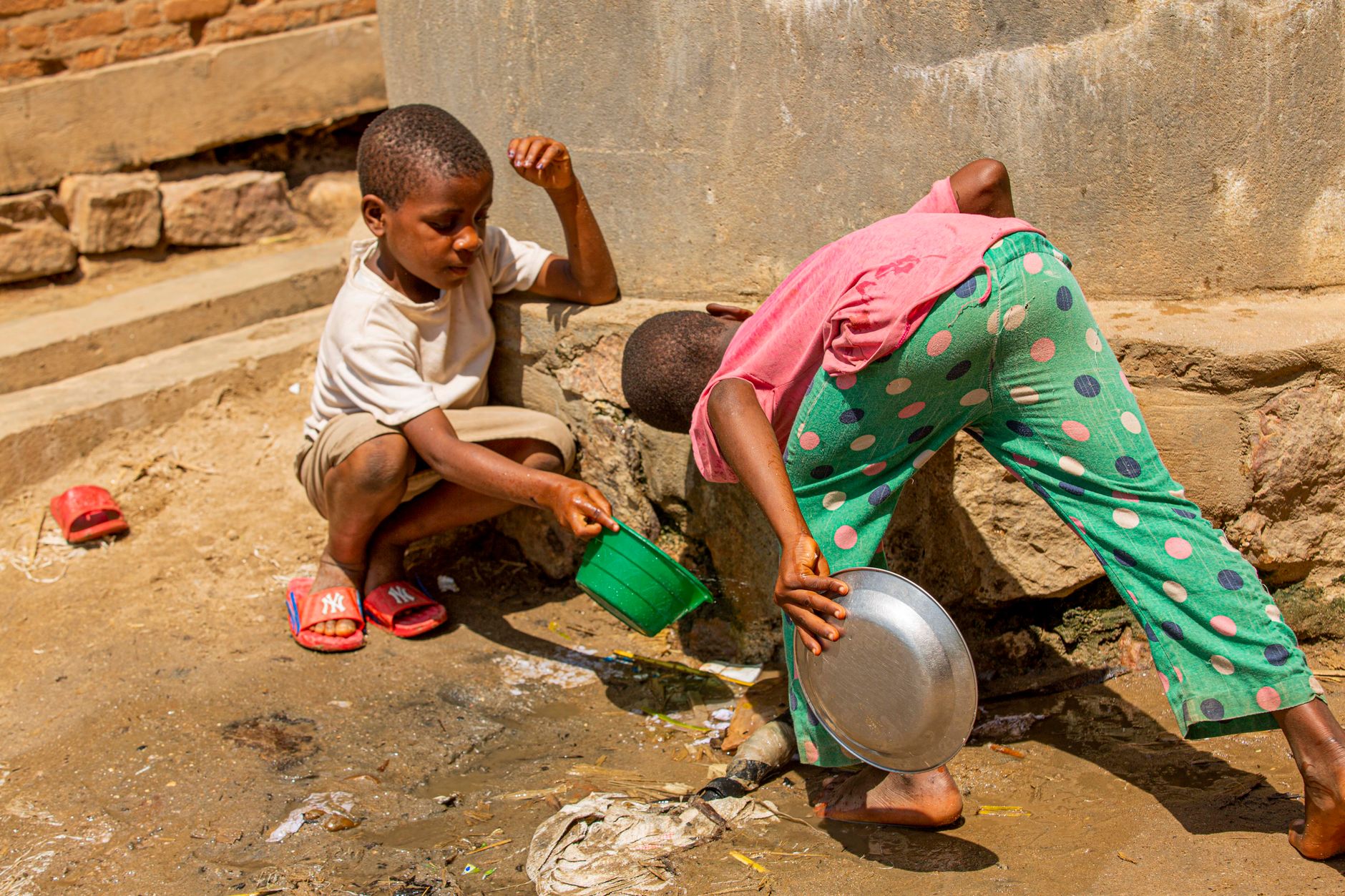
Women in Nairobi's largest slum face sexual threats and attacks from local water cartels as they try to obtain clean water. The scarcity of water has empowered criminal groups that exploit vulnerable residents, creating a humanitarian crisis that also raises risks for businesses and investors involved in water infrastructure.
What happened: In Nairobi's largest slum, women attempting to buy clean water are being subjected to sextortion and sexual violence by local water cartels that control access. The cartels exploit the severe water scarcity to coerce and threaten women, turning a basic necessity into a source of criminal abuse.
Who: The victims are women living in the slum; the perpetrators are members of local water cartels. No named government agencies, companies, or officials are mentioned in the report. The story highlights a systemic failure in water governance and security.
Tickers / sectors: No clear equity angle. The report does not name any public companies, sectors, or financial instruments. The water cartels are informal criminal organizations, not publicly traded entities. Investors should note that water scarcity in developing regions can create risks for multinational firms with local supply chains, but no direct ticker is indicated.
Winners / losers: Winners could include organizations investing in decentralized water treatment or purification technologies that bypass cartel control. Losers are the women facing violence and the broader community suffering from lack of safe water access. Water cartels benefit from the scarcity but face potential disruption from humanitarian interventions.
What to watch: No specific next calendar event is given. Investors and NGOs should monitor any local government or international aid responses that could alter the water supply dynamics in Nairobi's slums, potentially creating opportunities for infrastructure projects or social impact bonds.
Based on reporting from npr-news.
Read the full story
Original reporting and related coverage — attribution links only, not paid recommendations.
Trade this story
 Robinhood
 Webull
 Tradier
 IBKR
IBKR
- Form a U.S. company with Zenind →
- SAT-ACT prep with Growth Wise →
- Shop on Amazon →
- Launch a site with Hostinger →
Broker buttons use invite / refer-a-friend links (rewards may be capped). Other partner links may pay OppHub America a commission at no extra cost to you.
OppSHOP
Full OppSHOP →Curated tools and reads — shopping here helps keep OppHub America free.
Story playbook
A pre-built map of what to watch — stocks, ETFs, and educational next steps. Not personalized advice.
Snapshot date: July 25, 2026 at 1:48 PM EDT
This playbook was built when the story published and is not live-updated. Prices, news, and risk can change after this date — treat it as a starting map, not a current trade ticket.
Story → money map
water infrastructure and social impact investing
Criminal groups in a Nairobi slum are exploiting a severe water shortage to abuse vulnerable residents trying to buy clean water. Investors care because this highlights a major need for better water pipes and purification systems, which could attract government and charity funding.
What changed
Reports of criminal cartels exploiting severe water shortages in Nairobi slums highlight the critical need for secure, decentralized water infrastructure.
Who wins / who loses
Winners include developers of decentralized water purification tech, while losers include communities suffering from scarce safe water and informal cartel vulnerabilities.
Time horizon
Think in terms of the next few months.
Confidence & best fit
low confidence · Long-term investor
Low confidence → prefer ETFs and “Watch,” not rushing into one stock.
Safer theme exposure (ETFs)
Baskets that own the theme without betting on one company.
Single stocks (higher risk)
Primary = closest to the story · Peers = same industry · Second-order = knock-on effects · Avoid = looks related but may be a trap
Second-order
- $XYLWatch — track, don’t rush
Large companies that make water pipes and cleaning filters could get new contracts if governments decide to fix these water problems.
View $XYL chart → · End-of-day delayed data
Options (education only)
No strikes or expiries — a framework for how traders might express the view. Options can expire worthless.
Beginners should skip options here entirely since there are no direct stocks tied to this humanitarian news.
See options-friendly brokers →Income / OppHub America angle
Not a trade tip — ways to use the insight outside the market.
- Support local NGOs and humanitarian organizations working on secure water access in East Africa.
What would break this thesis
- Lack of government or NGO funding directed toward local infrastructure improvements.
What to do next on OppHub America
Saved playbooks stay on this device for now.
Important
Not financial advice. OppHub America playbooks are educational market maps only — not recommendations to buy, sell, or hold any security. Markets move fast; information can be wrong or outdated. Trade and invest at your own risk. Do your own research or consult a licensed advisor.