Yellowstone Bison Attack on Grandfather Sparks Safety Concerns for Outdoor Tourism and Related Investments
💡 Review any REITs or small-cap holdings with exposure to gateway communities near Yellowstone; consider short-term downside risk for outdoor equipment retailers. Look for insurance premium increases across park concessionaires and tour operators as a potential sector-wide cost pressure. Monitor any new safety regulations that may require investment in fencing or monitoring systems, creating opportunities for infrastructure companies.
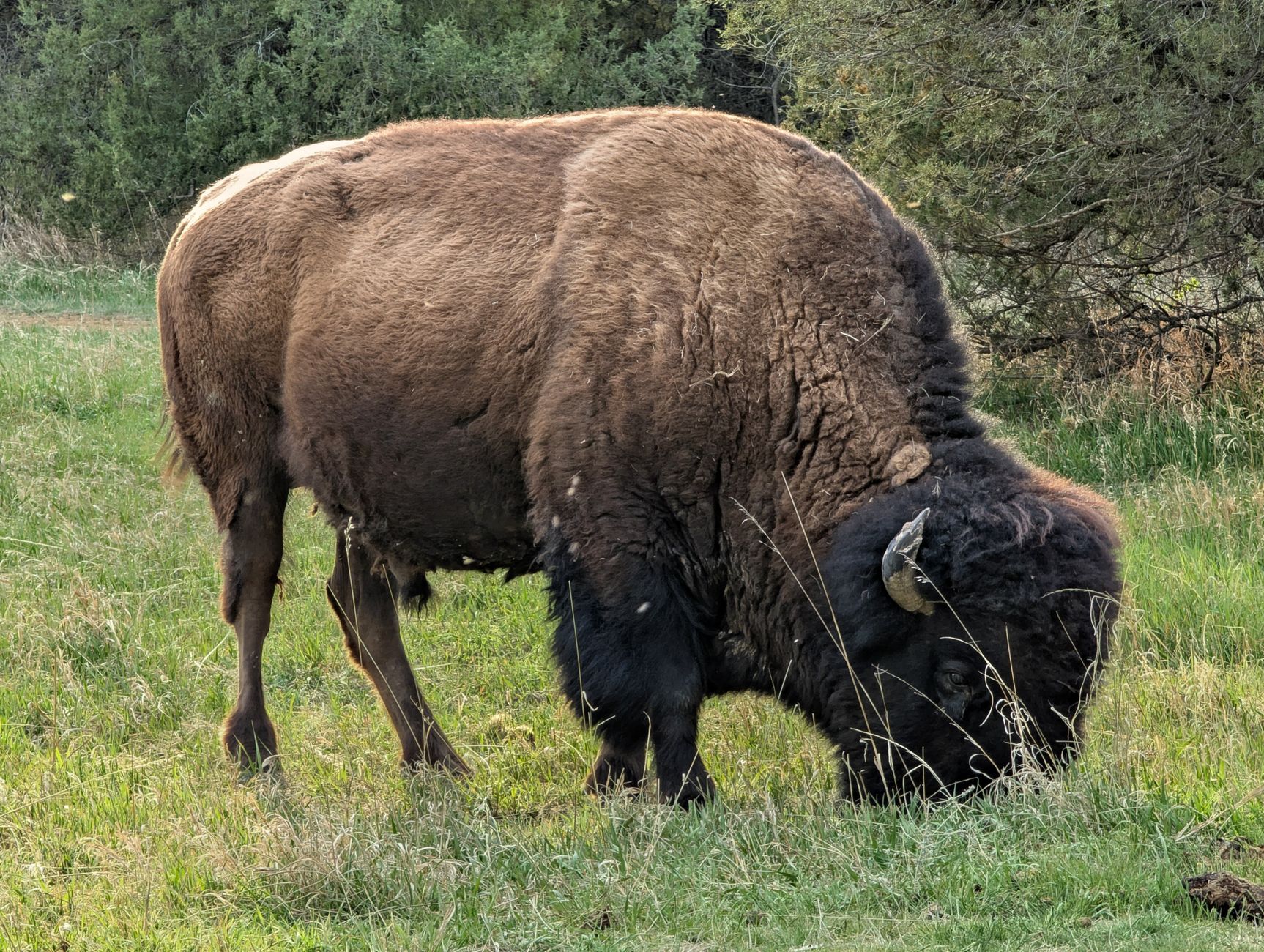
A grandfather and his grandson were charged by a bison in Yellowstone National Park, with the animal throwing the man several meters into the air after they initially appeared to be at a safe distance. This incident highlights potential liability and visitation risks that could impact outdoor recreation businesses, park-related real estate, and insurance sectors.
According to a report from the BBC US & Canada, a bison rammed a grandfather in Yellowstone National Park, propelling him several meters into the air. The man and his grandson were initially observed at a distance that seemed safe before the bison quickly chased them down, leading to the violent encounter. The event underscores the unpredictable nature of wildlife in national parks, especially during peak tourist seasons when human-animal interactions are more frequent.
Yellowstone, a major tourist destination drawing millions of visitors annually, relies heavily on visitor spending at nearby hotels, guided tours, and outdoor gear rentals. An incident of this severity could prompt temporary closures of certain trails or viewing areas, reducing foot traffic and revenue for local businesses such as lodges, restaurants, and souvenir shops. For investors, any dip in visitor numbers may affect the performance of publicly traded companies with significant exposure to park tourism, like hospitality chains or outdoor equipment makers.
Real estate markets in gateway communities (e.g., West Yellowstone, Montana) often see seasonal fluctuations tied to park safety headlines. While single events rarely cause long-term price corrections, repeated safety concerns could dampen demand for vacation rentals or second homes near the park. Investors holding properties in these areas should monitor visitor sentiment and any new park regulations that may limit access.
From an insurance perspective, the attack raises questions about liability coverage for National Park concessions and tour operators. Companies offering wildlife tours or photography expeditions may face higher premiums if incidents like this become more common. Conversely, personal injury lawyers and litigation-focused funds could see increased activity if victims pursue claims against park management or guiding services.
Crypto and alternative asset markets are unlikely to be directly affected, but any broader negative sentiment around travel safety can weigh on tourism-focused cryptocurrencies or tokenized hospitality projects. The U.S. Department of the Interior may also face pressure to enhance visitor education or install barriers, which could mean government contracts for construction or tech firms supplying safety infrastructure.
Read the full story
Original reporting and related coverage — attribution links only, not paid recommendations.
Trade this story


Partner links — OppHub may earn a commission at no extra cost to you.
Structured tickers, ETFs, hedges, and invalidation triggers from this story — not personalized advice.