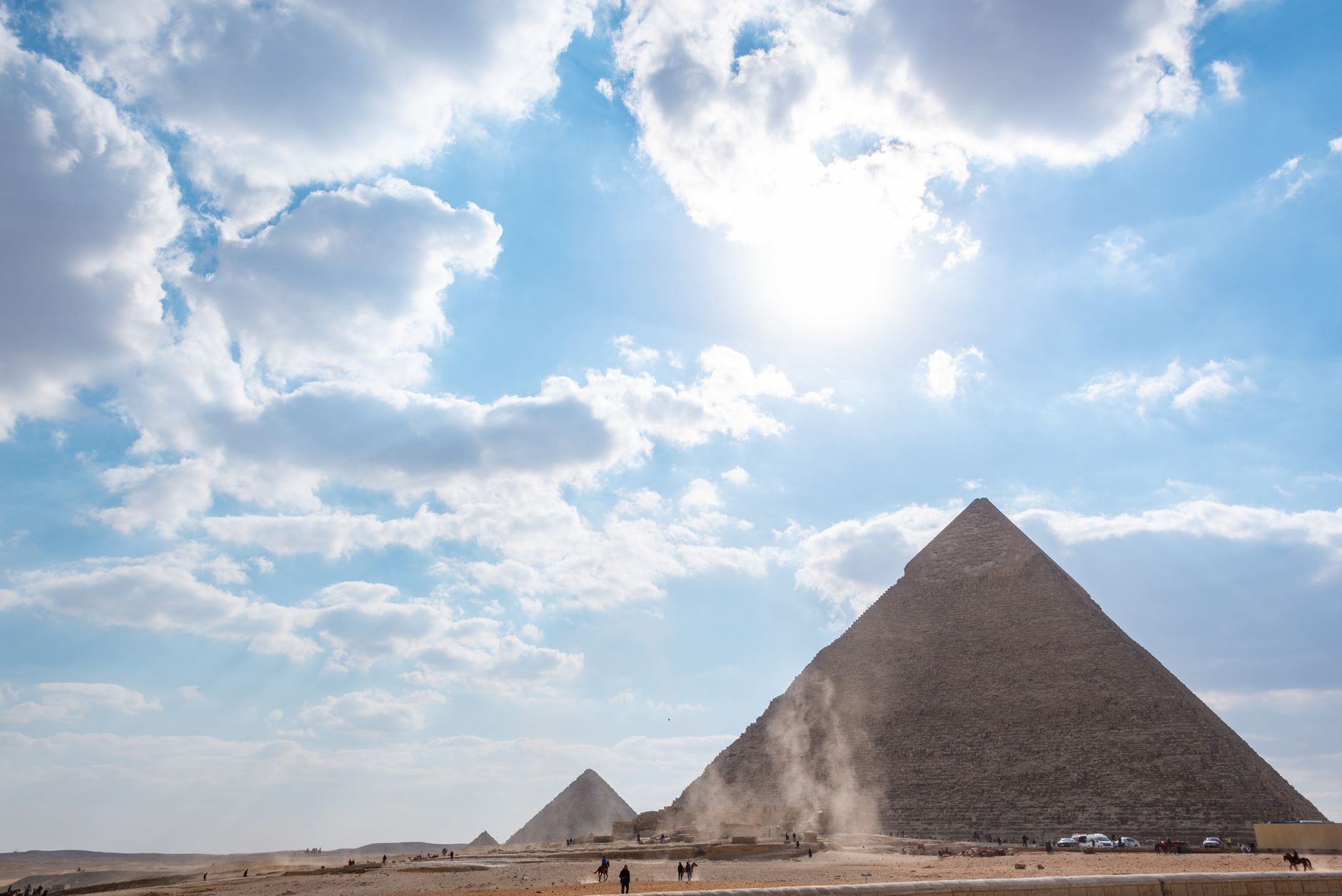
Egypt’s 106°F Heat Wave Opens Cooling Market Gaps for Investors and Businesses
💡 Consider monitoring Egypt's energy import data for signs of increased power demand and any government contracts for cooling infrastructure. No direct tickers are available, but property developers in Cairo or solar companies could see tailwinds. Watch for policy shifts on air conditioning subsidies or building codes that might create new market openings for thermal insulation or off-grid cooling products.
Egypt is facing temperatures of 106°F this week, reviving old cooling strategies as air conditioning is not yet widespread. This extreme heat highlights infrastructure gaps that could signal investment opportunities in energy, cooling equipment, and adaptation technologies. The story, originally from NPR News, carries a political backdrop that affects regional stability and supply chains.
What happened: Temperatures in Egypt are forecast to hit 106 degrees Fahrenheit this week, with residents relying on traditional cooling methods from the 1990s, when air conditioning was uncommon. The current heat wave, reported in July 2026, underscores ongoing climate adaptation challenges in a key Middle Eastern economy.
Who: The story centers on Egyptian citizens and their daily survival strategies, with no direct mention of government bodies, companies, or U.S. agencies. The reporting comes from NPR News, a U.S. media outlet covering the political and social implications of the heat.
Tickers / sectors: No specific public company tickers or sectors are named in the input facts. The heat event indirectly points to potential demand shifts in the cooling, power grid, and construction sectors, but no equity angle is directly cited.
Winners / losers: Residents without air conditioning are clear losers, facing health and productivity risks. Companies that produce portable cooling devices, solar-powered fans, or energy-efficient building materials could see indirect benefit from rising demand, though no such firms are named in the source material.
What to watch: No next calendar item, vote, hearing, or data release is mentioned in the facts. Observers should monitor Egyptian energy ministry statements on grid strain, any policy responses to extreme heat, and international aid or investment announcements tied to climate adaptation.
Based on reporting from npr-news.
Read the full story
Original reporting and related coverage — attribution links only, not paid recommendations.
Trade this story
 Robinhood
 Webull
 Tradier
 IBKR
IBKR
- SAT-ACT prep with Growth Wise →
- Shop on Amazon →
- Launch a site with Hostinger →
- Form a U.S. company with Zenind →
Broker buttons use invite / refer-a-friend links (rewards may be capped). Other partner links may pay OppHub America a commission at no extra cost to you.
OppSHOP
Full OppSHOP →Curated tools and reads — shopping here helps keep OppHub America free.
Story playbook
A pre-built map of what to watch — stocks, ETFs, and educational next steps. Not personalized advice.
Snapshot date: July 25, 2026 at 1:38 PM EDT
This playbook was built when the story published and is not live-updated. Prices, news, and risk can change after this date — treat it as a starting map, not a current trade ticket.
Story → money map
Climate adaptation and infrastructure
Egypt is experiencing a dangerous 106-degree heat wave that points out a major lack of air conditioning and modern cooling infrastructure. Investors care because extreme weather creates a growing business demand for solar power, cooling equipment, and better-insulated buildings.
What changed
A severe 106°F heat wave in Egypt has intensified focus on the country's lack of widespread air conditioning and modern climate resilience infrastructure.
Who wins / who loses
Egyptian residents and power grids face severe strain and health risks, while developers of energy-efficient building materials, solar power, and cooling solutions stand to benefit.
Time horizon
Think in terms of the next few months.
Confidence & best fit
low confidence · Long-term investor
Low confidence → prefer ETFs and “Watch,” not rushing into one stock.
Safer theme exposure (ETFs)
Baskets that own the theme without betting on one company.
Single stocks (higher risk)
Primary = closest to the story · Peers = same industry · Second-order = knock-on effects · Avoid = looks related but may be a trap
Second-order
- $NEEWatch — track, don’t rush
Clean energy companies could see more demand as countries try to upgrade their power grids for extreme heat.
View $NEE chart → · End-of-day delayed data
- $ETNWatch — track, don’t rush
This company makes electrical equipment needed to upgrade power grids against heavy heat loads.
View $ETN chart → · End-of-day delayed data
Options (education only)
No strikes or expiries — a framework for how traders might express the view. Options can expire worthless.
Beginners should skip options here entirely since there is no direct company stock tied to the news.
See options-friendly brokers →Income / OppHub America angle
Not a trade tip — ways to use the insight outside the market.
- Research emerging market infrastructure funds focused on the Middle East and North Africa.
What would break this thesis
- Rapid normalization of weather patterns or quick government intervention that eases power grid strain.
What to do next on OppHub America
Saved playbooks stay on this device for now.
Important
Not financial advice. OppHub America playbooks are educational market maps only — not recommendations to buy, sell, or hold any security. Markets move fast; information can be wrong or outdated. Trade and invest at your own risk. Do your own research or consult a licensed advisor.