Barry, OppHub America Desk · · Source: oilprice-main
Middle East Tanker Attacks Drive Oil Higher Despite Flow Recovery
Energy markets reflect ongoing geopolitical risk premiums as tanker bottlenecks constrain physical transport.
Based on reporting from oilprice-main.
Geopolitical tensions and ongoing attacks on commercial tankers in the Persian Gulf continue to support higher crude futures despite conflicting reports of recovering Middle East export volumes. According to Kpler data cited in recent coverage, daily flows and strait crossings remain vulnerable to military escalation, driving up freight rates and spotlighting structural supply limits across the global shipping fleet.
Market context for this story
As of: WeekendLoading quotes…
Informational only — not investment advice. Full markets →

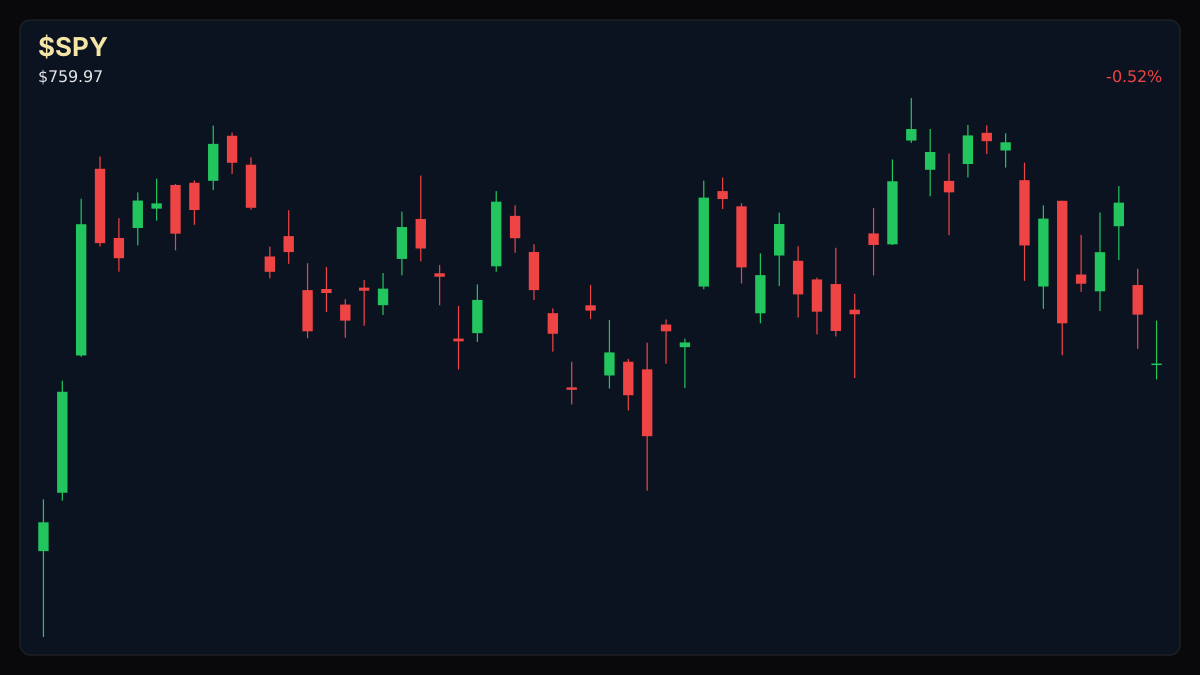
$SPYSPDR S&P 500 ETF
TradingView
Live chart & market data via TradingView · OppHub classroom · Delayed or exchange real-time per TradingView data agreements · Not investment advice
Educational TradingView chart — search any symbol in the widget. Confirm on /markets/SPY. Not investment advice.
Related markets
Shares a vertical MP4 loop to your phone's camera roll or app share sheet (Instagram, TikTok, Facebook Reels).
Geopolitical friction in the Middle East continues to drive crude pricing higher as persistent attacks on maritime transport offset signs of recovering regional oil exports.
### Catalyst Analysis: What Changed - Conflicting regional metrics: Kpler figures cited by Reuters indicate that while some monthly export averages out of the Persian Gulf showed resilience, separate tracking highlights sharp drops during periods of heightened military activity. - Strait of Hormuz disruptions: Crude crossing the strait fell 27% from a wartime high to at least 10.1 million barrels a day in early October, as documented by Kpler analysts. - Tanker safety and fleet constraints: Data from the UK Maritime Trade Operations and regional reports point to dozens of ships hit in Hormuz during the first 20 days of October, restricting mainstream tanker capacity and driving ship-to-ship transfer rates to record highs.
### Impact on Energy and Maritime Logistics Persistent security risks in key shipping chokepoints have forced market participants to weigh raw volume metrics against the logistical costs of transit. Reports of potential policy shifts—such as discussions regarding sanctions relief for specific tankers—face structural hurdles, with industry analysts noting that the available shadow fleet cannot easily migrate back into mainstream commercial trading.
### Winners, Decoupled Flows & Uncertainty Physical crude markets and futures markets have exhibited divergence, with physical prices showing weakness in certain segments even as futures remain elevated due to risk premiums. Elevated freight costs and vessel scarcity continue to complicate maritime distribution networks originating from the Persian Gulf.
### Risk Watch — Legal, Fleet & Regulatory Limits Market participants continue to monitor tanker security, transit bottlenecks, and potential administrative adjustments to international shipping sanctions. S&P Global Energy analytics emphasize that sanctions relief does not automatically translate into immediately usable mainstream tanker capacity, keeping supply-chain vulnerability elevated through the winter demand cycle.
Read the full story
Original reporting and related coverage — attribution links only, not paid recommendations.
Trade this story
 Robinhood
 Webull
 Tradier
 IBKR
Chart this story
 TradingView
Broker and exchange buttons use invite / refer-a-friend links (rewards may be capped). Charting links (TradingView) are partner offers that may pay OppHub America a commission at no extra cost to you.
OppSHOP
Full OppSHOP →As an Amazon Associate, OppHub America earns from qualifying purchases. Shopping here helps keep the site free — at no extra cost to you. Disclosure

OppSHOP
Related to this story
Energy markets reflect ongoing geopolitical risk premiums as tanker bott
Shop related →

Investing books
Read the classics
Shop this pick →

Personal finance books
Run the household books
Shop this pick →

Trading notebooks
Write the thesis first
Shop this pick →
Monitor for charts
See every pane
Shop this pick →
Story playbook
A pre-built map of what to watch — stocks, ETFs, and educational next steps. Not personalized advice.
Snapshot date: October 25, 2026 at 11:09 PM ET
This playbook was built when the story published and is not live-updated. Prices, news, and risk can change after this date — treat it as a starting map, not a current trade ticket.
Story → money map
oil supply and shipping logistics
Violence in the Middle East is making it harder and more expensive to ship oil across the ocean. Investors care because supply bottlenecks can push up global energy costs and fuel inflation.
What changed
Persistent military attacks and security risks in the Strait of Hormuz have constrained mainstream tanker capacity and driven up shipping costs despite some recovering export volumes.
Who wins / who loses
Energy producers and shipping logistics providers benefit from higher oil prices and transport rates, while airlines, consumers, and energy-importing manufacturers face higher costs.
Time horizon
Think in terms of the next few weeks.
Confidence & best fit
medium confidence · Active trader
Safer theme exposure (ETFs)
Baskets that own the theme without betting on one company.
Single stocks (higher risk)
Primary = closest to the story · Peers = same industry · Second-order = knock-on effects · Avoid = looks related but may be a trap
Primary
- $XOMBuild slowly — only if it fits your plan
Large oil companies make more money when oil prices go up.
View $XOM chart → · End-of-day delayed data
Peer
- $CVXBuild slowly — only if it fits your plan
Another major oil producer that gains when energy prices rise.
View $CVX chart → · End-of-day delayed data
Second-order
- $OXYWatch — track, don’t rush
An American oil driller whose stock price often follows global oil trends.
View $OXY chart → · End-of-day delayed data
Avoid / trap
- $DALProtect — reduce risk
Jet fuel costs go up when oil prices rise, hurting airline profits.
View $DAL chart → · End-of-day delayed data
Options (education only)
No strikes or expiries — a framework for how traders might express the view. Options can expire worthless.
Direction: volatile · Style: Bullish defined-risk call idea · Level: intermediate
Beginners should generally skip options here because geopolitical news is unpredictable and can reverse quickly, making options risky.
Income / OppHub America angle
Not a trade tip — ways to use the insight outside the market.
- Review local fuel budgeting and transportation costs for small businesses reliant on delivery fleets.
What would break this thesis
- A formal diplomatic ceasefire or guaranteed naval escorts that immediately normalize Strait of Hormuz transit and lower freight rates.
What to do next on OppHub America
Saved playbooks stay on this device for now.
Important
Not financial advice. OppHub America playbooks are educational market maps only — not recommendations to buy, sell, or hold any security. Markets move fast; information can be wrong or outdated. Trade and invest at your own risk. Do your own research or consult a licensed advisor.
Based on reporting from oilprice-main.
Informational and educational only — not investment, financial, or legal advice. Disclosure
Shares a vertical MP4 loop to your phone's camera roll or app share sheet (Instagram, TikTok, Facebook Reels).