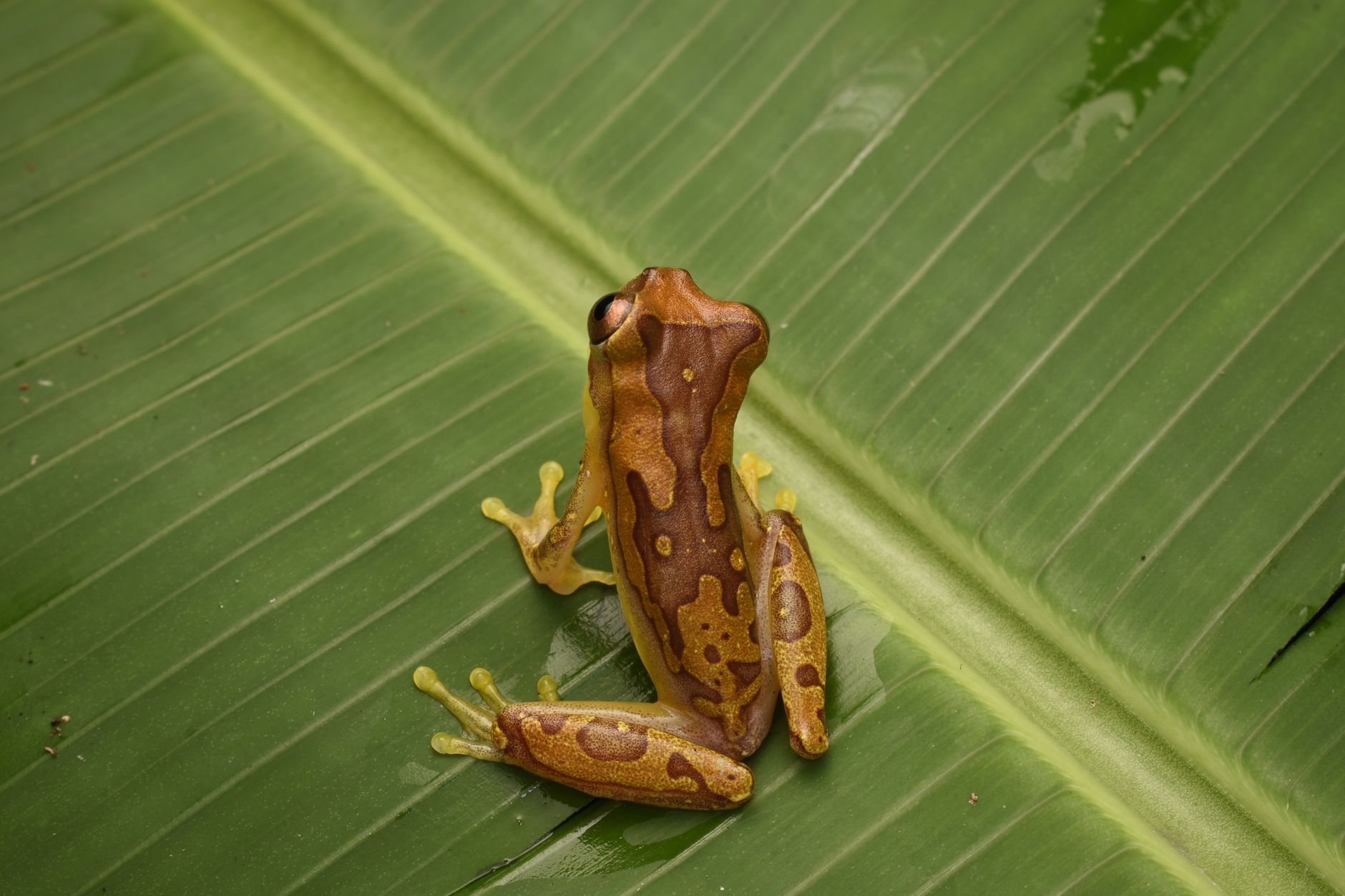
U.S. Research Team's Rainforest Discovery Opens New Funding Opportunities for Biodiversity Science
💡 The discovery creates new funding streams for biodiversity research, including federal grants, private conservation funding, and commercial bioprospecting opportunities that benefit American researchers and institutions.
American scientists leading a Congo expedition have discovered a new monkey species, creating fresh opportunities for U.S. research funding, conservation grants, and scientific career development in biodiversity studies.
## Major Biodiversity Breakthrough Led by U.S. Researchers
A team of American scientists has made a significant biological discovery in the Democratic Republic of Congo, identifying a previously unknown species of monkey deep within the rainforest. This breakthrough highlights growing opportunities for U.S. researchers and institutions in the field of biodiversity science.
### Research and Funding Implications
The discovery underscores several key opportunities for American stakeholders:
- **Federal Research Grants**: Increased potential for NSF and NIH funding for tropical biodiversity studies - **Conservation Partnerships**: New avenues for U.S.-Africa conservation collaborations - **Academic Programs**: Enhanced opportunities for American students in field biology and primatology - **Private Sector Investment**: Growing interest from pharmaceutical and biotech companies in undiscovered species
### Career Development Pathways
This discovery creates multiple career pathways for U.S. scientists: - Field research positions in international conservation - Grant writing and research administration roles - Academic positions specializing in tropical ecology - Private sector opportunities in biodiversity assessment
The team's success demonstrates how U.S. leadership in global scientific exploration continues to yield both scientific advancement and economic opportunity.
Based on reporting from npr-business.
Read the full story
Original reporting and related coverage — attribution links only, not paid recommendations.
Trade this story
 Robinhood
 Webull
 Tradier
 IBKR
IBKR
Broker buttons use invite / refer-a-friend links (rewards may be capped). Other partner links may pay OppHub America a commission at no extra cost to you.
OppSHOP
Full OppSHOP →Curated tools and reads — shopping here helps keep OppHub America free.
Story playbook
A pre-built map of what to watch — stocks, ETFs, and educational next steps. Not personalized advice.
Snapshot date: July 25, 2026 at 1:51 AM EDT
This playbook was built when the story published and is not live-updated. Prices, news, and risk can change after this date — treat it as a starting map, not a current trade ticket.
Story → money map
Biodiversity and Life Sciences Research
American scientists found a brand-new monkey species in the rainforest, which usually brings in more grant money and private donations for science research. Investors watch these events because companies looking for new medicines or universities studying nature often see increased funding and interest.
What changed
A high-profile rainforest discovery by U.S. scientists has drawn renewed attention and potential funding to biodiversity research and biotech prospecting.
Who wins / who loses
Academic institutions, biotech firms, and conservation groups benefit from increased funding visibility, while broad market sectors remain largely unaffected by niche scientific finds.
Time horizon
Think in terms of the next few months.
Confidence & best fit
low confidence · Long-term investor
Low confidence → prefer ETFs and “Watch,” not rushing into one stock.
Safer theme exposure (ETFs)
Baskets that own the theme without betting on one company.
Single stocks (higher risk)
Primary = closest to the story · Peers = same industry · Second-order = knock-on effects · Avoid = looks related but may be a trap
Primary
- $XBIWatch — track, don’t rush
An ETF holding many biotech companies that might benefit from new natural discoveries.
View $XBI chart → · End-of-day delayed data
Second-order
- $IWMWatch — track, don’t rush
A basket of smaller companies, some of which do specialized research and science work.
View $IWM chart → · End-of-day delayed data
Options (education only)
No strikes or expiries — a framework for how traders might express the view. Options can expire worthless.
Beginners should skip options here entirely as this news has very little direct impact on stock prices.
See options-friendly brokers →Income / OppHub America angle
Not a trade tip — ways to use the insight outside the market.
- Apply for academic research grants or specialized science writing roles related to conservation.
What would break this thesis
- Lack of follow-on federal funding or absence of commercial bioprospecting contracts.
What to do next on OppHub America
Saved playbooks stay on this device for now.
Important
Not financial advice. OppHub America playbooks are educational market maps only — not recommendations to buy, sell, or hold any security. Markets move fast; information can be wrong or outdated. Trade and invest at your own risk. Do your own research or consult a licensed advisor.