Barry, OppHub America Desk · · Source: oilprice-main
US Nuclear Labs Turn to Advanced Materials to Close China Lead
Tariffs, tax, energy, and deregulation influence capital flows across heavy industry and energy infrastructure, though no specific equities are designated as direct beneficiaries in current research releases.
Based on reporting from oilprice-main.
United States federal laboratories are accelerating the development of advanced metal alloys and artificial intelligence screening tools to counter China's expanding nuclear energy advantage through 2035. According to reports from the Financial Times and research from the Department of Energy, next-generation material breakthroughs aim to drastically shorten reactor build times and close the deployment gap.
Market context for this story
As of: WeekendLoading quotes…
Informational only — not investment advice. Full markets →

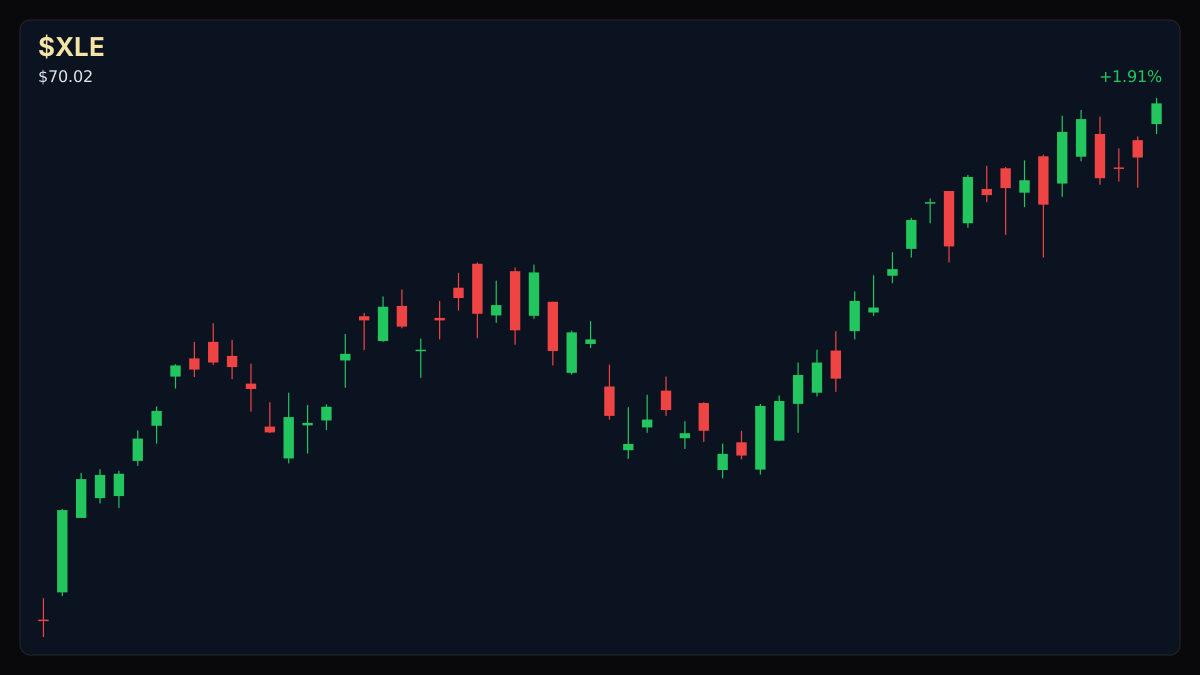
$XLEEnergy Select Sector
TradingView
Live chart & market data via TradingView · OppHub classroom · Delayed or exchange real-time per TradingView data agreements · Not investment advice
Educational TradingView chart — search any symbol in the widget. Confirm on /markets/XLE. Not investment advice.
Related markets
Shares a vertical MP4 loop to your phone's camera roll or app share sheet (Instagram, TikTok, Facebook Reels).
### Tape / Session Read The United States is racing to reestablish itself as a frontrunner in the global nuclear energy sector as China continues to outspend American infrastructure development. According to reports cited from Gavekal Technologies, China's nuclear sector is younger, growing faster, and capable of constructing new plants in approximately six years compared to over a decade for recent U.S. projects like the Vogtle reactors.
### Why This Lane Matters Federal initiatives under successive administrations have targeted funding toward next-generation nuclear technology to maintain global competitiveness. Laboratories within the Department of Energy, including the Pacific Northwest National Laboratory (PNNL), have introduced robust alloy design (RAD) processes to screen and optimize materials capable of withstanding extreme stresses up to 600 megapascals at room temperature.
### Related Names Researchers are increasingly integrating artificial intelligence to accelerate discovery timelines, paralleling AI-driven alloy developments at University of Toronto Engineering designed for extreme operational environments.
Read the full story
Original reporting and related coverage — attribution links only, not paid recommendations.
Trade this story
 Robinhood
 Webull
 Tradier
 IBKR
Chart this story
 TradingView
Broker and exchange buttons use invite / refer-a-friend links (rewards may be capped). Charting links (TradingView) are partner offers that may pay OppHub America a commission at no extra cost to you.
OppSHOP
Full OppSHOP →As an Amazon Associate, OppHub America earns from qualifying purchases. Shopping here helps keep the site free — at no extra cost to you. Disclosure

OppSHOP
Related to this story
Tariffs, tax, energy, and deregulation influence capital flows across he
Shop related →

Investing books
Read the classics
Shop this pick →

Personal finance books
Run the household books
Shop this pick →

Trading notebooks
Write the thesis first
Shop this pick →
Monitor for charts
See every pane
Shop this pick →
Story playbook
A pre-built map of what to watch — stocks, ETFs, and educational next steps. Not personalized advice.
Snapshot date: November 1, 2026 at 6:01 PM ET
This playbook was built when the story published and is not live-updated. Prices, news, and risk can change after this date — treat it as a starting map, not a current trade ticket.
Story → money map
nuclear energy infrastructure
The U.S. government is rushing to build better materials and use AI to catch up to China in nuclear energy speed. This push means more money and attention will likely flow into nuclear energy companies and industrial suppliers.
What changed
U.S. federal laboratories accelerated advanced alloy and AI screening initiatives to combat China's nuclear infrastructure lead.
Who wins / who loses
Domestic nuclear infrastructure suppliers and uranium producers stand to gain from catch-up funding, while slower traditional heavy construction faces competitive pressure.
Time horizon
Think in terms of the next few months.
Confidence & best fit
low confidence · Long-term investor
Low confidence → prefer ETFs and “Watch,” not rushing into one stock.
Safer theme exposure (ETFs)
Baskets that own the theme without betting on one company.
- $URA — A fund that holds a mix of companies involved in nuclear energy and uranium.
- $NLR — An ETF that tracks companies operating nuclear reactors and supporting infrastructure.
Single stocks (higher risk)
Primary = closest to the story · Peers = same industry · Second-order = knock-on effects · Avoid = looks related but may be a trap
Primary
- $CCJWatch — track, don’t rush
A major supplier of uranium needed to power nuclear reactors.
View $CCJ chart → · End-of-day delayed data
Peer
- $CEGWatch — track, don’t rush
A leading energy company that operates nuclear power plants.
View $CEG chart → · End-of-day delayed data
Second-order
- $BWXTWatch — track, don’t rush
A manufacturer that builds specialized parts for nuclear reactors.
View $BWXT chart → · End-of-day delayed data
Options (education only)
No strikes or expiries — a framework for how traders might express the view. Options can expire worthless.
Beginners should skip options here because the news is about long-term research rather than immediate corporate earnings.
See options-friendly brokers →Income / OppHub America angle
Not a trade tip — ways to use the insight outside the market.
- Look into regional vocational or engineering programs specializing in advanced materials and nuclear safety.
What would break this thesis
- Cuts to Department of Energy research budgets or significant delays in U.S. reactor permitting reform.
What to do next on OppHub America
Saved playbooks stay on this device for now.
Important
Not financial advice. OppHub America playbooks are educational market maps only — not recommendations to buy, sell, or hold any security. Markets move fast; information can be wrong or outdated. Trade and invest at your own risk. Do your own research or consult a licensed advisor.
Based on reporting from oilprice-main.
Informational and educational only — not investment, financial, or legal advice. Disclosure
Shares a vertical MP4 loop to your phone's camera roll or app share sheet (Instagram, TikTok, Facebook Reels).